Left side scores higher due to the exceptional scenic value of the Manhattan departure—one of the world's most iconic urban skylines visible during takeoff—combined with the full transatlantic cruise phase. Although the right side offers a strong landing experience with the Acropolis and Saronic Gulf, the left side's dramatic NYC departure and the variety of Atlantic features (Greenland coast, Iceland, British Isles, and continental European coastlines during cruise) provide greater overall scenic diversity and landmark density across the full 9-hour flight.
Flight Path
Greenland's southeastern coast and glacial fjords (visible during cruise at high altitude), Iceland's volcanic plateau and coastline, the Atlantic ridge and deep ocean basin, the British Isles and English Channel, the Alps and Mediterranean coastline approaching Greece, the Ionian Sea, and the Greek mainland with Mount Parnassus visible inland from the approach corridor
Great circle distance and headings ›.jpeg?width=600)
.jpg?width=600)

_Panoramica_del_centro_della_citt%C3%A0_dal_lago.jpg?width=600)


Phase by phase
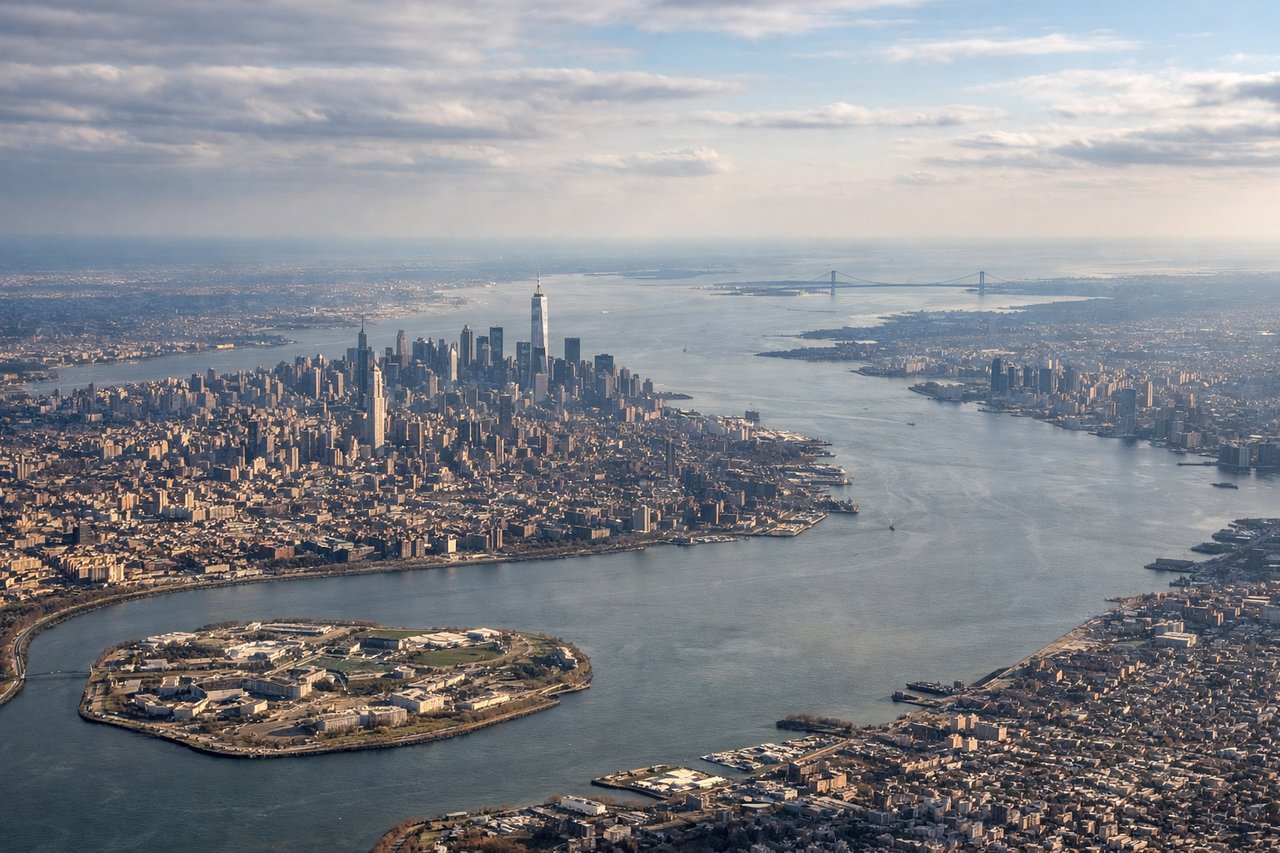
Takeoff from LGA
LEFTLeft side captures the Manhattan skyline and East River during initial climb-out on runway 22 (northeast heading), with the iconic urban landscape of lower Manhattan, Brooklyn, and Queens visible before the aircraft turns eastbound over the Atlantic.
Landing at ATH
RIGHTRight side offers superior views during the approach to Athens. Aircraft typically descend on runway 03L (heading northeast), which brings the right side toward the Saronic Gulf, the Athenian coastline, and the Acropolis and city center visible during the final approach and landing.
Landmarks on this routeAll landmarks →
Will your flight be in sunlight?
See exactly which side of the plane gets sun and shade at your departure time.
About This Route
Which side of the plane should I sit on flying from La Guardia (LGA) to Athens International Eleftherios Venizelos (ATH)?
Sit on the Left side of the plane for the best views on flights from New York to Athens. Left side scores higher due to the exceptional scenic value of the Manhattan departure—one of the world's most iconic urban skylines visible during takeoff—combined with the full transatlantic cruise phase. Although the right side offers a strong landing experience with the Acropolis and Saronic Gulf, the left side's dramatic NYC departure and the variety of Atlantic features (Greenland coast, Iceland, British Isles, and continental European coastlines during cruise) provide greater overall scenic diversity and landmark density across the full 9-hour flight.
What can I see during takeoff from La Guardia in New York?
During takeoff from La Guardia (LGA), sit on the Left side for the best views. Left side captures the Manhattan skyline and East River during initial climb-out on runway 22 (northeast heading), with the iconic urban landscape of lower Manhattan, Brooklyn, and Queens visible before the aircraft turns eastbound over the Atlantic. Notable sights include: Manhattan skyline (Empire State Building, One World Trade Center visible in the cluster), East River, Brooklyn Bridge area, Jamaica Bay marshlands.
What can I see when landing at Athens International Eleftherios Venizelos in Athens?
When landing at Athens International Eleftherios Venizelos (ATH), sit on the Right side for the best views. Right side offers superior views during the approach to Athens. Aircraft typically descend on runway 03L (heading northeast), which brings the right side toward the Saronic Gulf, the Athenian coastline, and the Acropolis and city center visible during the final approach and landing. Notable sights include: Saronic Gulf coastline, Athenian urban sprawl and the Acropolis area, Mount Hymettus to the east, Aegean Sea horizon.
How long is the flight from New York to Athens?
The flight from La Guardia (LGA) to Athens International Eleftherios Venizelos (ATH) takes 9h 15m.
What does the New York to Athens flight path pass over?
Greenland's southeastern coast and glacial fjords (visible during cruise at high altitude), Iceland's volcanic plateau and coastline, the Atlantic ridge and deep ocean basin, the British Isles and English Channel, the Alps and Mediterranean coastline approaching Greece, the Ionian Sea, and the Greek mainland with Mount Parnassus visible inland from the approach corridor