Left side wins both ends of the flight. The Manhattan departure view is iconic, and the Lake Ontario and CN Tower approach into Toronto is equally rewarding. The left side also tracks closer to Lake Ontario during the cruise portion of the flight.
Flown LGA to YYZ? Did we get it right?
Flight Path
New York to Toronto is 356 miles (573 km), a flight of about 1 hour 25 minutes.
The flight crosses the Catskill Mountains in upstate New York, then tracks over the Finger Lakes region — Cayuga and Seneca Lakes are visible as long narrow water bodies oriented north-south. The flight then crosses Lake Ontario's eastern end near Rochester before turning toward Toronto. The southern Ontario farmland grid is visible on descent.
Great circle distance and headings ›


Phase by phase
Takeoff from LGA
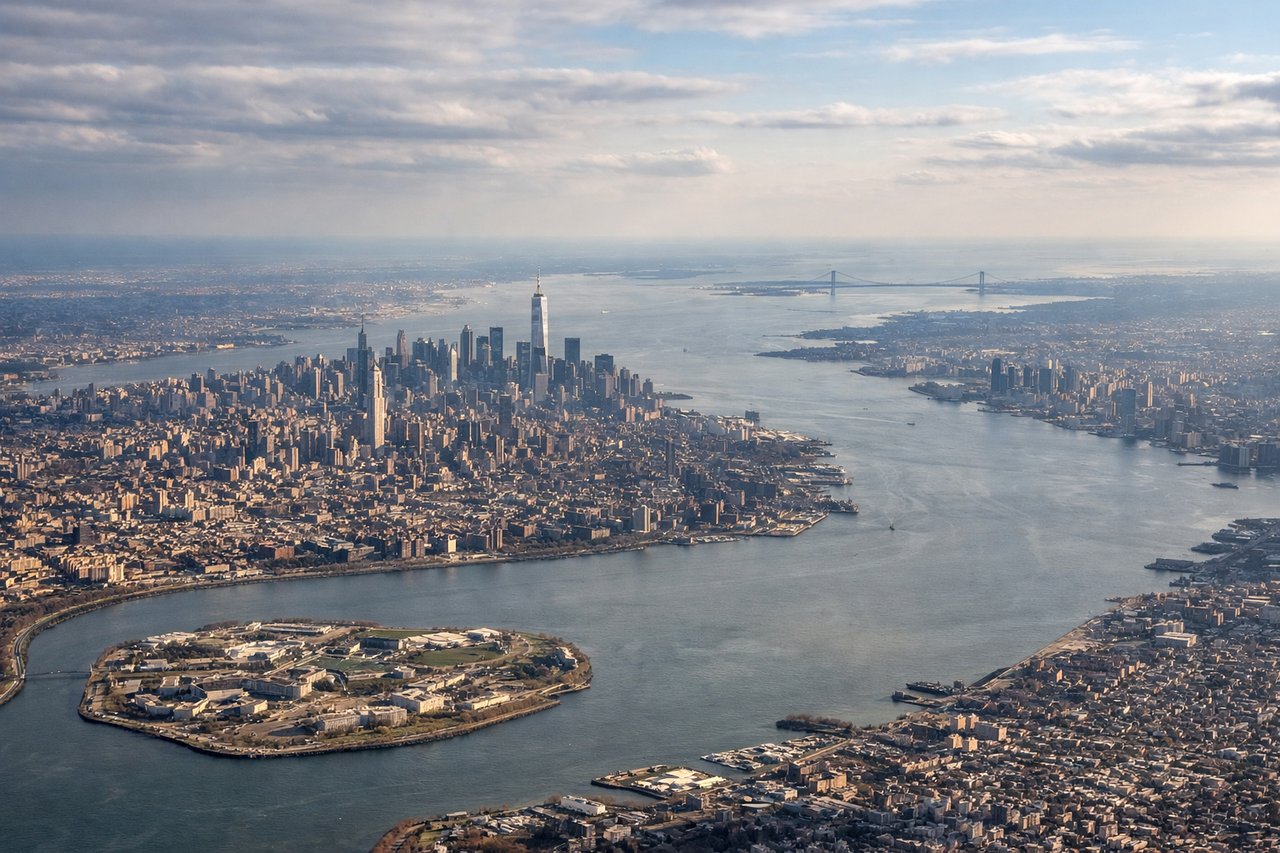
LEFTLGA typically departs northwest on runway 31, putting Manhattan and the East River directly on the left side. You get a clear view of Midtown and the Hudson River as the aircraft climbs out over Queens and the Bronx.
Landing at YYZ
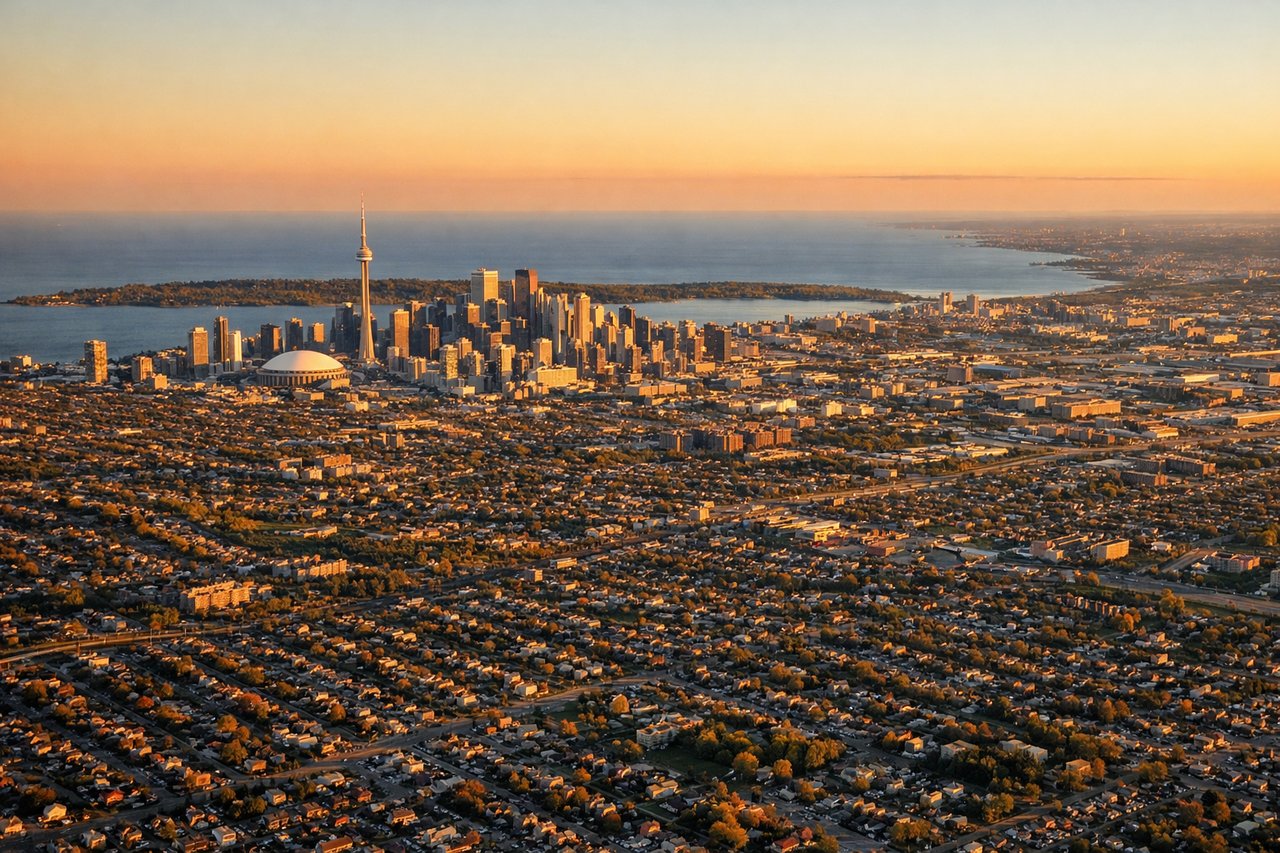
LEFTYYZ typically lands from the east on runway 23 or from the northeast on runway 33, and either approach puts Lake Ontario and the Toronto waterfront on the left side. The downtown core and CN Tower are clearly visible on the left during final approach.
Will your flight be in sunlight?
Pick a date and time in the Sun Map to watch the sun move across your whole flight.
About This Route
Which side of the plane should I sit on flying from La Guardia (LGA) to Lester B Pearson International (YYZ)?
Sit on the Left side of the plane for the best views on flights from New York to Toronto. Left side wins both ends of the flight. The Manhattan departure view is iconic, and the Lake Ontario and CN Tower approach into Toronto is equally rewarding. The left side also tracks closer to Lake Ontario during the cruise portion of the flight.
What can I see during takeoff from La Guardia in New York?
During takeoff from La Guardia (LGA), sit on the Left side for the best views. LGA typically departs northwest on runway 31, putting Manhattan and the East River directly on the left side. You get a clear view of Midtown and the Hudson River as the aircraft climbs out over Queens and the Bronx. Notable sights include: Manhattan skyline, East River, Hudson River, Flushing Bay.
What can I see when landing at Lester B Pearson International in Toronto?
When landing at Lester B Pearson International (YYZ), sit on the Left side for the best views. YYZ typically lands from the east on runway 23 or from the northeast on runway 33, and either approach puts Lake Ontario and the Toronto waterfront on the left side. The downtown core and CN Tower are clearly visible on the left during final approach. Notable sights include: Lake Ontario, CN Tower and Toronto downtown core, Toronto Islands, Humber Bay.
How long is the flight from New York to Toronto?
The flight from La Guardia (LGA) to Lester B Pearson International (YYZ) takes about 1 hour 25 minutes. The shortest flight path between them is 356 miles (573 km); winds and air traffic control usually add a few percent.
What does the New York to Toronto flight path pass over?
The flight crosses the Catskill Mountains in upstate New York, then tracks over the Finger Lakes region — Cayuga and Seneca Lakes are visible as long narrow water bodies oriented north-south. The flight then crosses Lake Ontario's eastern end near Rochester before turning toward Toronto. The southern Ontario farmland grid is visible on descent.