The left side wins mainly on the strength of the Langkawi karst departure, which is genuinely scenic, while the cruise and landing phases are largely flat and unremarkable on both sides. The right side offers little beyond open Bay of Bengal water and featureless plateau.
Flight Path
Andaman Sea, Bay of Bengal open water, southern Indian coastline near the Coromandel Coast, Eastern Ghats foothills, Deccan plateau farmland
Great circle distance and headings ›Phase by phase
Takeoff from LGK
LEFTDeparting Langkawi, the aircraft typically climbs out and banks to put the island's dramatic limestone karst peaks and the scattered Andaman Sea islands on the left side of the cabin. This is the most visually striking part of the whole flight, since the rest of the route is largely open water and flat plateau.
Landing at BLR
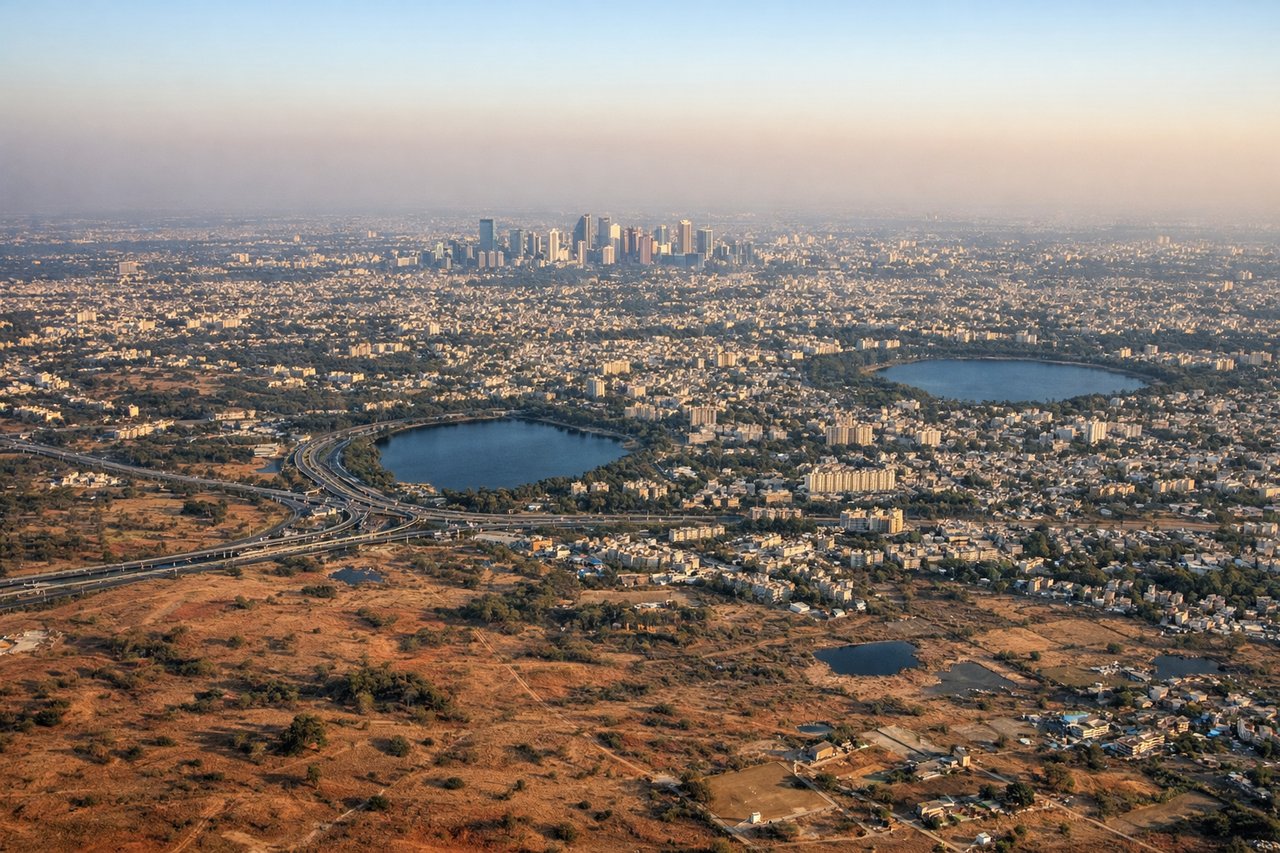
LEFTOn approach into Bangalore, arrivals from the east typically fly a base leg that brings the southern Deccan plateau's rolling terrain and scattered reservoirs into view on the left before the final turn to the runway. It's not dramatic, but it's the only real terrain variation in an otherwise flat approach corridor.
Landmarks on this routeAll landmarks →
Will your flight be in sunlight?
See exactly which side of the plane gets sun and shade at your departure time.
About This Route
Which side of the plane should I sit on flying from Langkawi International (LGK) to Kempegowda International Airport Bengaluru (BLR)?
Sit on the Left side of the plane for the best views on flights from Pulau to Bangalore. The left side wins mainly on the strength of the Langkawi karst departure, which is genuinely scenic, while the cruise and landing phases are largely flat and unremarkable on both sides. The right side offers little beyond open Bay of Bengal water and featureless plateau.
What can I see during takeoff from Langkawi International in Pulau?
During takeoff from Langkawi International (LGK), sit on the Left side for the best views. Departing Langkawi, the aircraft typically climbs out and banks to put the island's dramatic limestone karst peaks and the scattered Andaman Sea islands on the left side of the cabin. This is the most visually striking part of the whole flight, since the rest of the route is largely open water and flat plateau. Notable sights include: Langkawi's karst limestone hills, Pulau Langkawi coastline, scattered Andaman Sea islands, Kilim Geoforest mangrove inlets.
What can I see when landing at Kempegowda International Airport Bengaluru in Bangalore?
When landing at Kempegowda International Airport Bengaluru (BLR), sit on the Left side for the best views. On approach into Bangalore, arrivals from the east typically fly a base leg that brings the southern Deccan plateau's rolling terrain and scattered reservoirs into view on the left before the final turn to the runway. It's not dramatic, but it's the only real terrain variation in an otherwise flat approach corridor. Notable sights include: Deccan plateau farmland mosaic, small reservoirs and tanks south of Bangalore, distant rocky outcrops, outer Bangalore suburbs.
How long is the flight from Pulau to Bangalore?
The flight from Langkawi International (LGK) to Kempegowda International Airport Bengaluru (BLR) takes 3h 45m.
What does the Pulau to Bangalore flight path pass over?
Andaman Sea, Bay of Bengal open water, southern Indian coastline near the Coromandel Coast, Eastern Ghats foothills, Deccan plateau farmland