London to Belfast is 349 miles (562 km), a flight of about 1 hour 15 minutes.
While takeoff offers decent views of the Thames and North Downs, the landing approach into Belfast provides superior scenery: Lough Neagh is a genuinely striking landmark, and the drumlin landscape with the Antrim Plateau creates more dramatic and distinctive terrain than the relatively flat approach from London.
Flight Path
The flight path crosses the Irish Sea northwest from England. Notable features include the Welsh coast (Snowdonia mountains visible to the left/west during the crossing if conditions permit), the Irish Sea itself, and the transition into the drumlin belt of Northern Ireland. The Mourne Mountains may be visible to the south as you approach the Irish coast, and Strangford Lough appears as you descend toward Belfast.
Great circle distance and headings ›Phase by phase
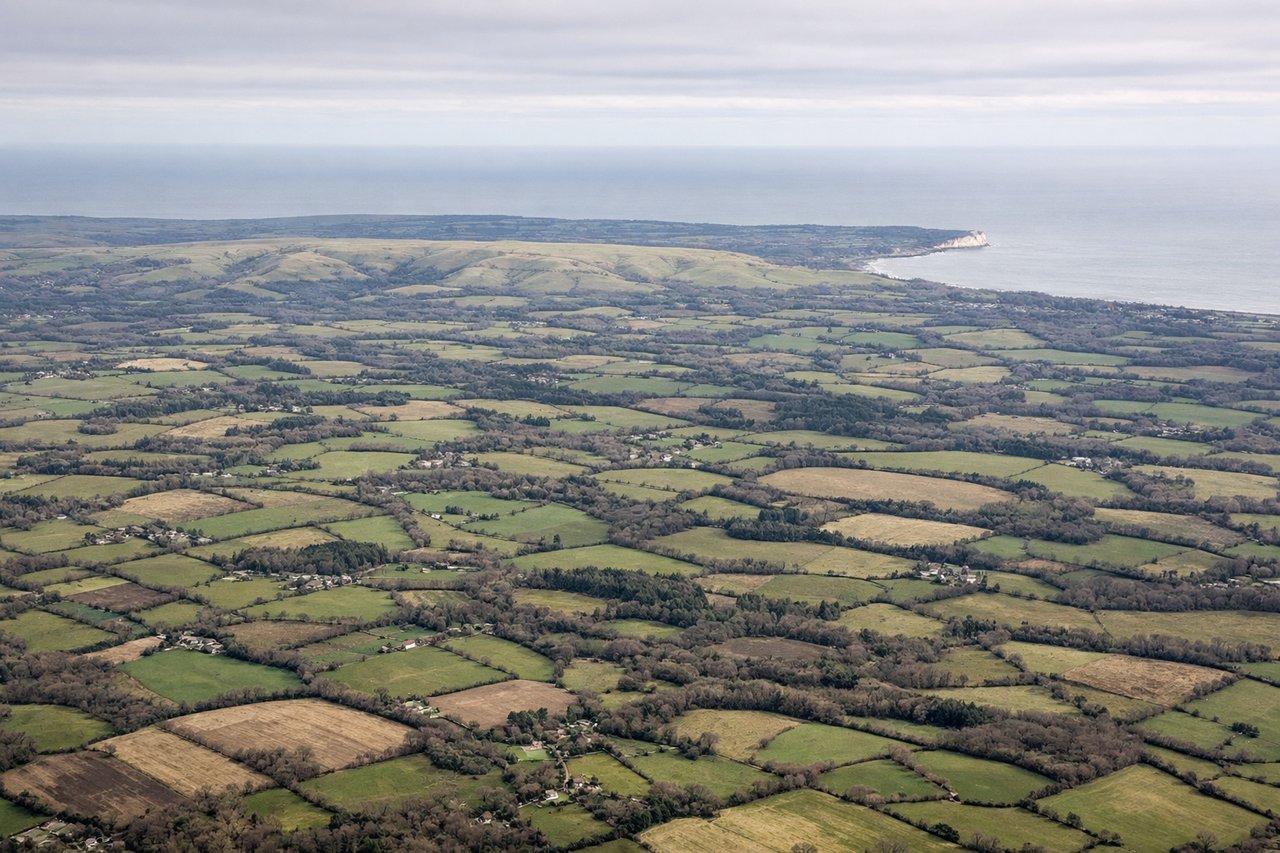
Takeoff from LGW
RIGHTRight-side seats offer views of London's urban sprawl and the Thames valley as you climb northwest from Gatwick. You'll see the patchwork of Greater London suburbs, then the North Downs ridge receding beneath you.
Landing at BFS
LEFTLeft-side seats provide excellent views during the descent into Belfast. You'll see the Lough Neagh (largest freshwater lake in the British Isles) and the surrounding drumlin landscape, then the Antrim Plateau's basalt cliffs as you approach from the southeast.
Landmarks on this routeAll landmarks →
Will your flight be in sunlight?
Pick a date and time in the Sun Map to watch the sun move across your whole flight.
About This Route
Which side of the plane should I sit on flying from Gatwick (LGW) to Aldergrove (BFS)?
Sit on the Left side of the plane for the best views on flights from London to Belfast. While takeoff offers decent views of the Thames and North Downs, the landing approach into Belfast provides superior scenery: Lough Neagh is a genuinely striking landmark, and the drumlin landscape with the Antrim Plateau creates more dramatic and distinctive terrain than the relatively flat approach from London.
What can I see during takeoff from Gatwick in London?
During takeoff from Gatwick (LGW), sit on the Right side for the best views. Right-side seats offer views of London's urban sprawl and the Thames valley as you climb northwest from Gatwick. You'll see the patchwork of Greater London suburbs, then the North Downs ridge receding beneath you. Notable sights include: Thames valley and meanders, North Downs escarpment, Greater London urban grid, Surrey/Sussex countryside.
What can I see when landing at Aldergrove in Belfast?
When landing at Aldergrove (BFS), sit on the Left side for the best views. Left-side seats provide excellent views during the descent into Belfast. You'll see the Lough Neagh (largest freshwater lake in the British Isles) and the surrounding drumlin landscape, then the Antrim Plateau's basalt cliffs as you approach from the southeast. Notable sights include: Lough Neagh, Antrim Plateau and basalt escarpment, Lagan valley, Belfast city and harbor.
How long is the flight from London to Belfast?
The flight from Gatwick (LGW) to Aldergrove (BFS) takes about 1 hour 15 minutes. The shortest flight path between them is 349 miles (562 km); winds and air traffic control usually add a few percent.
What does the London to Belfast flight path pass over?
The flight path crosses the Irish Sea northwest from England. Notable features include the Welsh coast (Snowdonia mountains visible to the left/west during the crossing if conditions permit), the Irish Sea itself, and the transition into the drumlin belt of Northern Ireland. The Mourne Mountains may be visible to the south as you approach the Irish coast, and Strangford Lough appears as you descend toward Belfast.