The left side wins overall because while right is better at Gatwick departure, the left side captures the most dramatic sustained geography mid-flight: crossing the Nile Valley in Sudan, the Ethiopian Highlands on the distant horizon, and the spectacular final descent over Lake Victoria into Entebbe. The lake approach alone is worth the seat.
Flight Path
The route tracks southeast over France and the Alps (faintly visible on the left in early cruise), then across the Mediterranean near Sicily, over Egypt and the Nile Delta, down the Nile Valley through Sudan where the river is clearly visible as a green ribbon through desert, crossing into South Sudan's vast flat savanna and swamp of the Sudd, then over northern Uganda before descending to Lake Victoria. The Nile is the single most dramatic recurring feature, visible for hundreds of miles.
Great circle distance and headings ›.jpeg?width=600)
.jpg?width=600)


Phase by phase
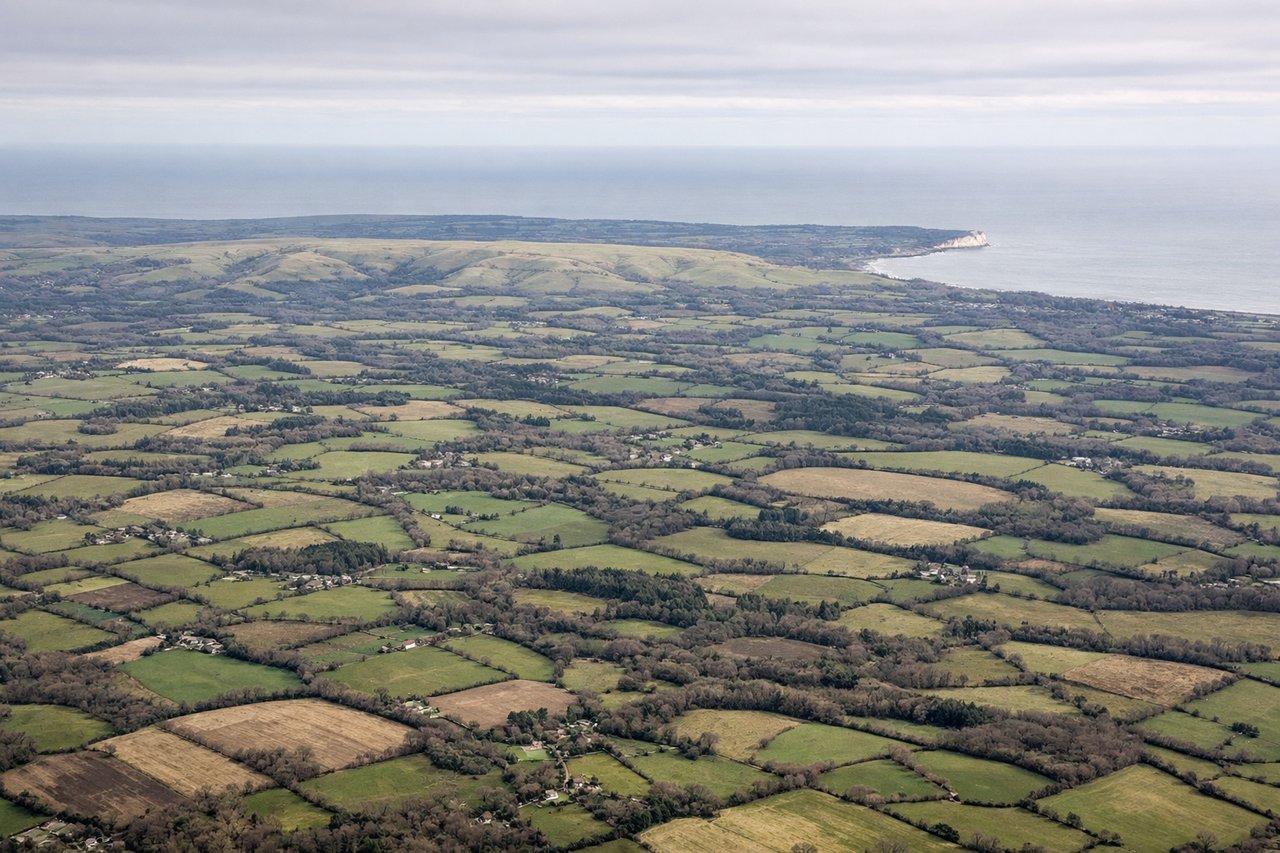
Takeoff from LGW
RIGHTGatwick's main runway 08L/26R means westbound departures head roughly east before turning south. Departing toward the southeast on the typical southerly routing, the right side gives views over the Surrey Hills and the Weald. Left side faces north toward Greater London but quickly becomes suburban sprawl.
Landing at EBB
LEFTEntebbe's runway 17/35 means approaches from the north come in heading south over Lake Victoria. On a northerly approach, the left side faces east over the open water of Lake Victoria and gives a clear view of the lake's vast expanse and the Entebbe Peninsula. The right side faces west over land but the lake view is the dominant feature here.
Landmarks on this routeAll landmarks →
Will your flight be in sunlight?
See exactly which side of the plane gets sun and shade at your departure time.
About This Route
Which side of the plane should I sit on flying from Gatwick (LGW) to Entebbe International (EBB)?
Sit on the Left side of the plane for the best views on flights from London to Entebbe. The left side wins overall because while right is better at Gatwick departure, the left side captures the most dramatic sustained geography mid-flight: crossing the Nile Valley in Sudan, the Ethiopian Highlands on the distant horizon, and the spectacular final descent over Lake Victoria into Entebbe. The lake approach alone is worth the seat.
What can I see during takeoff from Gatwick in London?
During takeoff from Gatwick (LGW), sit on the Right side for the best views. Gatwick's main runway 08L/26R means westbound departures head roughly east before turning south. Departing toward the southeast on the typical southerly routing, the right side gives views over the Surrey Hills and the Weald. Left side faces north toward Greater London but quickly becomes suburban sprawl. Notable sights include: Surrey Hills AONB, Ashdown Forest, the English Channel coast near Eastbourne, the South Downs ridge.
What can I see when landing at Entebbe International in Entebbe?
When landing at Entebbe International (EBB), sit on the Left side for the best views. Entebbe's runway 17/35 means approaches from the north come in heading south over Lake Victoria. On a northerly approach, the left side faces east over the open water of Lake Victoria and gives a clear view of the lake's vast expanse and the Entebbe Peninsula. The right side faces west over land but the lake view is the dominant feature here. Notable sights include: Lake Victoria open water, Entebbe Peninsula, the forested shores of the Ssese Islands archipelago in the distance, Kampala city on the northern lakeshore horizon.
How long is the flight from London to Entebbe?
The flight from Gatwick (LGW) to Entebbe International (EBB) takes Approximately 8 hours 30 minutes to 9 hours.
What does the London to Entebbe flight path pass over?
The route tracks southeast over France and the Alps (faintly visible on the left in early cruise), then across the Mediterranean near Sicily, over Egypt and the Nile Delta, down the Nile Valley through Sudan where the river is clearly visible as a green ribbon through desert, crossing into South Sudan's vast flat savanna and swamp of the Sudd, then over northern Uganda before descending to Lake Victoria. The Nile is the single most dramatic recurring feature, visible for hundreds of miles.