While takeoff offers Thames estuary views, the landing approach provides more dramatic and distinctive scenery—Guernsey's rocky granite coastline and the cluster of Channel Islands are visually striking and unique to this route. The left side captures these features best.
Flight Path
The flight path crosses the English Channel directly south from the Sussex coast. At midpoint, you'll be over open water with no major landmarks visible—the Isle of Wight passes to the east (left), and the Dorset coast remains distant to the west (right). The Channel itself is the dominant feature, appearing as open blue water with occasional shipping traffic visible as small white dots.
Great circle distance and headings ›.jpeg?width=600)

Phase by phase
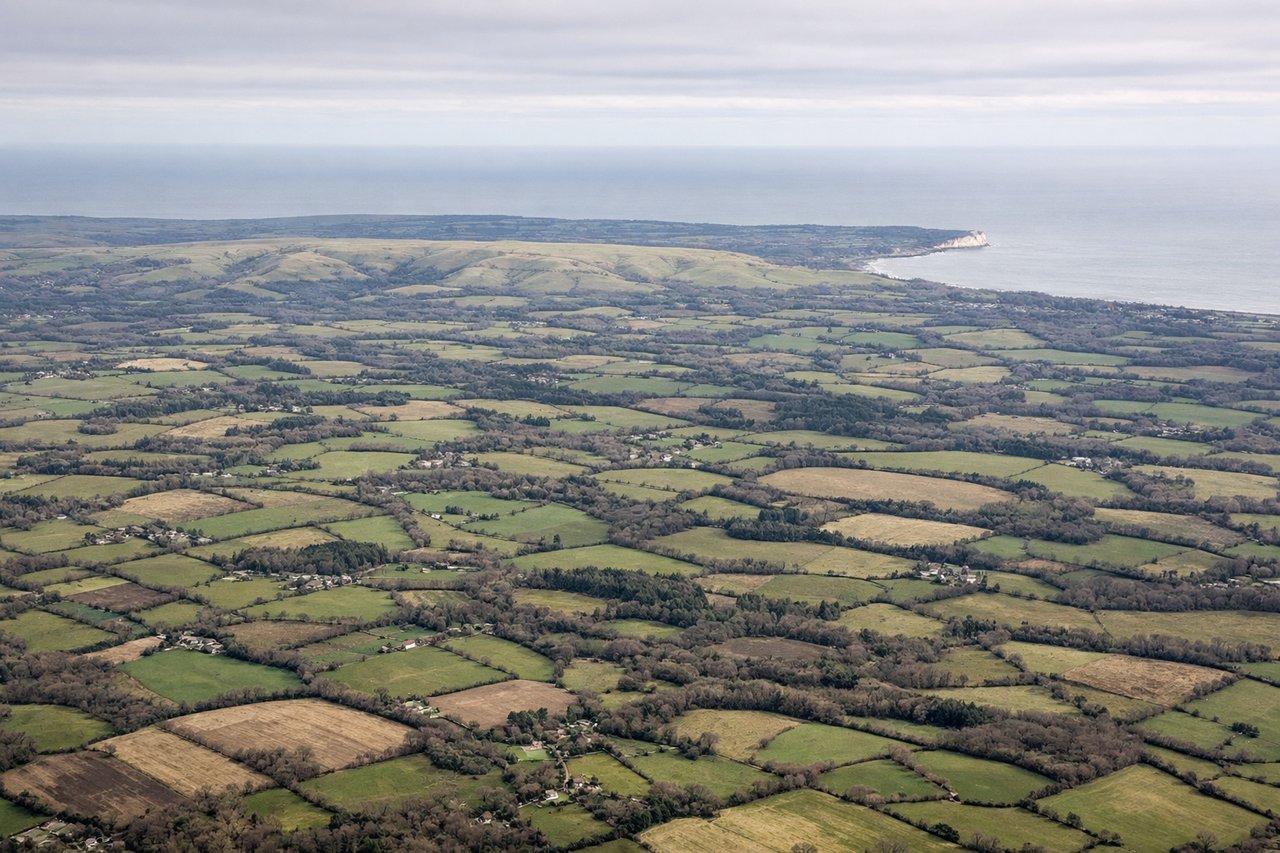
Takeoff from LGW
RIGHTRight-side seats capture the Thames estuary and Kent coastline as you climb southwestward from Gatwick. You'll see the river's distinctive meanders and the North Downs ridge running east-west across the landscape.
Landing at GCI
LEFTLeft-side seats offer the best approach views of Guernsey's rocky coastline, the smaller Channel Islands (Alderney and Sark visible to the north), and the distinctive granite cliffs as you descend toward the island.
Landmarks on this routeAll landmarks →
Will your flight be in sunlight?
See exactly which side of the plane gets sun and shade at your departure time.
About This Route
Which side of the plane should I sit on flying from Gatwick (LGW) to Guernsey (GCI)?
Sit on the Left side of the plane for the best views on flights from London to Guernsey. While takeoff offers Thames estuary views, the landing approach provides more dramatic and distinctive scenery—Guernsey's rocky granite coastline and the cluster of Channel Islands are visually striking and unique to this route. The left side captures these features best.
What can I see during takeoff from Gatwick in London?
During takeoff from Gatwick (LGW), sit on the Right side for the best views. Right-side seats capture the Thames estuary and Kent coastline as you climb southwestward from Gatwick. You'll see the river's distinctive meanders and the North Downs ridge running east-west across the landscape. Notable sights include: Thames estuary with its winding channels, North Downs escarpment, Weald lowlands to the south, Brighton and the Sussex coast in the distance.
What can I see when landing at Guernsey in Guernsey?
When landing at Guernsey (GCI), sit on the Left side for the best views. Left-side seats offer the best approach views of Guernsey's rocky coastline, the smaller Channel Islands (Alderney and Sark visible to the north), and the distinctive granite cliffs as you descend toward the island. Notable sights include: Guernsey's granite cliffs and rocky southern coast, Alderney island to the north, Sark island to the northeast, the narrow waters of the Little Russel channel.
How long is the flight from London to Guernsey?
The flight from Gatwick (LGW) to Guernsey (GCI) takes Approximately 50-60 minutes.
What does the London to Guernsey flight path pass over?
The flight path crosses the English Channel directly south from the Sussex coast. At midpoint, you'll be over open water with no major landmarks visible—the Isle of Wight passes to the east (left), and the Dorset coast remains distant to the west (right). The Channel itself is the dominant feature, appearing as open blue water with occasional shipping traffic visible as small white dots.