The right side strings together the route's best features: a glimpse of London on departure, the French/Swiss Alps near Mont Blanc during cruise, and the dramatic Taygetos mountains and Messinian Gulf on the approach into Kalamata. The left side offers comparatively flat French countryside and the less striking Arcadian interior of the Peloponnese.
Flight Path
The flight path crosses the French Alps near Mont Blanc, then continues over northern Italy before crossing the Adriatic Sea between Italy and Albania, entering Greek airspace over the Pindus foothills before descending into the Peloponnese.
Great circle distance and headings ›.jpeg?width=600)


.jpg?width=600)

Phase by phase
Takeoff from LGW
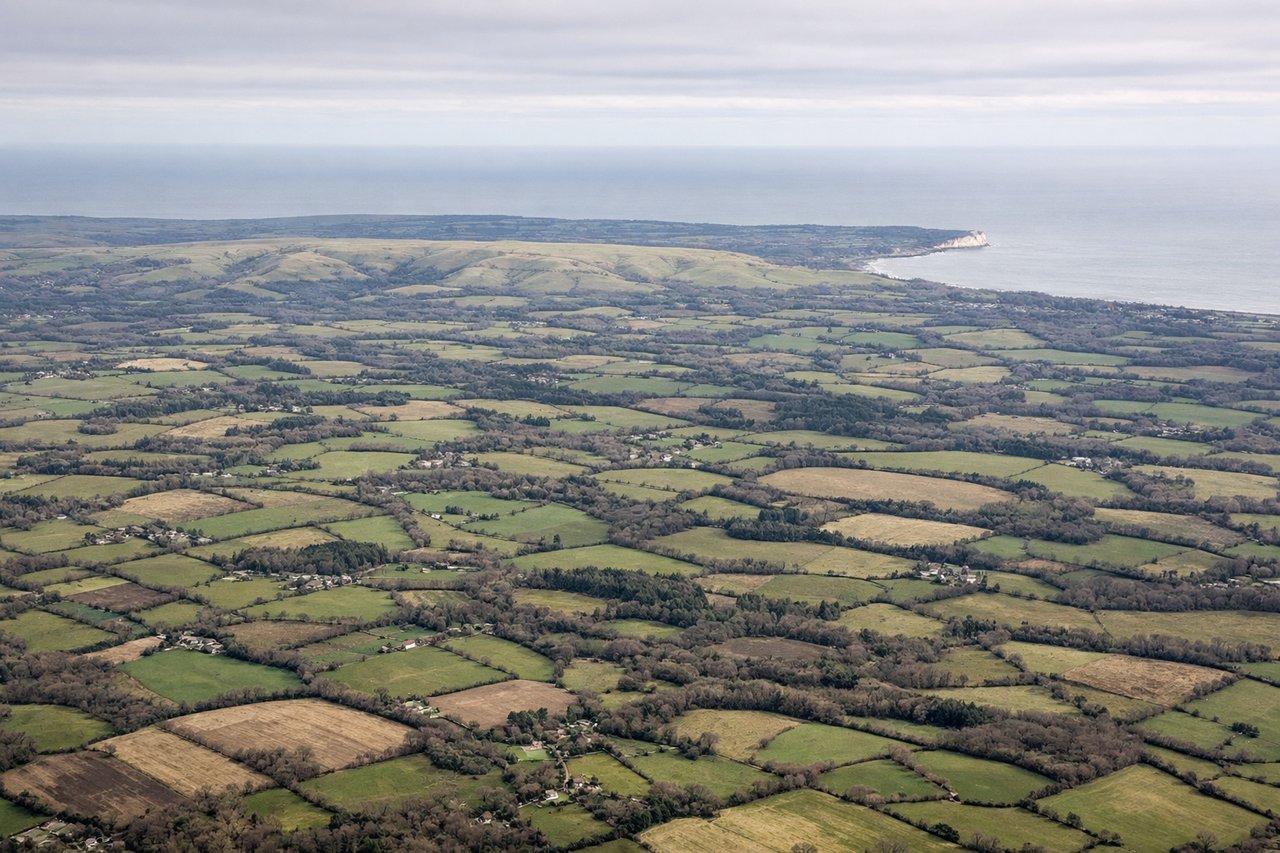
RIGHTGatwick typically departs on runway 26 (westbound) then banks left toward the southeast, which swings the right-hand windows briefly north across London's skyline before the aircraft settles onto its Channel-crossing heading. The left side mostly shows the quieter Sussex Weald and South Downs.
Landing at KLX
RIGHTOn the typical summer approach into Kalamata (runway 17, arriving from the north), the aircraft tracks down the Peloponnese with the steep Taygetos mountain range and the Messinian Gulf coastline visible on the right, while the left side faces the less dramatic inland Arcadian hills.
Landmarks on this routeAll landmarks →
Will your flight be in sunlight?
See exactly which side of the plane gets sun and shade at your departure time.
About This Route
Which side of the plane should I sit on flying from Gatwick (LGW) to Kalamata (KLX)?
Sit on the Right side of the plane for the best views on flights from London to Kalamata. The right side strings together the route's best features: a glimpse of London on departure, the French/Swiss Alps near Mont Blanc during cruise, and the dramatic Taygetos mountains and Messinian Gulf on the approach into Kalamata. The left side offers comparatively flat French countryside and the less striking Arcadian interior of the Peloponnese.
What can I see during takeoff from Gatwick in London?
During takeoff from Gatwick (LGW), sit on the Right side for the best views. Gatwick typically departs on runway 26 (westbound) then banks left toward the southeast, which swings the right-hand windows briefly north across London's skyline before the aircraft settles onto its Channel-crossing heading. The left side mostly shows the quieter Sussex Weald and South Downs. Notable sights include: Canary Wharf and Docklands skyline, the Thames bend through London, the South Downs escarpment, Sussex countryside.
What can I see when landing at Kalamata in Kalamata?
When landing at Kalamata (KLX), sit on the Right side for the best views. On the typical summer approach into Kalamata (runway 17, arriving from the north), the aircraft tracks down the Peloponnese with the steep Taygetos mountain range and the Messinian Gulf coastline visible on the right, while the left side faces the less dramatic inland Arcadian hills. Notable sights include: Taygetos mountain range, Messinian Gulf coastline, Kalamata town and harbor, Peloponnese coastal plain.
How long is the flight from London to Kalamata?
The flight from Gatwick (LGW) to Kalamata (KLX) takes 3h 50m.
What does the London to Kalamata flight path pass over?
The flight path crosses the French Alps near Mont Blanc, then continues over northern Italy before crossing the Adriatic Sea between Italy and Albania, entering Greek airspace over the Pindus foothills before descending into the Peloponnese.