The right side scores higher due to the landing approach into Beijing, which offers dramatic urban density, the Yanshan Mountains as a scenic backdrop, and the architectural spectacle of Daxing Airport itself. The westbound departure from Gatwick is pleasant but brief; the 10+ hours of cruise over continental Europe, Russia, and Mongolia on both sides are relatively featureless at altitude. Right seats capture the more visually distinctive endpoints.
Flown LGW to PKX? Did we get it right?
Flight Path
London to Beijing is 5,100 miles (8,208 km), a flight of about 10 hours 35 minutes.
Alps (Swiss/French border, visible on clear days during early cruise), Carpathian Mountains (Romania), Black Sea coast (southern horizon on northbound routing), Caspian Sea (northern routing), Ural Mountains (distant, northern horizon), Kazakh steppe (vast, flat), Altai Mountains (Mongolia-Russia border, far northern horizon), Gobi Desert (Mongolia, flat and featureless at altitude)
Great circle distance and headings ›


Phase by phase
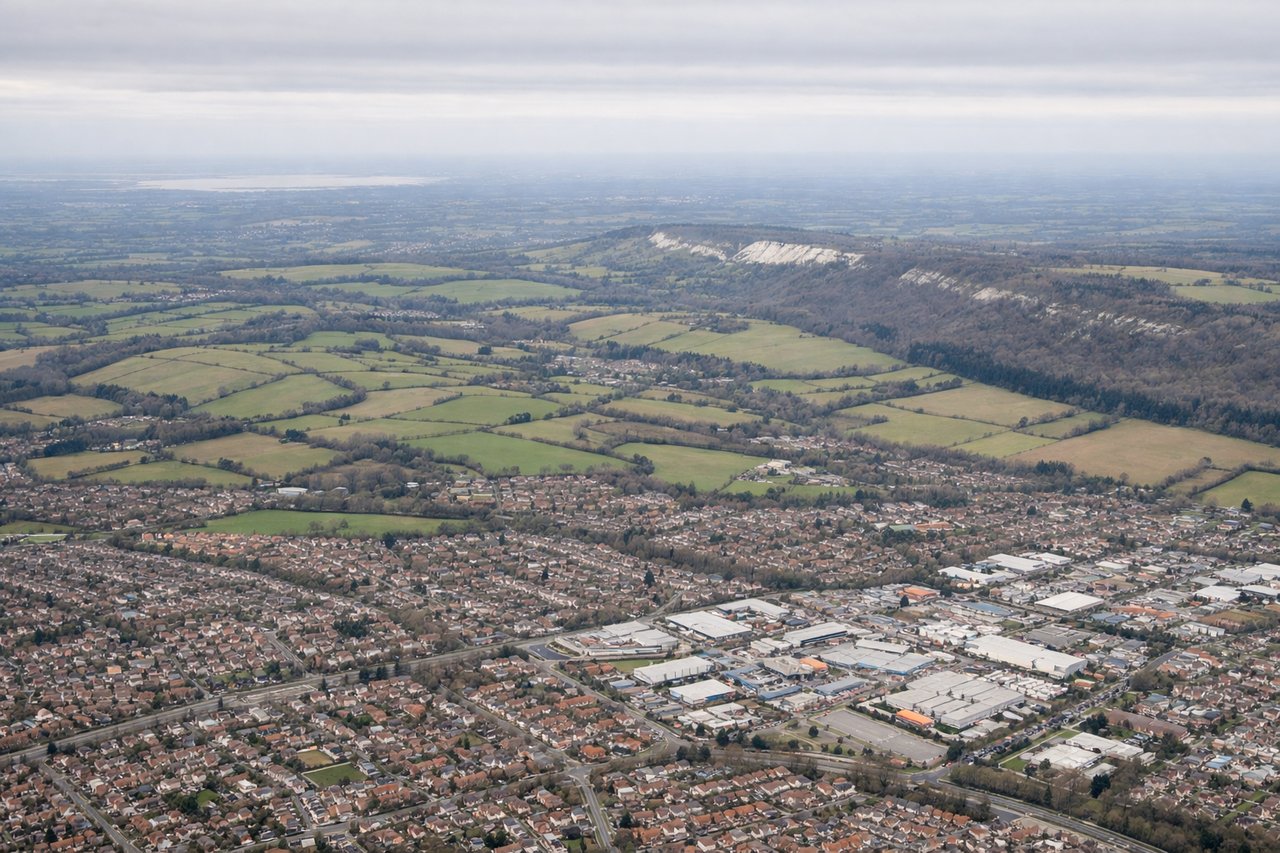
Takeoff from LGW
LEFTGatwick's northern runway orientation and London's position mean westbound departures climb over the Thames Valley and Surrey Hills. Left seats face south toward the Weald and South Downs escarpment, offering immediate terrain contrast after takeoff.
Landing at PKX
RIGHTBeijing Daxing's location 46 km south of central Beijing means eastbound approaches descend over the North China Plain with views of the city's sprawl, the Yanshan Mountains to the northwest, and the airport's distinctive architectural footprint. Right seats face north toward Beijing's urban core and mountain backdrop.
Will your flight be in sunlight?
Pick a date and time in the Sun Map to watch the sun move across your whole flight.
About This Route
Which side of the plane should I sit on flying from Gatwick (LGW) to Beijing Daxing International Airport (PKX)?
Sit on the Right side of the plane for the best views on flights from London to Beijing. The right side scores higher due to the landing approach into Beijing, which offers dramatic urban density, the Yanshan Mountains as a scenic backdrop, and the architectural spectacle of Daxing Airport itself. The westbound departure from Gatwick is pleasant but brief; the 10+ hours of cruise over continental Europe, Russia, and Mongolia on both sides are relatively featureless at altitude. Right seats capture the more visually distinctive endpoints.
What can I see during takeoff from Gatwick in London?
During takeoff from Gatwick (LGW), sit on the Left side for the best views. Gatwick's northern runway orientation and London's position mean westbound departures climb over the Thames Valley and Surrey Hills. Left seats face south toward the Weald and South Downs escarpment, offering immediate terrain contrast after takeoff. Notable sights include: Thames Valley floor, South Downs ridge, Gatwick's surrounding patchwork of fields and villages, English Channel visible on clear days.
What can I see when landing at Beijing Daxing International Airport in Beijing?
When landing at Beijing Daxing International Airport (PKX), sit on the Right side for the best views. Beijing Daxing's location 46 km south of central Beijing means eastbound approaches descend over the North China Plain with views of the city's sprawl, the Yanshan Mountains to the northwest, and the airport's distinctive architectural footprint. Right seats face north toward Beijing's urban core and mountain backdrop. Notable sights include: Beijing's urban sprawl and high-rise districts, Yanshan Mountains (northern horizon), Daxing Airport's terminal complex, Yongding River valley.
How long is the flight from London to Beijing?
The flight from Gatwick (LGW) to Beijing Daxing International Airport (PKX) takes about 10 hours 35 minutes. The shortest flight path between them is 5,100 miles (8,208 km); winds and air traffic control usually add a few percent.
What does the London to Beijing flight path pass over?
Alps (Swiss/French border, visible on clear days during early cruise), Carpathian Mountains (Romania), Black Sea coast (southern horizon on northbound routing), Caspian Sea (northern routing), Ural Mountains (distant, northern horizon), Kazakh steppe (vast, flat), Altai Mountains (Mongolia-Russia border, far northern horizon), Gobi Desert (Mongolia, flat and featureless at altitude)