London to Pisa is 713 miles (1,148 km), a flight of about 2 hours 10 minutes.
The right side wins because it captures the flight's two most scenic moments: a brief coastal glimpse during the Gatwick climb-out and, more importantly, the western Alps near the French-Italian border during cruise, followed by the Tuscan coastline and Ligurian Sea on final approach into Pisa. The left side offers mostly flat French farmland with no comparable landmarks.
Flight Path
The route crosses the English Channel near Dieppe, then tracks southeast over the flat farmland of Champagne and Burgundy in France, passing near the Jura Mountains and the western Alps (Mont Blanc massif) before descending over the Po Valley approaches into Tuscany and the Ligurian coast near Pisa.
Great circle distance and headings ›.jpeg?width=600)
_Panoramica_del_centro_della_citt%C3%A0_dal_lago.jpg?width=600)


_-_24_(50543603956).jpg?width=600)
Phase by phase
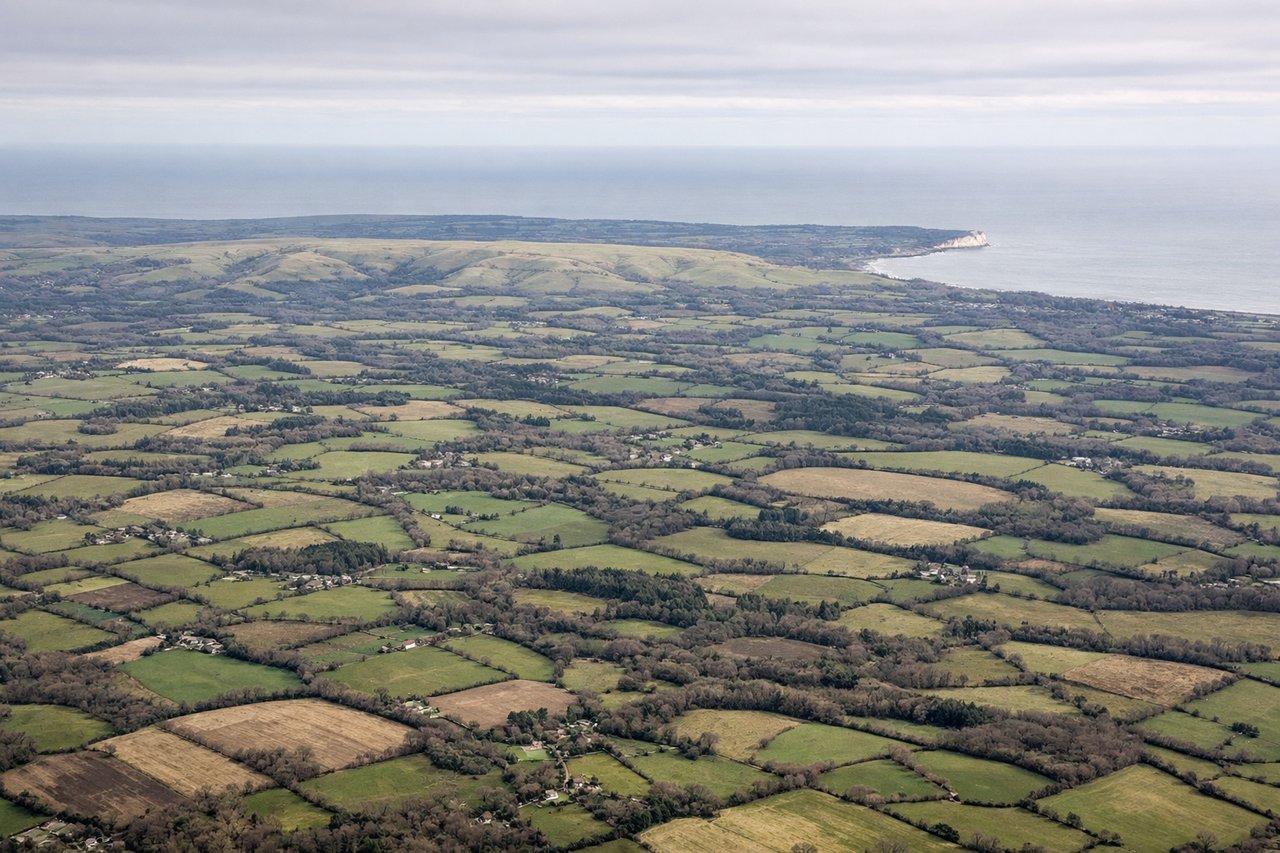
Takeoff from LGW
RIGHTGatwick departures typically roll west on runway 26 before banking south toward the Channel, and that turn puts the South Downs and the Sussex coast on the right side briefly. The left side only shows the flat Weald countryside and London's southern suburbs, with no distinct landmarks.
Landing at PSA
RIGHTArrivals into Pisa commonly descend from the north and align with runway 21, tracking down the Tuscan coast before turning inland. That puts the Ligurian Sea and the coastline near Livorno on the right side, while the left shows only the Apennine foothills receding inland.
Landmarks on this routeAll landmarks →
Will your flight be in sunlight?
Pick a date and time in the Sun Map to watch the sun move across your whole flight.
About This Route
Which side of the plane should I sit on flying from Gatwick (LGW) to Pisa (PSA)?
Sit on the Right side of the plane for the best views on flights from London to Pisa. The right side wins because it captures the flight's two most scenic moments: a brief coastal glimpse during the Gatwick climb-out and, more importantly, the western Alps near the French-Italian border during cruise, followed by the Tuscan coastline and Ligurian Sea on final approach into Pisa. The left side offers mostly flat French farmland with no comparable landmarks.
What can I see during takeoff from Gatwick in London?
During takeoff from Gatwick (LGW), sit on the Right side for the best views. Gatwick departures typically roll west on runway 26 before banking south toward the Channel, and that turn puts the South Downs and the Sussex coast on the right side briefly. The left side only shows the flat Weald countryside and London's southern suburbs, with no distinct landmarks. Notable sights include: South Downs ridgeline, Sussex coastline near Brighton, English Channel, Weald countryside.
What can I see when landing at Pisa in Pisa?
When landing at Pisa (PSA), sit on the Right side for the best views. Arrivals into Pisa commonly descend from the north and align with runway 21, tracking down the Tuscan coast before turning inland. That puts the Ligurian Sea and the coastline near Livorno on the right side, while the left shows only the Apennine foothills receding inland. Notable sights include: Ligurian Sea coastline, mouth of the Arno River, Livorno harbor area, Tuscan coastal plain.
How long is the flight from London to Pisa?
The flight from Gatwick (LGW) to Pisa (PSA) takes about 2 hours 10 minutes. The shortest flight path between them is 713 miles (1,148 km); winds and air traffic control usually add a few percent.
What does the London to Pisa flight path pass over?
The route crosses the English Channel near Dieppe, then tracks southeast over the flat farmland of Champagne and Burgundy in France, passing near the Jura Mountains and the western Alps (Mont Blanc massif) before descending over the Po Valley approaches into Tuscany and the Ligurian coast near Pisa.