London to Tivat is 1,075 miles (1,729 km), a flight of about 2 hours 50 minutes.
The right side strings together the best moments of the flight: a brief London skyline view on departure, the Alps during cruise, and the dramatic mountain-ringed Bay of Kotor on final approach into Tivat.
Flight Path
The flight path crosses the eastern Alps near the Swiss/Italian border, then continues over northern Italy's Po Valley before crossing the Adriatic Sea toward the Montenegrin coast.
Great circle distance and headings ›.jpeg?width=600)


Phase by phase
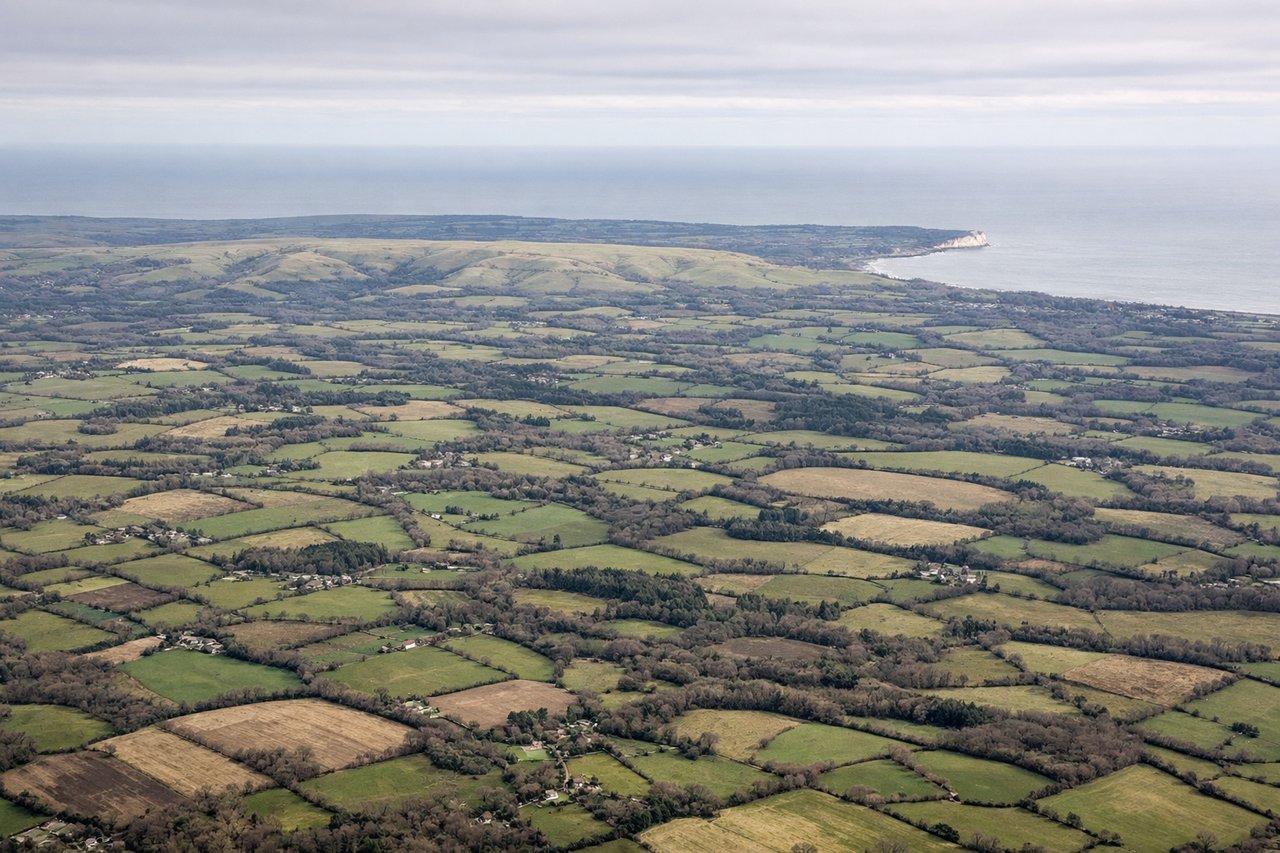
Takeoff from LGW
RIGHTGatwick's westward departure on runway 26 briefly points the aircraft toward London before the turn south-east begins, giving right-side passengers a fleeting view of the city skyline and the green ridgeline of the South Downs. The left side mostly faces open Sussex farmland with less to distinguish it.
Landing at TIV
RIGHTOn the runway 32 approach into Tivat, the aircraft banks past the Vrmac ridge that separates Tivat Bay from the main Bay of Kotor, putting that steep limestone ridge and a glimpse of Kotor town under the Lovćen massif on the right side. The left side mainly faces the open Adriatic and the flatter Luštica peninsula.
Landmarks on this routeAll landmarks →
Will your flight be in sunlight?
Pick a date and time in the Sun Map to watch the sun move across your whole flight.
About This Route
Which side of the plane should I sit on flying from Gatwick (LGW) to Tivat (TIV)?
Sit on the Right side of the plane for the best views on flights from London to Tivat. The right side strings together the best moments of the flight: a brief London skyline view on departure, the Alps during cruise, and the dramatic mountain-ringed Bay of Kotor on final approach into Tivat.
What can I see during takeoff from Gatwick in London?
During takeoff from Gatwick (LGW), sit on the Right side for the best views. Gatwick's westward departure on runway 26 briefly points the aircraft toward London before the turn south-east begins, giving right-side passengers a fleeting view of the city skyline and the green ridgeline of the South Downs. The left side mostly faces open Sussex farmland with less to distinguish it. Notable sights include: London skyline (The Shard, City towers) on the horizon, South Downs ridge, Sussex farmland near Crawley/Gatwick, English Channel coastline as the turn completes.
What can I see when landing at Tivat in Tivat?
When landing at Tivat (TIV), sit on the Right side for the best views. On the runway 32 approach into Tivat, the aircraft banks past the Vrmac ridge that separates Tivat Bay from the main Bay of Kotor, putting that steep limestone ridge and a glimpse of Kotor town under the Lovćen massif on the right side. The left side mainly faces the open Adriatic and the flatter Luštica peninsula. Notable sights include: Vrmac ridge, glimpse of the inner Bay of Kotor and Kotor old town, Lovćen mountain range, turquoise waters of Tivat Bay.
How long is the flight from London to Tivat?
The flight from Gatwick (LGW) to Tivat (TIV) takes about 2 hours 50 minutes. The shortest flight path between them is 1,075 miles (1,729 km); winds and air traffic control usually add a few percent.
What does the London to Tivat flight path pass over?
The flight path crosses the eastern Alps near the Swiss/Italian border, then continues over northern Italy's Po Valley before crossing the Adriatic Sea toward the Montenegrin coast.