The right side wins overall because the westbound transatlantic routing curves north past southern Greenland's coastal ice fields and Labrador, offering the flight's most dramatic scenery, and it also captures the Toronto skyline on final approach — advantages the left side, dominated by open ocean, cannot match.
Flown LGW to YTZ? Did we get it right?
Flight Path
London to Toronto is 3,559 miles (5,728 km), a flight of about 8 hours 45 minutes.
Southern Greenland's icecap and coastal fjords, the Labrador Sea, and the rugged coastline of Labrador before the route continues over central Quebec toward the Great Lakes region.
Great circle distance and headings ›

Phase by phase
Takeoff from LGW
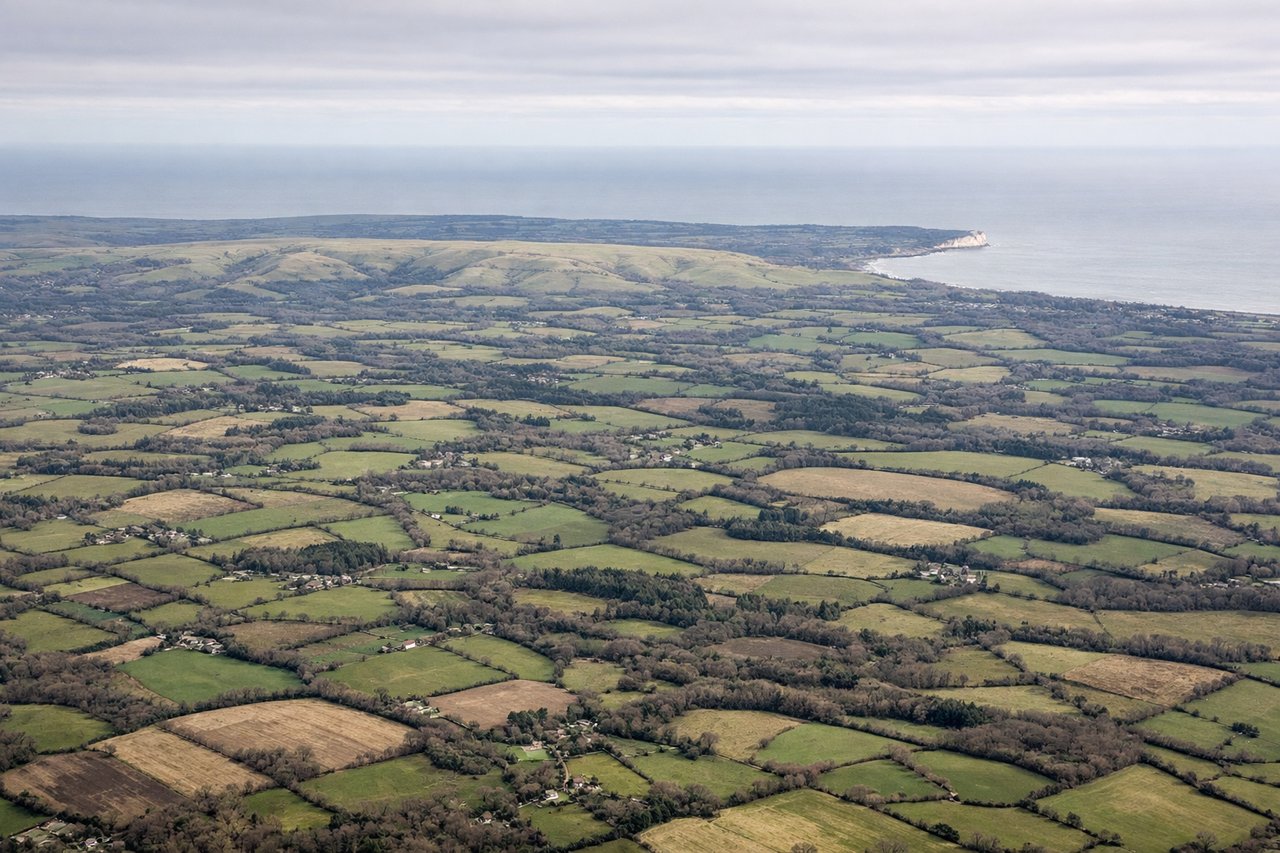
RIGHTDeparting Gatwick on runway 26, the aircraft climbs west then curves northwest toward the Atlantic corridor, giving right-side passengers a receding view of London's skyline and the Thames basin before the turn. The left side mostly shows the wooded Weald and Surrey hills, less distinctive.
Landing at YTZ
RIGHTApproaches into Toronto's City Airport typically come in low over Lake Ontario, and on the right side passengers get a sweeping view of the downtown Toronto skyline, including the CN Tower and harbor islands, just before touchdown. The left side mainly shows open lake water with little to see.
Will your flight be in sunlight?
Pick a date and time in the Sun Map to watch the sun move across your whole flight.
About This Route
Which side of the plane should I sit on flying from Gatwick (LGW) to City Centre (YTZ)?
Sit on the Right side of the plane for the best views on flights from London to Toronto. The right side wins overall because the westbound transatlantic routing curves north past southern Greenland's coastal ice fields and Labrador, offering the flight's most dramatic scenery, and it also captures the Toronto skyline on final approach — advantages the left side, dominated by open ocean, cannot match.
What can I see during takeoff from Gatwick in London?
During takeoff from Gatwick (LGW), sit on the Right side for the best views. Departing Gatwick on runway 26, the aircraft climbs west then curves northwest toward the Atlantic corridor, giving right-side passengers a receding view of London's skyline and the Thames basin before the turn. The left side mostly shows the wooded Weald and Surrey hills, less distinctive. Notable sights include: London skyline (distant), Thames Estuary, North Downs, Surrey countryside.
What can I see when landing at City Centre in Toronto?
When landing at City Centre (YTZ), sit on the Right side for the best views. Approaches into Toronto's City Airport typically come in low over Lake Ontario, and on the right side passengers get a sweeping view of the downtown Toronto skyline, including the CN Tower and harbor islands, just before touchdown. The left side mainly shows open lake water with little to see. Notable sights include: CN Tower, Toronto Islands, downtown skyline, Lake Ontario shoreline.
How long is the flight from London to Toronto?
The flight from Gatwick (LGW) to City Centre (YTZ) takes about 8 hours 45 minutes. The shortest flight path between them is 3,559 miles (5,728 km); winds and air traffic control usually add a few percent.
What does the London to Toronto flight path pass over?
Southern Greenland's icecap and coastal fjords, the Labrador Sea, and the rugged coastline of Labrador before the route continues over central Quebec toward the Great Lakes region.