The right side captures the most dramatic scenery: the volcanic Cordillera de Guanacaste during departure is visually striking and geologically distinctive. While the landing approach favors the left for Dallas skyline views, the takeoff experience is more memorable and the mountain terrain is more visually compelling than urban sprawl.
Flight Path
The flight path crosses the Yucatan Peninsula and the Gulf of Mexico. Notable features include the Yucatan's flat limestone terrain with cenote lakes visible in clear conditions, the Gulf coastline near the Mexico-Texas border, and the transition from tropical lowlands to the Texas coastal plains. The Rio Grande marks the US-Mexico border in the final approach phase. Most of the flight crosses open water and low-lying terrain with limited dramatic visual features in the midpoint.
Great circle distance and headings ›Phase by phase
Takeoff from LIR
RIGHTRight-side seats offer views of the Cordillera de Guanacaste mountain range as the aircraft climbs northwestward out of Liberia. The terrain rises dramatically to the right, providing clear sightlines to volcanic peaks and forested ridges.
Landing at DAL
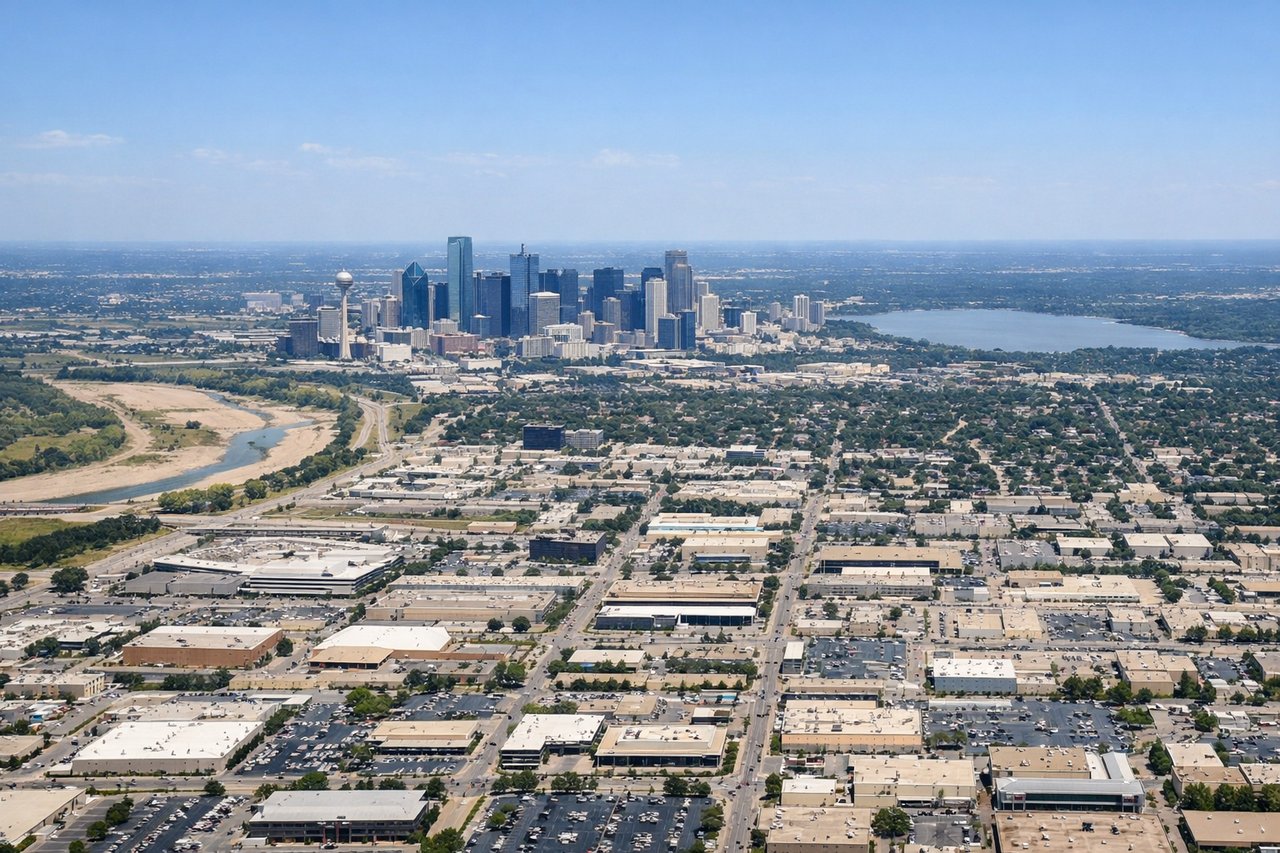
LEFTLeft-side seats provide excellent views during the descent approach into Dallas Love Field. The aircraft descends from the north, and left-side passengers see the Dallas downtown skyline, the Trinity River, and the urban sprawl of the metroplex spreading across the flat Texas landscape.
Will your flight be in sunlight?
See exactly which side of the plane gets sun and shade at your departure time.
About This Route
Which side of the plane should I sit on flying from Daniel Oduber Quiros International (LIR) to Dallas Love Fld (DAL)?
Sit on the Right side of the plane for the best views on flights from Liberia to Dallas. The right side captures the most dramatic scenery: the volcanic Cordillera de Guanacaste during departure is visually striking and geologically distinctive. While the landing approach favors the left for Dallas skyline views, the takeoff experience is more memorable and the mountain terrain is more visually compelling than urban sprawl.
What can I see during takeoff from Daniel Oduber Quiros International in Liberia?
During takeoff from Daniel Oduber Quiros International (LIR), sit on the Right side for the best views. Right-side seats offer views of the Cordillera de Guanacaste mountain range as the aircraft climbs northwestward out of Liberia. The terrain rises dramatically to the right, providing clear sightlines to volcanic peaks and forested ridges. Notable sights include: Cordillera de Guanacaste (volcanic peaks), Pacific coastal plains to the west, Liberia city grid below during initial climb, Lake Arenal basin in the distance to the southeast.
What can I see when landing at Dallas Love Fld in Dallas?
When landing at Dallas Love Fld (DAL), sit on the Left side for the best views. Left-side seats provide excellent views during the descent approach into Dallas Love Field. The aircraft descends from the north, and left-side passengers see the Dallas downtown skyline, the Trinity River, and the urban sprawl of the metroplex spreading across the flat Texas landscape. Notable sights include: Dallas downtown skyline and Reunion Tower, Trinity River corridor, Lake Lewisville to the north, Dallas-Fort Worth urban grid.
How long is the flight from Liberia to Dallas?
The flight from Daniel Oduber Quiros International (LIR) to Dallas Love Fld (DAL) takes Approximately 3 hours 45 minutes to 4 hours 15 minutes.
What does the Liberia to Dallas flight path pass over?
The flight path crosses the Yucatan Peninsula and the Gulf of Mexico. Notable features include the Yucatan's flat limestone terrain with cenote lakes visible in clear conditions, the Gulf coastline near the Mexico-Texas border, and the transition from tropical lowlands to the Texas coastal plains. The Rio Grande marks the US-Mexico border in the final approach phase. Most of the flight crosses open water and low-lying terrain with limited dramatic visual features in the midpoint.