While takeoff favors the left with Lisbon's coastal scenery, the long transatlantic cruise is mostly featureless ocean on both sides. The right side pulls ahead overall because the ORD arrival delivers a genuinely scenic payoff with Lake Michigan and the Chicago skyline, a stronger and more memorable finish than the flat Midwest terrain the left side sees on approach.
Flight Path
Mid-Atlantic open ocean with no land visible for several hours; the route passes south of Newfoundland and over the Gulf of St. Lawrence region before crossing into Quebec and Ontario airspace toward the Great Lakes.
Great circle distance and headings ›.jpg?width=600)
.jpeg?width=600)


Phase by phase
Takeoff from LIS
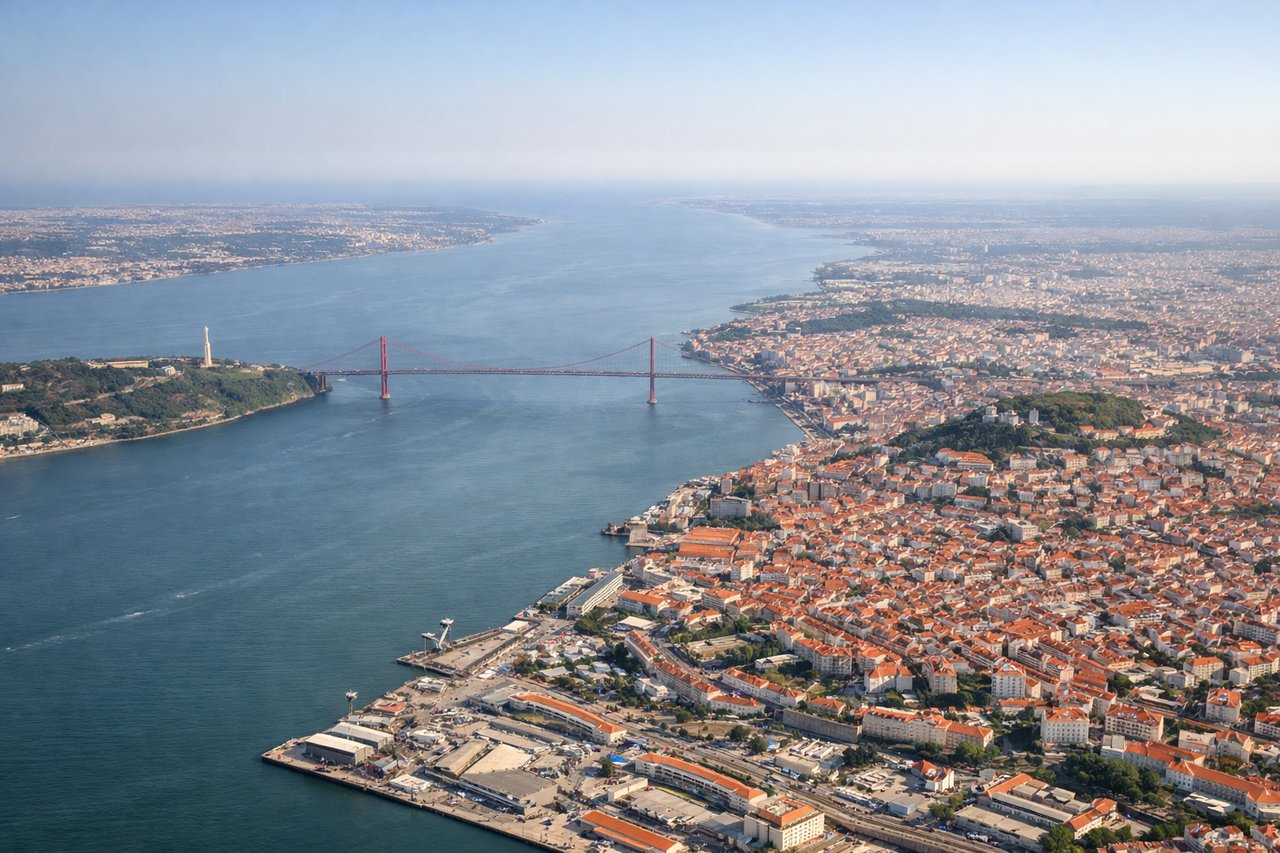
LEFTDeparting LIS on runway 02 under typical Nortada winds, the climb-out heads north directly over Lisbon before turning west toward the Atlantic. Left-side passengers get a clear view of the Tagus estuary, the Belém waterfront, and the city's coastline as the aircraft banks out over open water.

Landing at ORD
RIGHTArrivals into ORD from the northeast typically descend over Lake Michigan before turning onto the east-west runways, putting the lake and Chicago's skyline on the right side of the aircraft. This gives a strong final visual with the lakefront and downtown towers before the flat approach over suburban Chicago.
Landmarks on this routeAll landmarks →
Will your flight be in sunlight?
See exactly which side of the plane gets sun and shade at your departure time.
About This Route
Which side of the plane should I sit on flying from Lisboa (LIS) to Chicago Ohare International (ORD)?
Sit on the Right side of the plane for the best views on flights from Lisbon to Chicago. While takeoff favors the left with Lisbon's coastal scenery, the long transatlantic cruise is mostly featureless ocean on both sides. The right side pulls ahead overall because the ORD arrival delivers a genuinely scenic payoff with Lake Michigan and the Chicago skyline, a stronger and more memorable finish than the flat Midwest terrain the left side sees on approach.
What can I see during takeoff from Lisboa in Lisbon?
During takeoff from Lisboa (LIS), sit on the Left side for the best views. Departing LIS on runway 02 under typical Nortada winds, the climb-out heads north directly over Lisbon before turning west toward the Atlantic. Left-side passengers get a clear view of the Tagus estuary, the Belém waterfront, and the city's coastline as the aircraft banks out over open water. Notable sights include: Tagus River estuary, Belém district and 25 de Abril Bridge, Lisbon's hillside skyline, Atlantic coastline near Cascais.
What can I see when landing at Chicago Ohare International in Chicago?
When landing at Chicago Ohare International (ORD), sit on the Right side for the best views. Arrivals into ORD from the northeast typically descend over Lake Michigan before turning onto the east-west runways, putting the lake and Chicago's skyline on the right side of the aircraft. This gives a strong final visual with the lakefront and downtown towers before the flat approach over suburban Chicago. Notable sights include: Lake Michigan shoreline, Chicago downtown skyline (Willis Tower, Loop towers), Navy Pier, grid of Chicago suburbs.
How long is the flight from Lisbon to Chicago?
The flight from Lisboa (LIS) to Chicago Ohare International (ORD) takes 9h55m.
What does the Lisbon to Chicago flight path pass over?
Mid-Atlantic open ocean with no land visible for several hours; the route passes south of Newfoundland and over the Gulf of St. Lawrence region before crossing into Quebec and Ontario airspace toward the Great Lakes.