The left side wins overall because the dramatic volcanic departure from Gran Canaria and the fleeting glimpse of Tenerife's Teide outweigh the modest, flat English farmland seen on the right during landing; the long mid-flight stretch over the Atlantic and France is similar on both sides, so the departure scenery decides it.
Flight Path
The route crosses the open Atlantic west of Portugal and Spain, clips the Bay of Biscay, then continues over western France near Nantes before crossing the English Channel toward the Normandy coast and into southern England.
Great circle distance and headings ›

.jpeg?width=600)
Phase by phase
Takeoff from LPA
LEFTDeparting LPA on runway 03 (heading northeast), the aircraft climbs out over the sea then banks left to turn north toward the mainland, putting Gran Canaria's volcanic interior and the Las Palmas coastline in view on the left. Tenerife's Mount Teide is often visible poking above the horizon to the west on clear days, a genuinely dramatic start to the flight.
Landing at STN
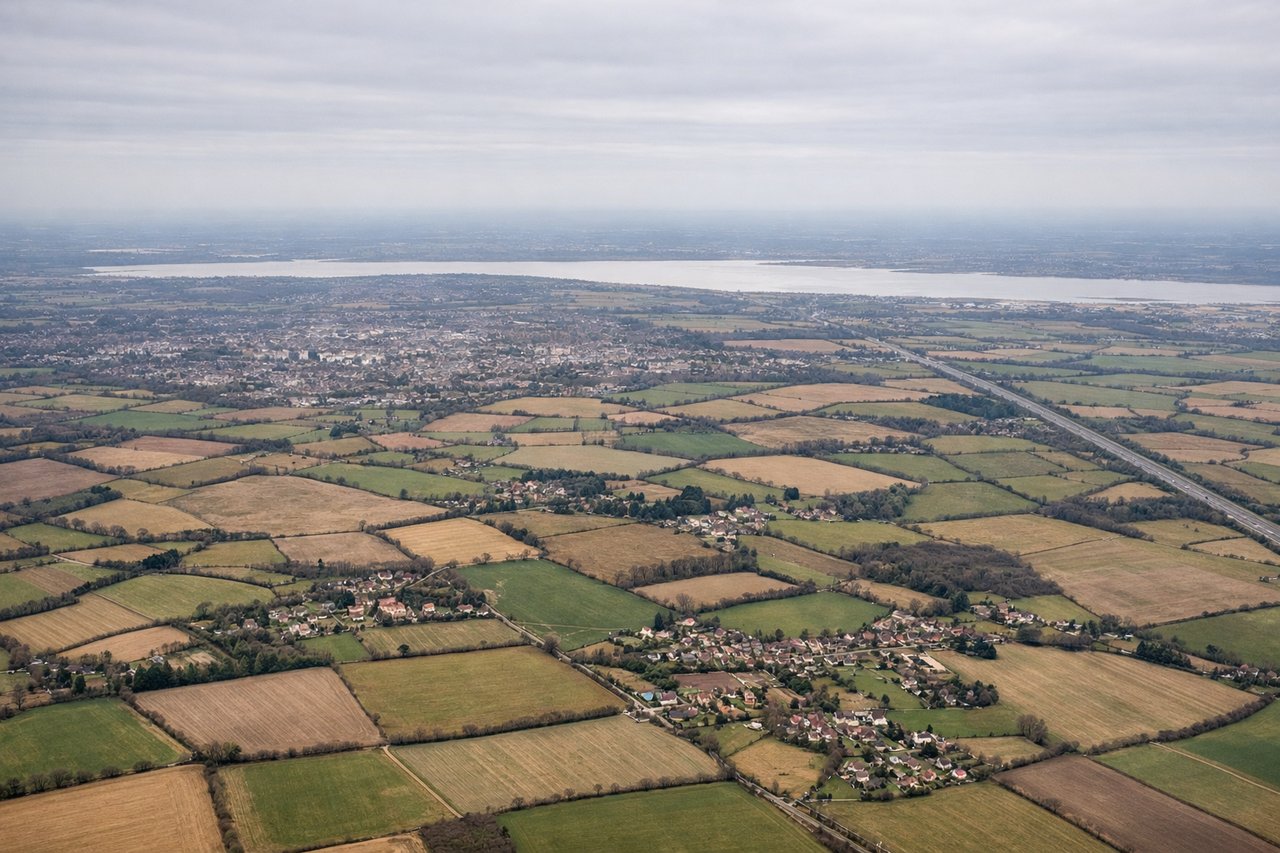
RIGHTWith Stansted's prevailing runway 22 in use, the final approach track runs from northeast to southwest, meaning the right side of the aircraft faces northwest during descent. This gives a view over the Cambridgeshire countryside toward Cambridge, while the left side only sees the flatter Essex farmland with no major towns.
Landmarks on this routeAll landmarks →
Will your flight be in sunlight?
See exactly which side of the plane gets sun and shade at your departure time.
About This Route
Which side of the plane should I sit on flying from Gran Canaria (LPA) to Stansted (STN)?
Sit on the Left side of the plane for the best views on flights from Gran Canaria to London. The left side wins overall because the dramatic volcanic departure from Gran Canaria and the fleeting glimpse of Tenerife's Teide outweigh the modest, flat English farmland seen on the right during landing; the long mid-flight stretch over the Atlantic and France is similar on both sides, so the departure scenery decides it.
What can I see during takeoff from Gran Canaria in Gran Canaria?
During takeoff from Gran Canaria (LPA), sit on the Left side for the best views. Departing LPA on runway 03 (heading northeast), the aircraft climbs out over the sea then banks left to turn north toward the mainland, putting Gran Canaria's volcanic interior and the Las Palmas coastline in view on the left. Tenerife's Mount Teide is often visible poking above the horizon to the west on clear days, a genuinely dramatic start to the flight. Notable sights include: Roque Nublo and Pico de las Nieves (Gran Canaria's central peaks), Las Palmas coastline, Mount Teide volcano on Tenerife in the distance.
What can I see when landing at Stansted in London?
When landing at Stansted (STN), sit on the Right side for the best views. With Stansted's prevailing runway 22 in use, the final approach track runs from northeast to southwest, meaning the right side of the aircraft faces northwest during descent. This gives a view over the Cambridgeshire countryside toward Cambridge, while the left side only sees the flatter Essex farmland with no major towns. Notable sights include: Cambridgeshire farmland patchwork, distant Cambridge skyline, Bishop's Stortford below the flight path.
How long is the flight from Gran Canaria to London?
The flight from Gran Canaria (LPA) to Stansted (STN) takes 4h 35m.
What does the Gran Canaria to London flight path pass over?
The route crosses the open Atlantic west of Portugal and Spain, clips the Bay of Biscay, then continues over western France near Nantes before crossing the English Channel toward the Normandy coast and into southern England.