The right side delivers the spectacular Luxor departure with the Nile bend, Karnak, and the Theban Hills — genuinely one of the most dramatic archaeological landscapes visible from any commercial flight. The London approach on the left is good but the Luxor takeoff is the standout moment of this route. Over the Mediterranean and Alps the right side also picks up the eastern Alps and Adriatic coastline depending on exact routing.
Flight Path
The route typically tracks north over the Eastern Mediterranean, crossing the Greek islands and Aegean Sea, then over the Balkans or northern Italy, crossing the Alps — the Swiss or French Alps are often visible — before descending over France and the English Channel into London. The Nile Delta is visible shortly after departure, and the Mediterranean coastline of Egypt and then Greece provides clear water-to-land transitions at altitude.
Great circle distance and headings ›


.jpg?width=600)


.jpeg?width=600)
Phase by phase
Takeoff from LXR
RIGHTLuxor airport sits just east of the Nile. Departing northwest on runway 20/02, a right-side seat gives you a direct view over the Nile Valley, the West Bank necropolis, and the Theban Hills. The dense concentration of temples and the distinctive bend in the Nile are clearly visible during climb-out.
Landing at LHR
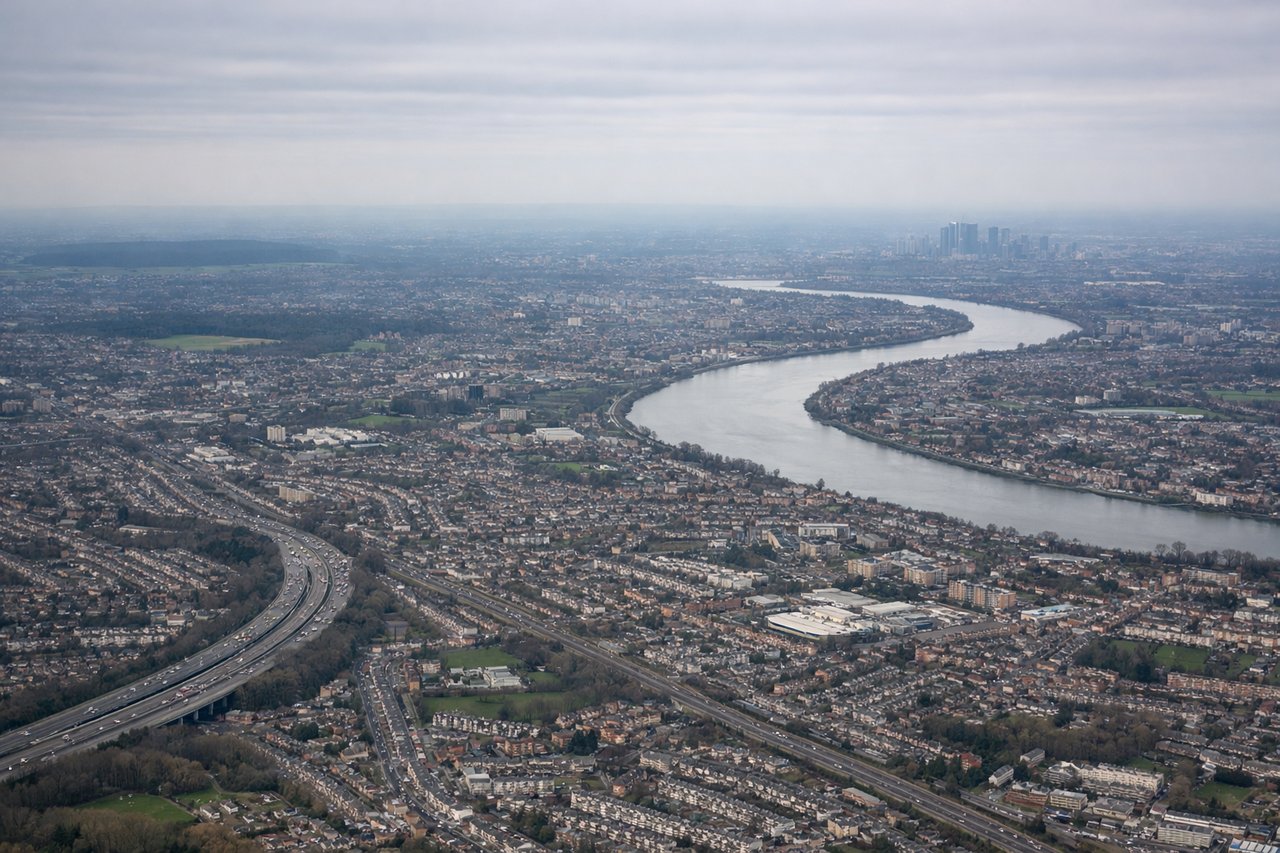
LEFTHeathrow typically uses westerly runways (27L/27R) meaning aircraft approach from the east over London. A left-side seat on approach gives views over central London — the Thames, the City, and recognizable urban geography. Right side faces away toward the suburbs of west London and Berkshire.
Landmarks on this routeAll landmarks →
Will your flight be in sunlight?
See exactly which side of the plane gets sun and shade at your departure time.
About This Route
Which side of the plane should I sit on flying from Luxor International (LXR) to Heathrow (LHR)?
Sit on the Right side of the plane for the best views on flights from Luxor to London. The right side delivers the spectacular Luxor departure with the Nile bend, Karnak, and the Theban Hills — genuinely one of the most dramatic archaeological landscapes visible from any commercial flight. The London approach on the left is good but the Luxor takeoff is the standout moment of this route. Over the Mediterranean and Alps the right side also picks up the eastern Alps and Adriatic coastline depending on exact routing.
What can I see during takeoff from Luxor International in Luxor?
During takeoff from Luxor International (LXR), sit on the Right side for the best views. Luxor airport sits just east of the Nile. Departing northwest on runway 20/02, a right-side seat gives you a direct view over the Nile Valley, the West Bank necropolis, and the Theban Hills. The dense concentration of temples and the distinctive bend in the Nile are clearly visible during climb-out. Notable sights include: Nile River bend at Luxor, Karnak Temple complex, Valley of the Kings plateau on the West Bank, Theban Hills escarpment.
What can I see when landing at Heathrow in London?
When landing at Heathrow (LHR), sit on the Left side for the best views. Heathrow typically uses westerly runways (27L/27R) meaning aircraft approach from the east over London. A left-side seat on approach gives views over central London — the Thames, the City, and recognizable urban geography. Right side faces away toward the suburbs of west London and Berkshire. Notable sights include: River Thames through central London, City of London skyline, Hyde Park green space, Windsor Castle and Great Park to the southwest.
How long is the flight from Luxor to London?
The flight from Luxor International (LXR) to Heathrow (LHR) takes Approximately 5 hours 30 minutes.
What does the Luxor to London flight path pass over?
The route typically tracks north over the Eastern Mediterranean, crossing the Greek islands and Aegean Sea, then over the Balkans or northern Italy, crossing the Alps — the Swiss or French Alps are often visible — before descending over France and the English Channel into London. The Nile Delta is visible shortly after departure, and the Mediterranean coastline of Egypt and then Greece provides clear water-to-land transitions at altitude.