The left side edges ahead overall thanks to the dramatic Guadarrama mountain backdrop right after takeoff, a genuinely scenic terrain feature, while the right side's advantage is confined mostly to the brief London skyline view on final approach.
Flight Path
Bay of Biscay coastline near Bordeaux and the Gironde estuary, followed by the English Channel near the Isle of Wight before the French/English coastlines give way to southern England's patchwork farmland.
Great circle distance and headings ›

.jpeg?width=600)
Phase by phase
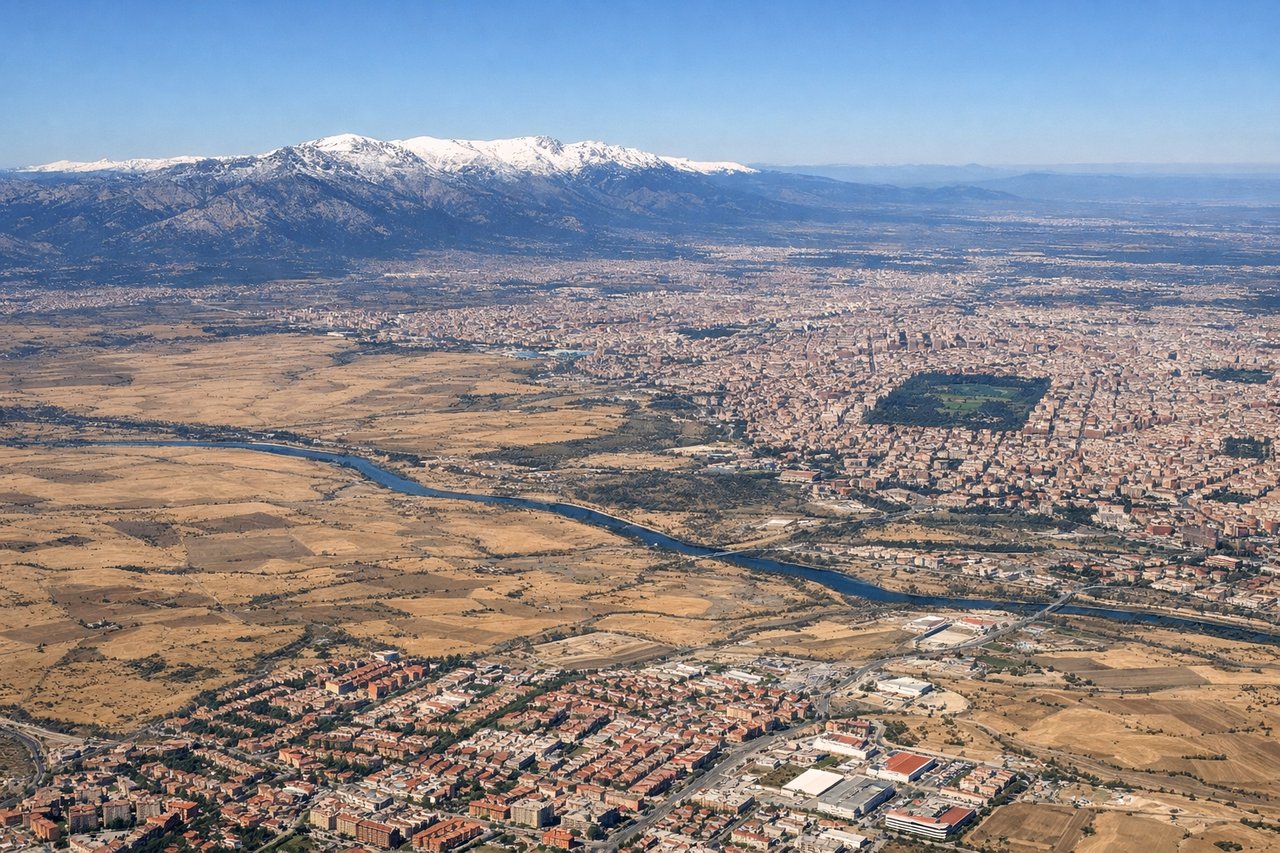
Takeoff from MAD
LEFTDeparting Barajas in the typical north configuration, the aircraft climbs north then banks west toward France, putting the Sierra de Guadarrama's jagged granite peaks and reservoirs on the left side. The right side over the flat Meseta plain offers little variation by comparison.
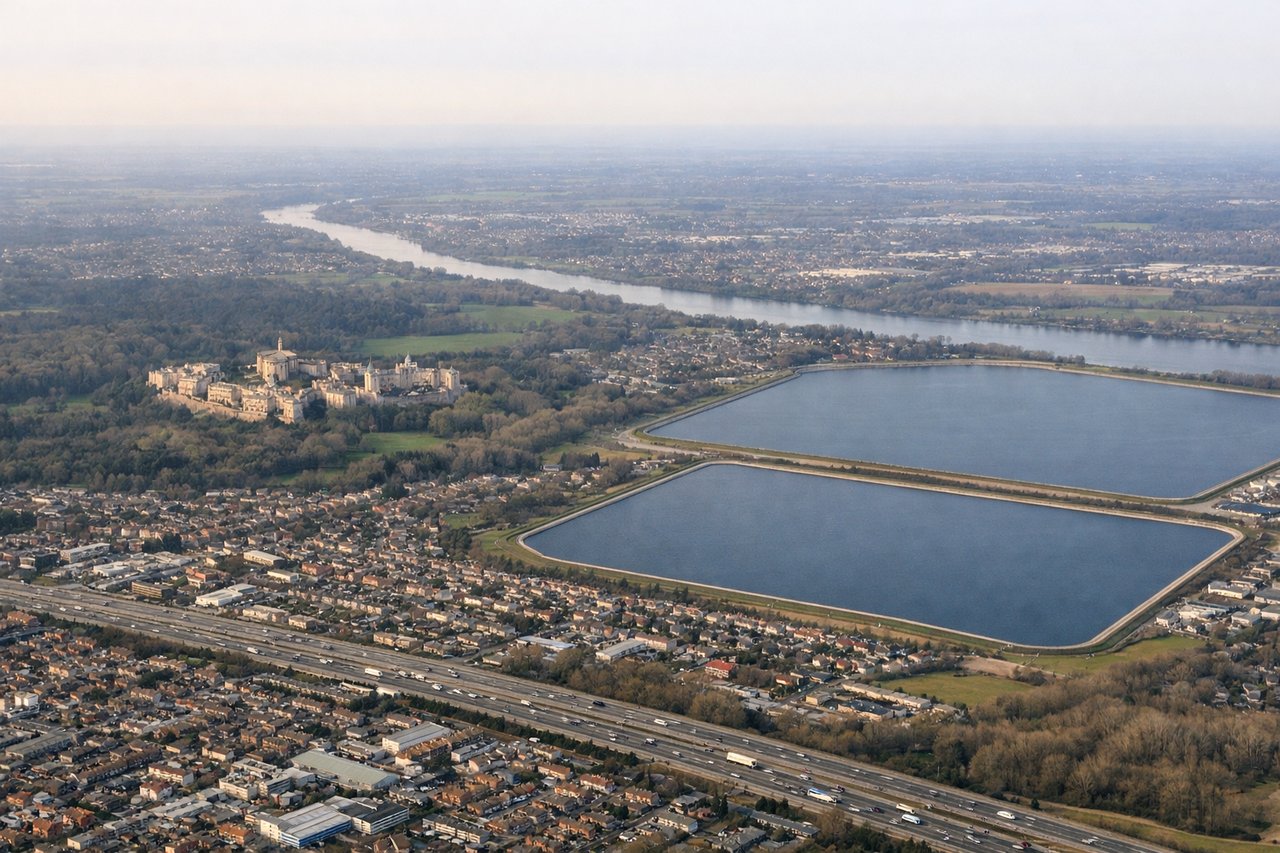
Landing at LHR
RIGHTOn the common easterly approach path into Heathrow from the south/southeast holding pattern, the aircraft turns to align with the westbound runway, placing central London's skyline and the Thames on the right side of the cabin during the final turn and descent. The left side mostly shows Surrey's suburban rooftops with less distinct scenery.
Landmarks on this routeAll landmarks →
Will your flight be in sunlight?
See exactly which side of the plane gets sun and shade at your departure time.
About This Route
Which side of the plane should I sit on flying from Barajas (MAD) to Heathrow (LHR)?
Sit on the Left side of the plane for the best views on flights from Madrid to London. The left side edges ahead overall thanks to the dramatic Guadarrama mountain backdrop right after takeoff, a genuinely scenic terrain feature, while the right side's advantage is confined mostly to the brief London skyline view on final approach.
What can I see during takeoff from Barajas in Madrid?
During takeoff from Barajas (MAD), sit on the Left side for the best views. Departing Barajas in the typical north configuration, the aircraft climbs north then banks west toward France, putting the Sierra de Guadarrama's jagged granite peaks and reservoirs on the left side. The right side over the flat Meseta plain offers little variation by comparison. Notable sights include: Sierra de Guadarrama, Madrid's northern suburbs, reservoirs of the Lozoya valley.
What can I see when landing at Heathrow in London?
When landing at Heathrow (LHR), sit on the Right side for the best views. On the common easterly approach path into Heathrow from the south/southeast holding pattern, the aircraft turns to align with the westbound runway, placing central London's skyline and the Thames on the right side of the cabin during the final turn and descent. The left side mostly shows Surrey's suburban rooftops with less distinct scenery. Notable sights include: River Thames, Canary Wharf skyline, London city center, Heathrow's parallel runways on final approach.
How long is the flight from Madrid to London?
The flight from Barajas (MAD) to Heathrow (LHR) takes 2h 25m.
What does the Madrid to London flight path pass over?
Bay of Biscay coastline near Bordeaux and the Gironde estuary, followed by the English Channel near the Isle of Wight before the French/English coastlines give way to southern England's patchwork farmland.