The left side wins overall. While the right side has the edge at Melbourne departure, the left side delivers the spectacular Miami arrival over Biscayne Bay and the Atlantic. Across the Pacific routing, the left side also tracks closer to the Hawaiian Islands chain and offers better views of the North American coastline on approach. The Miami arrival alone — one of the most visually striking in the US — tips the balance.
Flight Path
The routing crosses the Tasman Sea east of Australia, then the vast central Pacific Ocean with the Hawaiian Islands (Oahu, Maui visible on clear days from altitude) roughly at the midpoint. Crossing the North American continent, the route passes over the Sierra Nevada range in California, the Mojave Desert, the Rocky Mountains through New Mexico or Texas depending on routing, the Gulf Coast lowlands of Louisiana or Texas, and finally the Florida Peninsula before descending into Miami over the Everglades and Biscayne Bay.
Great circle distance and headings ›


Phase by phase
Takeoff from MEL
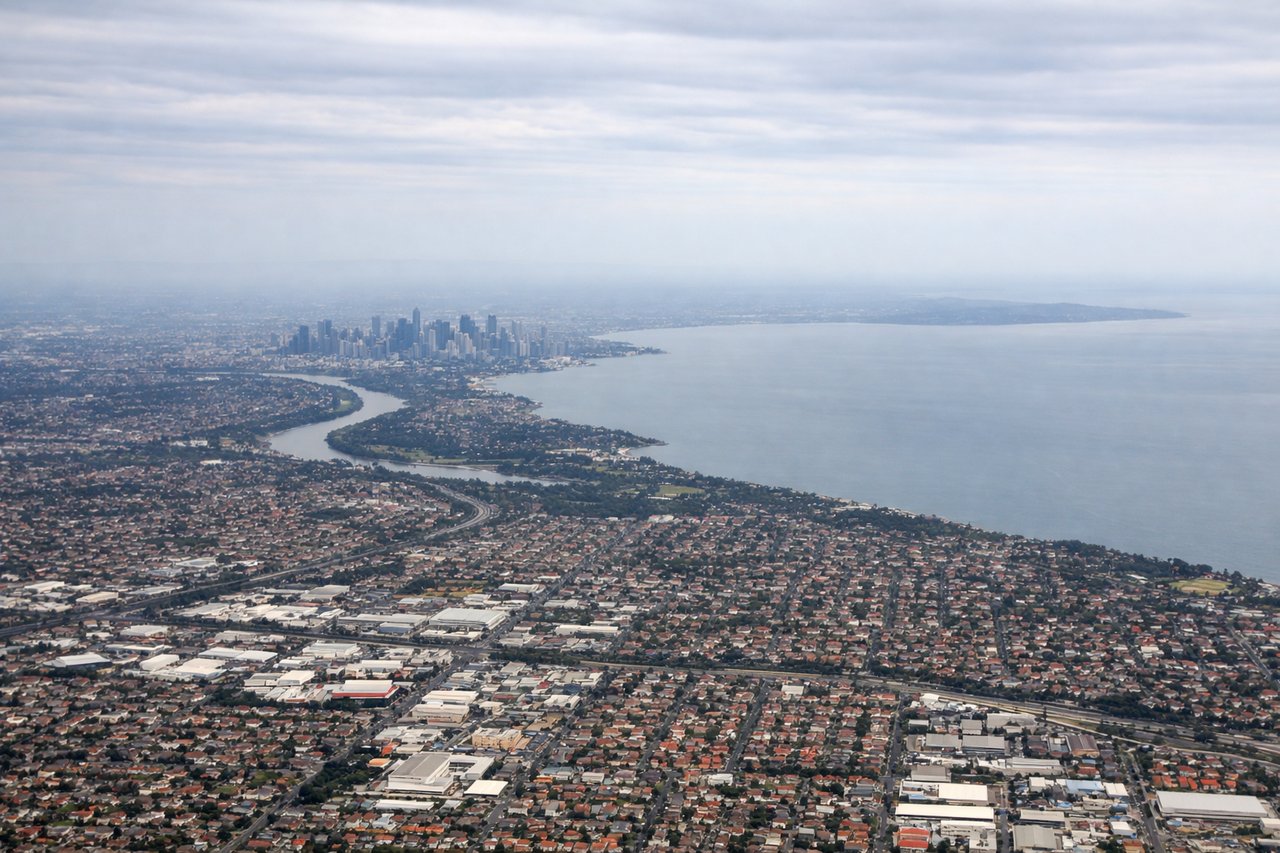
RIGHTMelbourne Airport's primary departures to the north use runway 16/34. Departing northbound on 34, the right side gives you Port Phillip Bay sweeping south toward the Mornington Peninsula, with Melbourne's CBD skyline visible to the southeast. The bay's distinctive horseshoe shape is immediately recognizable from climb-out.
Landing at MIA
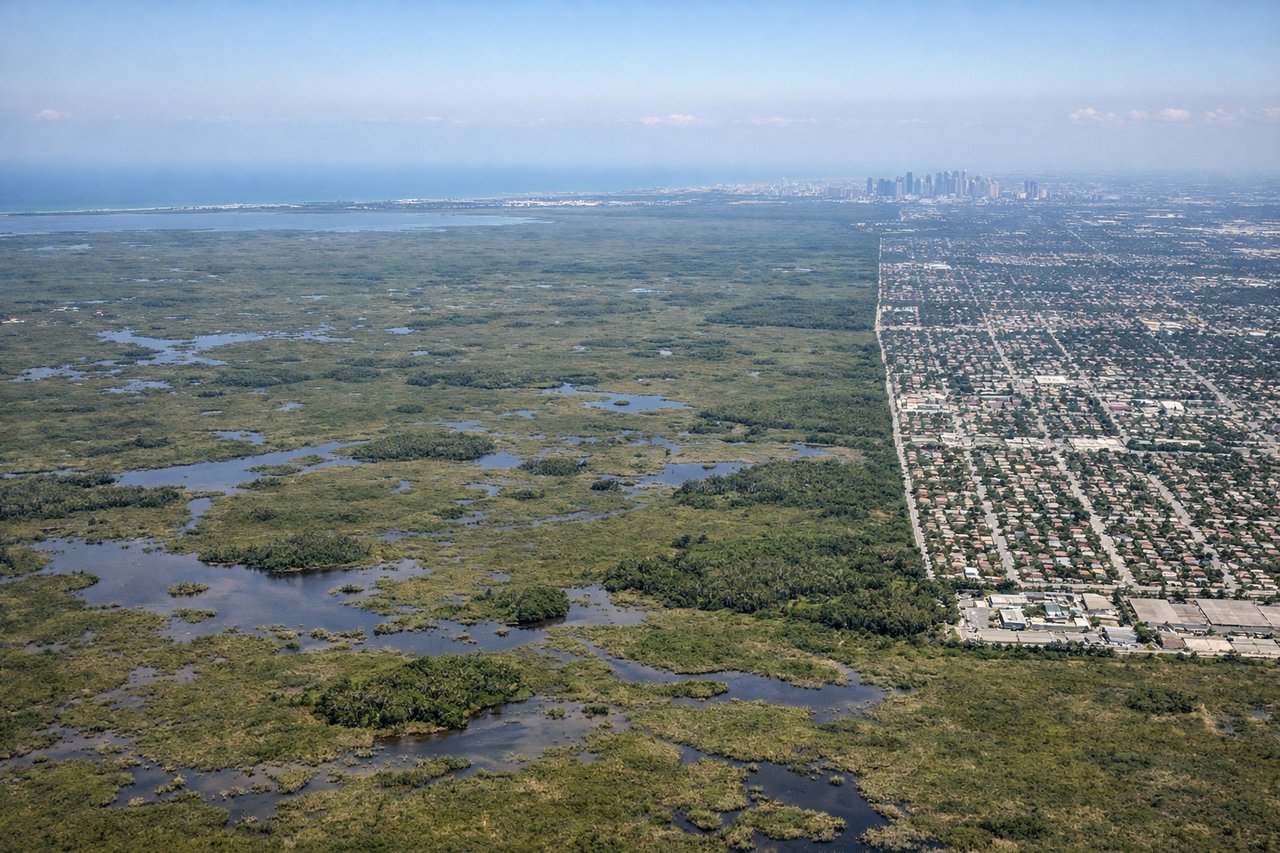
LEFTMiami International sits just west of downtown Miami, and aircraft typically approach from the west or northwest on runway 09/27. On approach from the west heading east, the left side gives you Biscayne Bay, Miami Beach's barrier island, and the Atlantic Ocean beyond — the most visually dramatic geography in the area. The right side faces inland toward the Everglades.
Landmarks on this routeAll landmarks →
Will your flight be in sunlight?
See exactly which side of the plane gets sun and shade at your departure time.
About This Route
Which side of the plane should I sit on flying from Melbourne International (MEL) to Miami International (MIA)?
Sit on the Left side of the plane for the best views on flights from Melbourne to Miami. The left side wins overall. While the right side has the edge at Melbourne departure, the left side delivers the spectacular Miami arrival over Biscayne Bay and the Atlantic. Across the Pacific routing, the left side also tracks closer to the Hawaiian Islands chain and offers better views of the North American coastline on approach. The Miami arrival alone — one of the most visually striking in the US — tips the balance.
What can I see during takeoff from Melbourne International in Melbourne?
During takeoff from Melbourne International (MEL), sit on the Right side for the best views. Melbourne Airport's primary departures to the north use runway 16/34. Departing northbound on 34, the right side gives you Port Phillip Bay sweeping south toward the Mornington Peninsula, with Melbourne's CBD skyline visible to the southeast. The bay's distinctive horseshoe shape is immediately recognizable from climb-out. Notable sights include: Port Phillip Bay, Melbourne CBD skyline, Mornington Peninsula, Dandenong Ranges to the east.
What can I see when landing at Miami International in Miami?
When landing at Miami International (MIA), sit on the Left side for the best views. Miami International sits just west of downtown Miami, and aircraft typically approach from the west or northwest on runway 09/27. On approach from the west heading east, the left side gives you Biscayne Bay, Miami Beach's barrier island, and the Atlantic Ocean beyond — the most visually dramatic geography in the area. The right side faces inland toward the Everglades. Notable sights include: Biscayne Bay, Miami Beach barrier island, Port of Miami, the Atlantic Ocean.
How long is the flight from Melbourne to Miami?
The flight from Melbourne International (MEL) to Miami International (MIA) takes Approximately 17-19 hours with one stop, typically in Los Angeles (LAX) or Dallas (DFW). No current nonstop service exists between MEL and MIA..
What does the Melbourne to Miami flight path pass over?
The routing crosses the Tasman Sea east of Australia, then the vast central Pacific Ocean with the Hawaiian Islands (Oahu, Maui visible on clear days from altitude) roughly at the midpoint. Crossing the North American continent, the route passes over the Sierra Nevada range in California, the Mojave Desert, the Rocky Mountains through New Mexico or Texas depending on routing, the Gulf Coast lowlands of Louisiana or Texas, and finally the Florida Peninsula before descending into Miami over the Everglades and Biscayne Bay.