Right-side seats capture the most dramatic scenery at both ends: Biscayne Bay and the Miami coastline during departure, and the approach over Port Phillip Bay during arrival. The left side offers good landing views but less compelling takeoff scenery.
Flight Path
This route typically crosses the Pacific via a stopover in Asia. En route, you'll pass over the Caribbean (if visible during early climb), the Atlantic, parts of Africa or the Middle East depending on routing, the Indian Ocean, and Southeast Asia before heading south to Australia. The most notable mid-flight geography includes the Indian Ocean (vast and featureless), the Indonesian archipelago (if routed that way), and the Australian continent's interior deserts and coastlines during the final approach segment.
Great circle distance and headings ›


Phase by phase
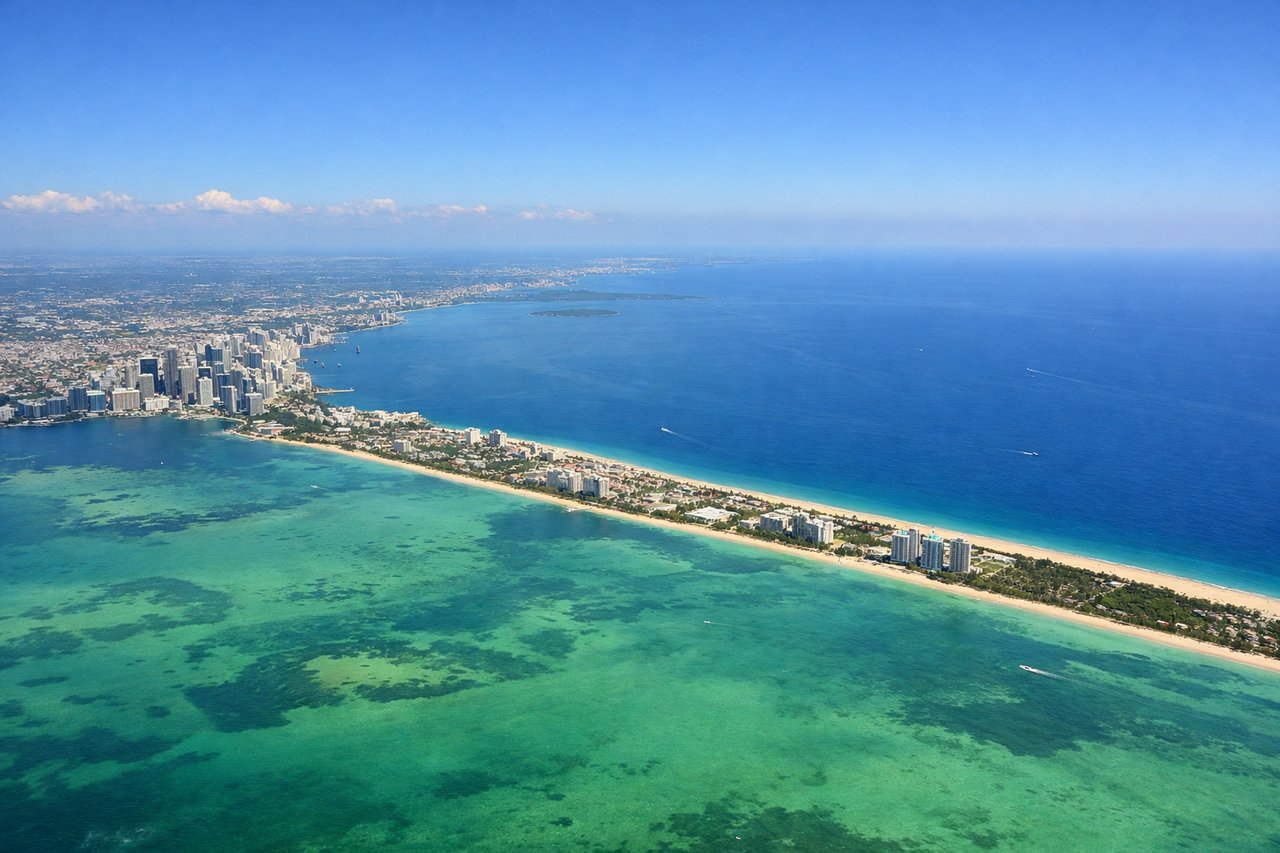
Takeoff from MIA
RIGHTRight-side seats offer views of Biscayne Bay and the Miami coastline as the aircraft climbs out eastbound over the Atlantic. You'll see the barrier islands, shallow turquoise waters, and the urban sprawl of Miami receding inland.
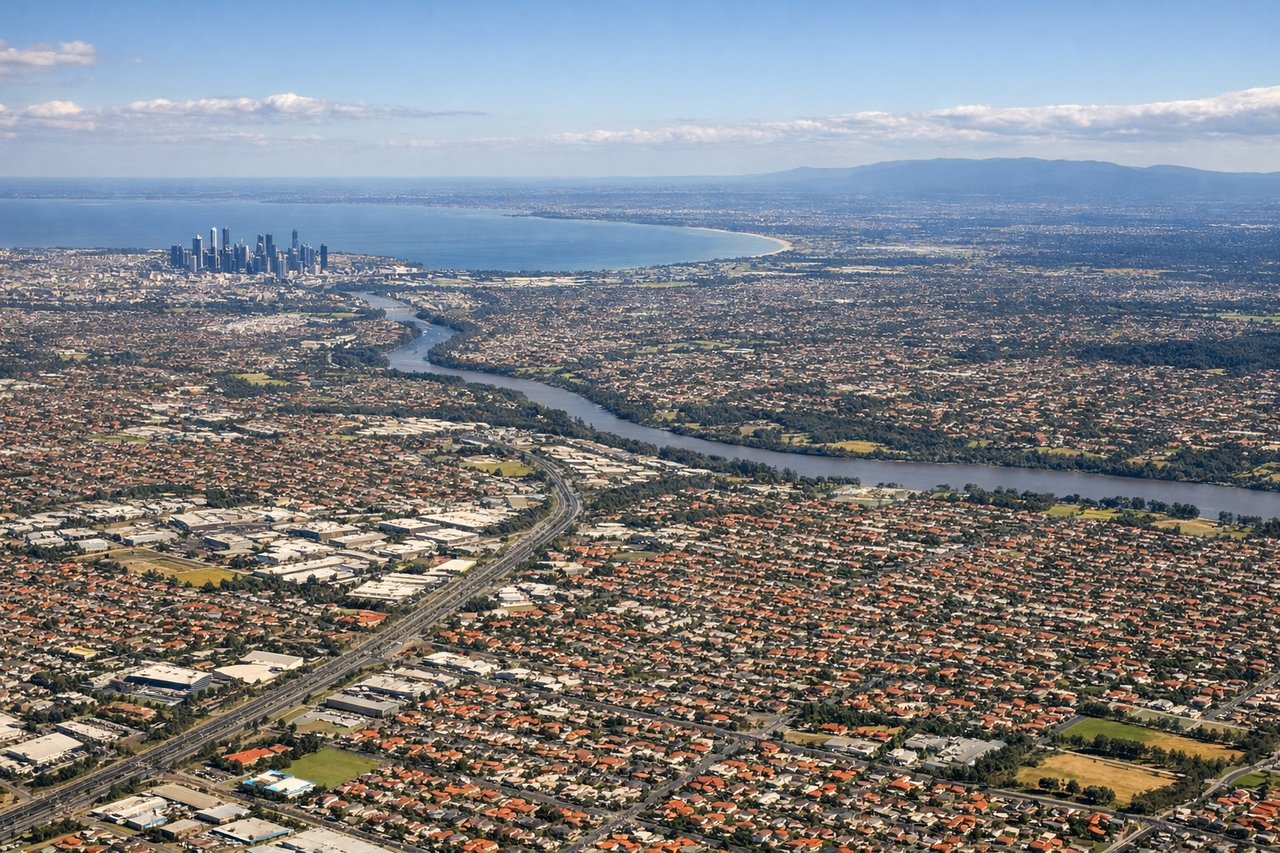
Landing at MEL
LEFTLeft-side seats provide views during the descent approach into Melbourne from the west. You'll see Port Phillip Bay, the Dandenong Ranges as a distant ridge, and the sprawling Melbourne metropolitan area with its grid pattern and the Yarra River winding through the city center.
Landmarks on this routeAll landmarks →
Will your flight be in sunlight?
See exactly which side of the plane gets sun and shade at your departure time.
About This Route
Which side of the plane should I sit on flying from Miami International (MIA) to Melbourne International (MEL)?
Sit on the Right side of the plane for the best views on flights from Miami to Melbourne. Right-side seats capture the most dramatic scenery at both ends: Biscayne Bay and the Miami coastline during departure, and the approach over Port Phillip Bay during arrival. The left side offers good landing views but less compelling takeoff scenery.
What can I see during takeoff from Miami International in Miami?
During takeoff from Miami International (MIA), sit on the Right side for the best views. Right-side seats offer views of Biscayne Bay and the Miami coastline as the aircraft climbs out eastbound over the Atlantic. You'll see the barrier islands, shallow turquoise waters, and the urban sprawl of Miami receding inland. Notable sights include: Biscayne Bay, Miami Beach barrier islands, Port of Miami container terminals, Atlantic Ocean horizon.
What can I see when landing at Melbourne International in Melbourne?
When landing at Melbourne International (MEL), sit on the Left side for the best views. Left-side seats provide views during the descent approach into Melbourne from the west. You'll see Port Phillip Bay, the Dandenong Ranges as a distant ridge, and the sprawling Melbourne metropolitan area with its grid pattern and the Yarra River winding through the city center. Notable sights include: Port Phillip Bay, Dandenong Ranges, Yarra River, Melbourne CBD skyline.
How long is the flight from Miami to Melbourne?
The flight from Miami International (MIA) to Melbourne International (MEL) takes Approximately 15-16 hours (including one stop, typically in Asia such as Singapore, Hong Kong, or Sydney).
What does the Miami to Melbourne flight path pass over?
This route typically crosses the Pacific via a stopover in Asia. En route, you'll pass over the Caribbean (if visible during early climb), the Atlantic, parts of Africa or the Middle East depending on routing, the Indian Ocean, and Southeast Asia before heading south to Australia. The most notable mid-flight geography includes the Indian Ocean (vast and featureless), the Indonesian archipelago (if routed that way), and the Australian continent's interior deserts and coastlines during the final approach segment.