Both sides are dominated by hours of open Atlantic, but the left side benefits from a much stronger arrival sequence, with recognizable central London landmarks passing directly beneath the aircraft, outweighing the right side's flat Everglades departure view.
Flight Path
Open North Atlantic Ocean, with the flight path passing south of Newfoundland and near the southern tip of Greenland before making landfall over Ireland's west coast.
Great circle distance and headings ›Phase by phase
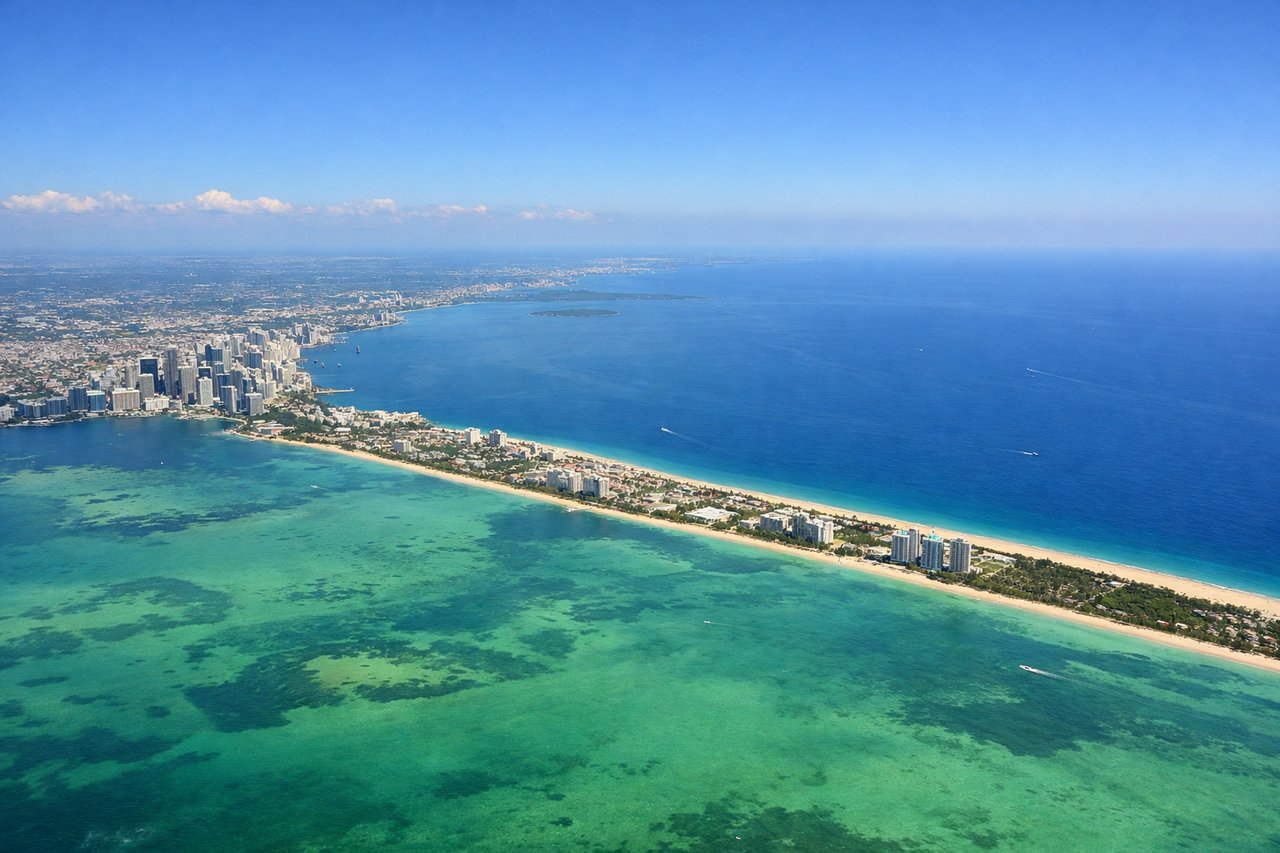
Takeoff from MIA
RIGHTDepartures from MIA on the northeast track climb out over Biscayne Bay and Miami Beach, giving right-side passengers a clear view of the barrier islands, turquoise shallows, and downtown Miami's skyline before the turn out to sea. The left side mostly shows the flat, marshy Everglades interior.
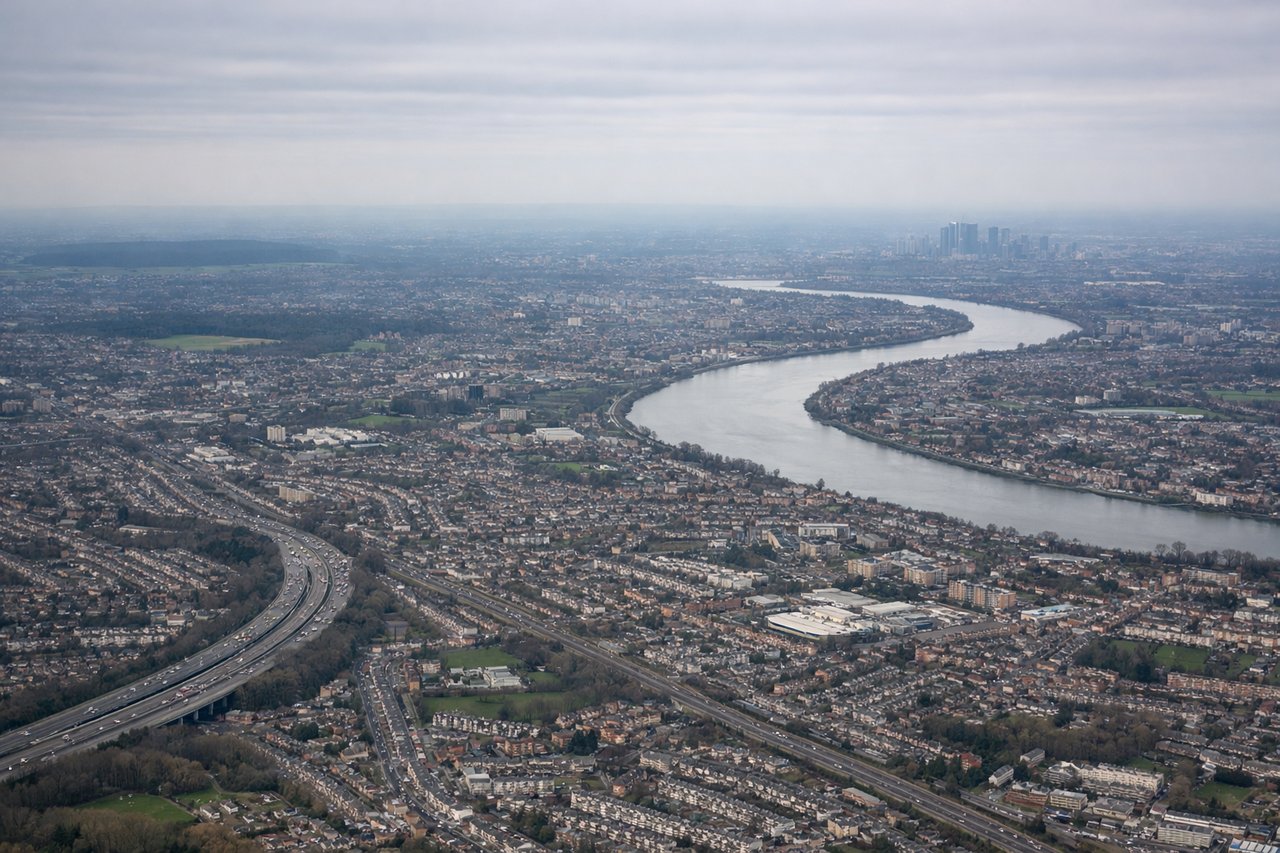
Landing at LHR
LEFTOn the typical westerly approach into Heathrow, aircraft descend from the east over central London before turning onto final for runway 27, putting the Thames, Canary Wharf, and the London Eye on the left side of the cabin. The right side during this turn mostly faces suburban Essex and Kent with fewer distinct landmarks.
Landmarks on this routeAll landmarks →
Will your flight be in sunlight?
See exactly which side of the plane gets sun and shade at your departure time.
About This Route
Which side of the plane should I sit on flying from Miami International (MIA) to Heathrow (LHR)?
Sit on the Left side of the plane for the best views on flights from Miami to London. Both sides are dominated by hours of open Atlantic, but the left side benefits from a much stronger arrival sequence, with recognizable central London landmarks passing directly beneath the aircraft, outweighing the right side's flat Everglades departure view.
What can I see during takeoff from Miami International in Miami?
During takeoff from Miami International (MIA), sit on the Right side for the best views. Departures from MIA on the northeast track climb out over Biscayne Bay and Miami Beach, giving right-side passengers a clear view of the barrier islands, turquoise shallows, and downtown Miami's skyline before the turn out to sea. The left side mostly shows the flat, marshy Everglades interior. Notable sights include: Miami Beach, Biscayne Bay, Downtown Miami skyline, Atlantic coastline.
What can I see when landing at Heathrow in London?
When landing at Heathrow (LHR), sit on the Left side for the best views. On the typical westerly approach into Heathrow, aircraft descend from the east over central London before turning onto final for runway 27, putting the Thames, Canary Wharf, and the London Eye on the left side of the cabin. The right side during this turn mostly faces suburban Essex and Kent with fewer distinct landmarks. Notable sights include: River Thames, Canary Wharf towers, London Eye and Westminster, The O2 Arena.
How long is the flight from Miami to London?
The flight from Miami International (MIA) to Heathrow (LHR) takes 8h 15m.
What does the Miami to London flight path pass over?
Open North Atlantic Ocean, with the flight path passing south of Newfoundland and near the southern tip of Greenland before making landfall over Ireland's west coast.