Memphis to New York is 963 miles (1,549 km), a flight of about 3 hours 15 minutes.
The right side scores higher due to superior landing scenery—the East River, NYC's iconic urban waterfront, and bridge infrastructure provide distinctive visual landmarks unavailable from the left. While both sides offer modest takeoff views, the right side's advantage during descent and approach (the most memorable phase of the flight) outweighs the left side's slight edge during Memphis departure. The cruise phase over the Appalachian foothills and Atlantic coastal plain is relatively unremarkable from both sides.
Flight Path
Appalachian Mountains (eastern Tennessee and western North Carolina ridgelines), Shenandoah Valley, Blue Ridge Mountains, Potomac River valley, Chesapeake Bay, Delaware Bay, New Jersey Pine Barrens, Long Island Sound
Great circle distance and headings ›
.jpeg?width=600)
.jpg?width=600)
Phase by phase
Takeoff from MEM
RIGHTNorthbound departures (runway 36) from Memphis offer views of the Mississippi River valley and the city's downtown skyline. Southbound departures (runway 18) provide less immediate urban context. Right-side seats capture the river's distinctive meanders and the broader Mississippi floodplain during initial climb.
Landing at JFK
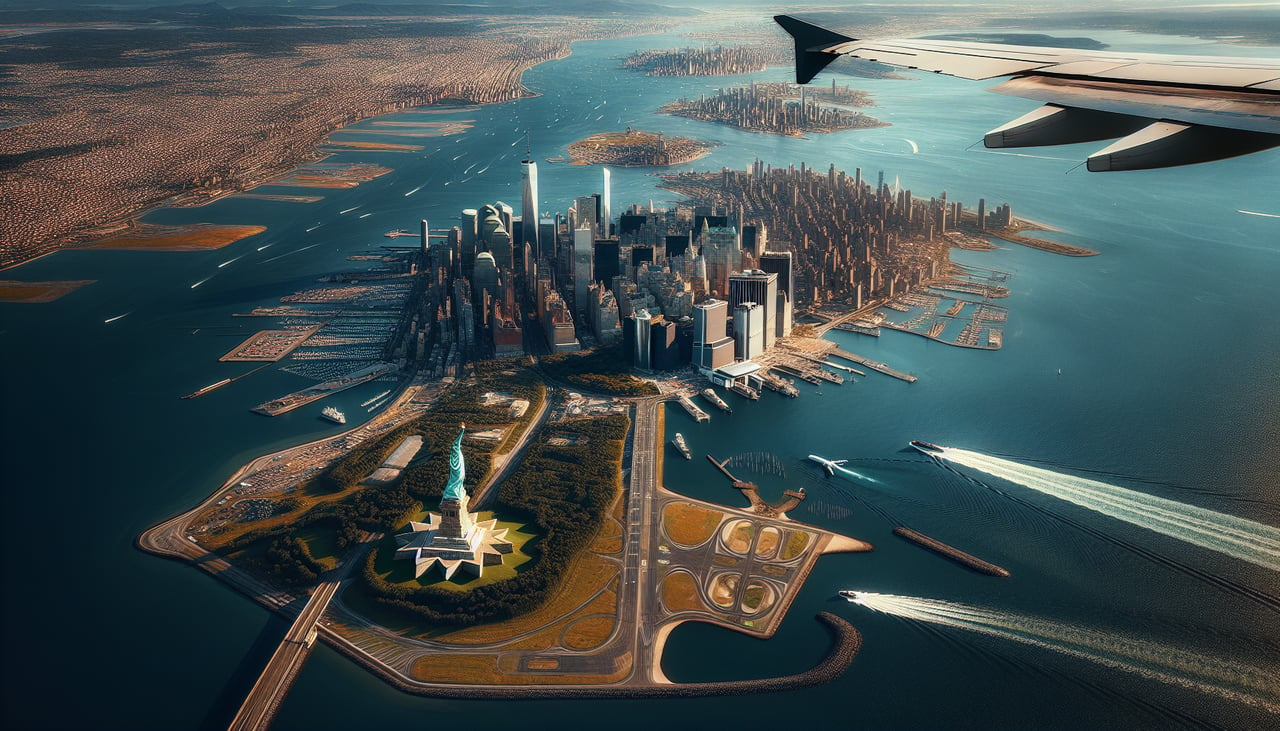
RIGHTApproaches to JFK typically descend over Long Island Sound or the Atlantic, then turn toward the runways. Right-side seats on final approach capture views of Queens, Brooklyn, and the East River waterfront, plus the distinctive urban grid of New York City. The Hudson River and Manhattan skyline are visible during the turn to final, offering iconic urban scenery unavailable from the left side.
Landmarks on this routeAll landmarks →
Will your flight be in sunlight?
Pick a date and time in the Sun Map to watch the sun move across your whole flight.
About This Route
Which side of the plane should I sit on flying from Memphis International (MEM) to John F Kennedy International (JFK)?
Sit on the Right side of the plane for the best views on flights from Memphis to New York. The right side scores higher due to superior landing scenery—the East River, NYC's iconic urban waterfront, and bridge infrastructure provide distinctive visual landmarks unavailable from the left. While both sides offer modest takeoff views, the right side's advantage during descent and approach (the most memorable phase of the flight) outweighs the left side's slight edge during Memphis departure. The cruise phase over the Appalachian foothills and Atlantic coastal plain is relatively unremarkable from both sides.
What can I see during takeoff from Memphis International in Memphis?
During takeoff from Memphis International (MEM), sit on the Right side for the best views. Northbound departures (runway 36) from Memphis offer views of the Mississippi River valley and the city's downtown skyline. Southbound departures (runway 18) provide less immediate urban context. Right-side seats capture the river's distinctive meanders and the broader Mississippi floodplain during initial climb. Notable sights include: Mississippi River with its characteristic oxbow bends, Memphis downtown skyline and Shelby County urban sprawl, Loosahatchie River confluence, Wolf River channel.
What can I see when landing at John F Kennedy International in New York?
When landing at John F Kennedy International (JFK), sit on the Right side for the best views. Approaches to JFK typically descend over Long Island Sound or the Atlantic, then turn toward the runways. Right-side seats on final approach capture views of Queens, Brooklyn, and the East River waterfront, plus the distinctive urban grid of New York City. The Hudson River and Manhattan skyline are visible during the turn to final, offering iconic urban scenery unavailable from the left side. Notable sights include: East River and its bridges, Queens and Brooklyn neighborhoods, Jamaica Bay wetlands, Atlantic Ocean approach corridor.
How long is the flight from Memphis to New York?
The flight from Memphis International (MEM) to John F Kennedy International (JFK) takes about 3 hours 15 minutes. The shortest flight path between them is 963 miles (1,549 km); winds and air traffic control usually add a few percent.
What does the Memphis to New York flight path pass over?
Appalachian Mountains (eastern Tennessee and western North Carolina ridgelines), Shenandoah Valley, Blue Ridge Mountains, Potomac River valley, Chesapeake Bay, Delaware Bay, New Jersey Pine Barrens, Long Island Sound