While takeoff offers brief but scenic views of Minnesota's river and lake systems on the right, the landing approach into Shanghai provides far more dramatic and extended scenery. The Yangtze estuary, Hangzhou Bay, and Pudong's iconic skyline visible on the left during descent make this the superior choice for the full journey.
Flight Path
Over the North Pacific, the flight passes north of Japan (visible on clear days: Mount Fuji, Japanese Alps, and the Japanese coastline). The route typically crosses the Aleutian Islands or passes near them. Over eastern Russia, the Kamchatka Peninsula and its volcanic peaks may be visible on clear days. Approaching China, the flight crosses the East China Sea and may offer views of the Korean Peninsula and Yellow Sea depending on exact routing.
Great circle distance and headings ›
.jpg?width=600)

Phase by phase
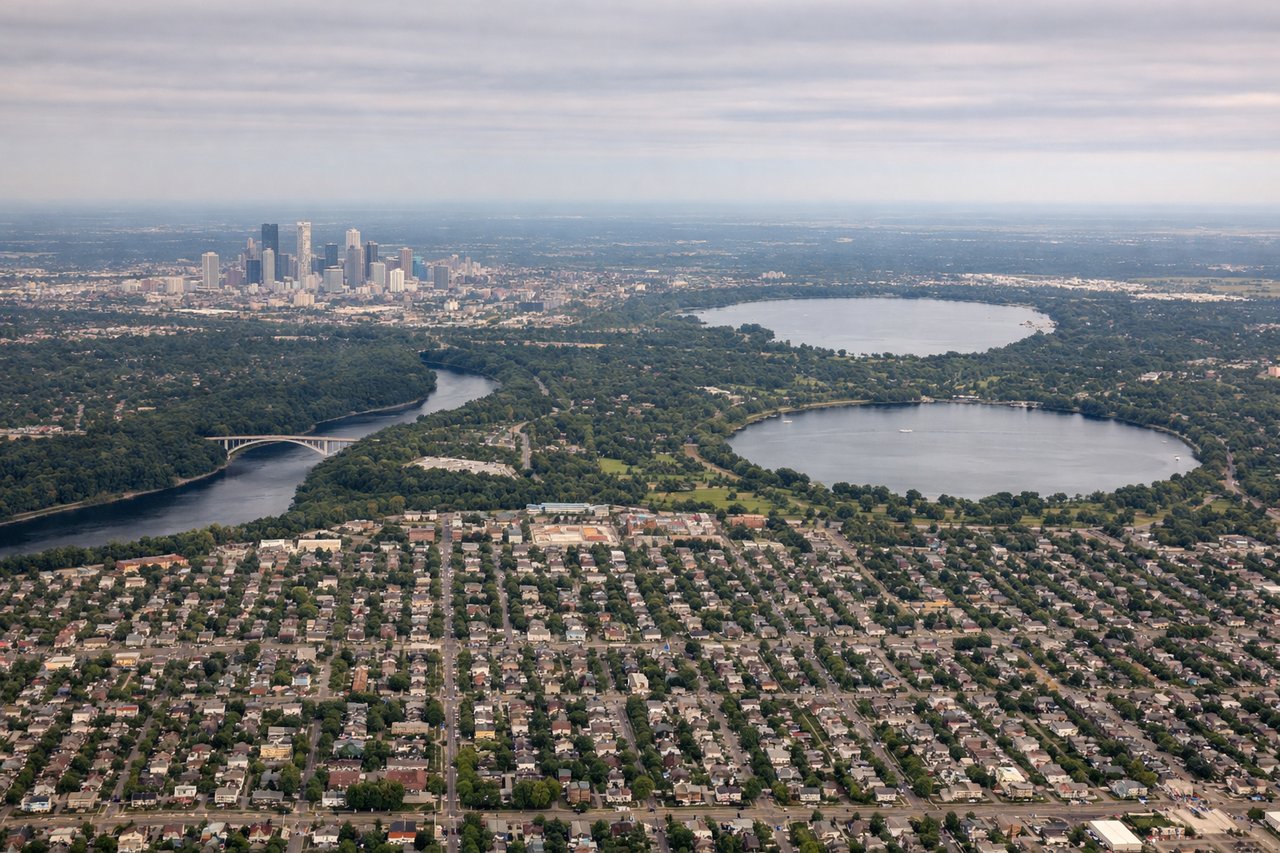
Takeoff from MSP
RIGHTRight-side seats offer views of the Mississippi River valley and Minnesota's lake country as the aircraft climbs northeastward out of MSP. The river's meandering path and surrounding forested terrain are clearly visible during the initial climb phase.
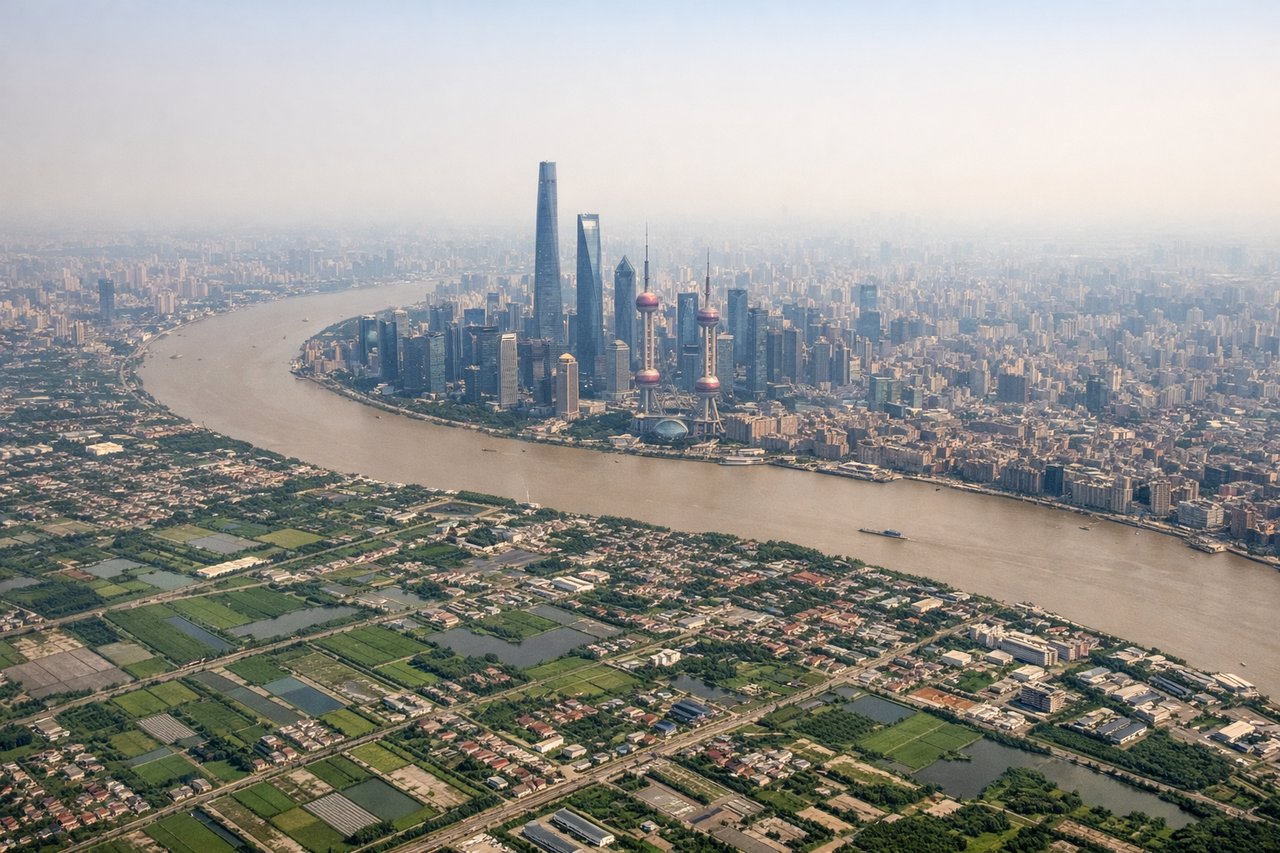
Landing at PVG
LEFTLeft-side seats provide excellent views during descent into Shanghai as the aircraft approaches from the northwest. Passengers see the Yangtze River estuary, Hangzhou Bay, and the distinctive urban sprawl of Shanghai's Pudong district with its high-rise skyline.
Landmarks on this routeAll landmarks →
Will your flight be in sunlight?
See exactly which side of the plane gets sun and shade at your departure time.
About This Route
Which side of the plane should I sit on flying from Minneapolis St Paul International (MSP) to Shanghai Pudong International (PVG)?
Sit on the Left side of the plane for the best views on flights from Minneapolis to Shanghai. While takeoff offers brief but scenic views of Minnesota's river and lake systems on the right, the landing approach into Shanghai provides far more dramatic and extended scenery. The Yangtze estuary, Hangzhou Bay, and Pudong's iconic skyline visible on the left during descent make this the superior choice for the full journey.
What can I see during takeoff from Minneapolis St Paul International in Minneapolis?
During takeoff from Minneapolis St Paul International (MSP), sit on the Right side for the best views. Right-side seats offer views of the Mississippi River valley and Minnesota's lake country as the aircraft climbs northeastward out of MSP. The river's meandering path and surrounding forested terrain are clearly visible during the initial climb phase. Notable sights include: Mississippi River, Minnesota River confluence, Chain of Lakes (Minneapolis urban lakes), Minnesota deciduous forest canopy.
What can I see when landing at Shanghai Pudong International in Shanghai?
When landing at Shanghai Pudong International (PVG), sit on the Left side for the best views. Left-side seats provide excellent views during descent into Shanghai as the aircraft approaches from the northwest. Passengers see the Yangtze River estuary, Hangzhou Bay, and the distinctive urban sprawl of Shanghai's Pudong district with its high-rise skyline. Notable sights include: Yangtze River estuary, Hangzhou Bay, Shanghai Pudong skyline, East China Sea coastline.
How long is the flight from Minneapolis to Shanghai?
The flight from Minneapolis St Paul International (MSP) to Shanghai Pudong International (PVG) takes Approximately 16-17 hours (including one stop, typically in Tokyo or Seoul) or 14-15 hours nonstop depending on routing and winds.
What does the Minneapolis to Shanghai flight path pass over?
Over the North Pacific, the flight passes north of Japan (visible on clear days: Mount Fuji, Japanese Alps, and the Japanese coastline). The route typically crosses the Aleutian Islands or passes near them. Over eastern Russia, the Kamchatka Peninsula and its volcanic peaks may be visible on clear days. Approaching China, the flight crosses the East China Sea and may offer views of the Korean Peninsula and Yellow Sea depending on exact routing.