While takeoff offers brief estuary views, the landing approach over the Vistula River and Warsaw's urban-rural transition is more sustained and visually striking. Right seats capture the river's distinctive meanders and the dramatic shift from farmland to city.
Flight Path
The flight crosses the South Atlantic, then the African continent (Sahara Desert visible as tan expanses, Congo Basin rainforest as dark green), the Mediterranean Sea, and southern Europe. Notable midpoint landmarks include the Atlas Mountains (Morocco/Algeria), the Nile River delta (Egypt), and the Alps (France/Switzerland) during the final approach to European airspace. Most of these are visible only on clear days and depend on exact routing, but the Sahara and Mediterranean are nearly always visible on this southern transatlantic corridor.
Great circle distance and headings ›


.jpg?width=600)
.jpg?width=600)

Phase by phase
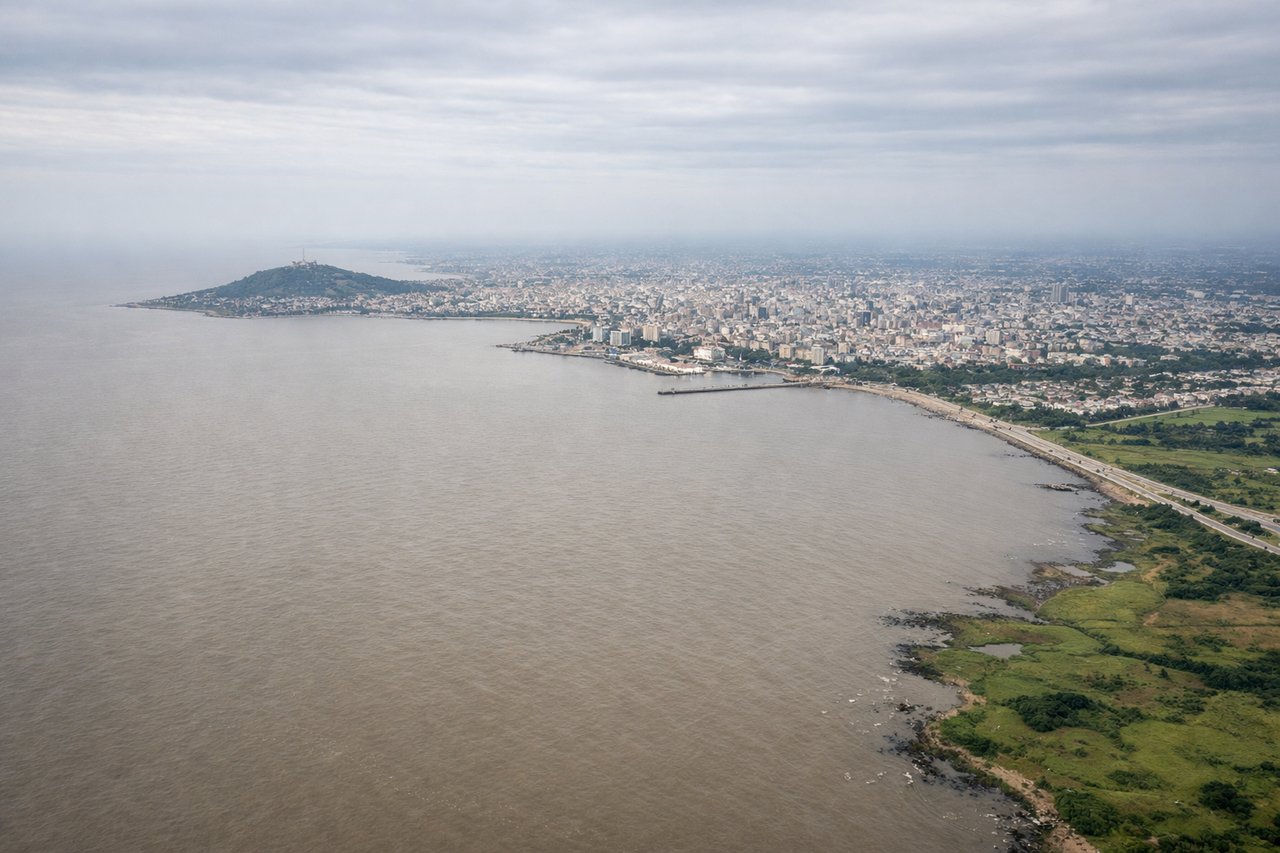
Takeoff from MVD
LEFTLeft seats offer views of the Río de la Plata estuary and the Atlantic coastline as the aircraft climbs northeast from Carrasco. The wide muddy waters and coastal marshlands are distinctive and visible for the first 10–15 minutes of flight.
Landing at WAW
RIGHTRight seats provide views of the Vistula River valley and the flat agricultural plains surrounding Warsaw during descent. The river's meandering course and the transition from rural farmland to urban sprawl are visually clear and geographically distinctive.
Landmarks on this routeAll landmarks →
Will your flight be in sunlight?
See exactly which side of the plane gets sun and shade at your departure time.
About This Route
Which side of the plane should I sit on flying from Carrasco International (MVD) to Okecie (WAW)?
Sit on the Right side of the plane for the best views on flights from Montevideo to Warsaw. While takeoff offers brief estuary views, the landing approach over the Vistula River and Warsaw's urban-rural transition is more sustained and visually striking. Right seats capture the river's distinctive meanders and the dramatic shift from farmland to city.
What can I see during takeoff from Carrasco International in Montevideo?
During takeoff from Carrasco International (MVD), sit on the Left side for the best views. Left seats offer views of the Río de la Plata estuary and the Atlantic coastline as the aircraft climbs northeast from Carrasco. The wide muddy waters and coastal marshlands are distinctive and visible for the first 10–15 minutes of flight. Notable sights include: Río de la Plata estuary, Atlantic coastline, Montevideo urban sprawl, Punta del Este peninsula (distant).
What can I see when landing at Okecie in Warsaw?
When landing at Okecie (WAW), sit on the Right side for the best views. Right seats provide views of the Vistula River valley and the flat agricultural plains surrounding Warsaw during descent. The river's meandering course and the transition from rural farmland to urban sprawl are visually clear and geographically distinctive. Notable sights include: Vistula River and its meanders, Warsaw urban area, flat Polish agricultural plains, Masovian Lowland terrain.
How long is the flight from Montevideo to Warsaw?
The flight from Carrasco International (MVD) to Okecie (WAW) takes 13h 15m.
What does the Montevideo to Warsaw flight path pass over?
The flight crosses the South Atlantic, then the African continent (Sahara Desert visible as tan expanses, Congo Basin rainforest as dark green), the Mediterranean Sea, and southern Europe. Notable midpoint landmarks include the Atlas Mountains (Morocco/Algeria), the Nile River delta (Egypt), and the Alps (France/Switzerland) during the final approach to European airspace. Most of these are visible only on clear days and depend on exact routing, but the Sahara and Mediterranean are nearly always visible on this southern transatlantic corridor.