Left side scores higher due to superior takeoff scenery (Milan urban landscape, Alpine foothills, river valley) that outweighs the right side's landing advantage. The full flight experience favors the left: Milan's distinctive urban grid and the dramatic transition from flat Lombardy to Alpine terrain during climb-out provide more sustained visual interest than the right side's concentrated but brief coastal approach. The cruise phase over the Apennines and central Italy also favors the left side's perspective of mountain ridges and valleys.
Flown MXP to AGP? Did we get it right?
Flight Path
Milano to Malaga is 923 miles (1,486 km), a flight of about 2 hours 15 minutes.
Apennine Mountains (central spine of Italy with visible ridges and valleys), Tyrrhenian Sea coast near Tuscany, Corsica (island visible as a distinct landmass), transition from Italian mainland to Mediterranean approaches toward Spain, Sierra Nevada foothills visible as terrain rises toward southern Spain
Great circle distance and headings ›Phase by phase
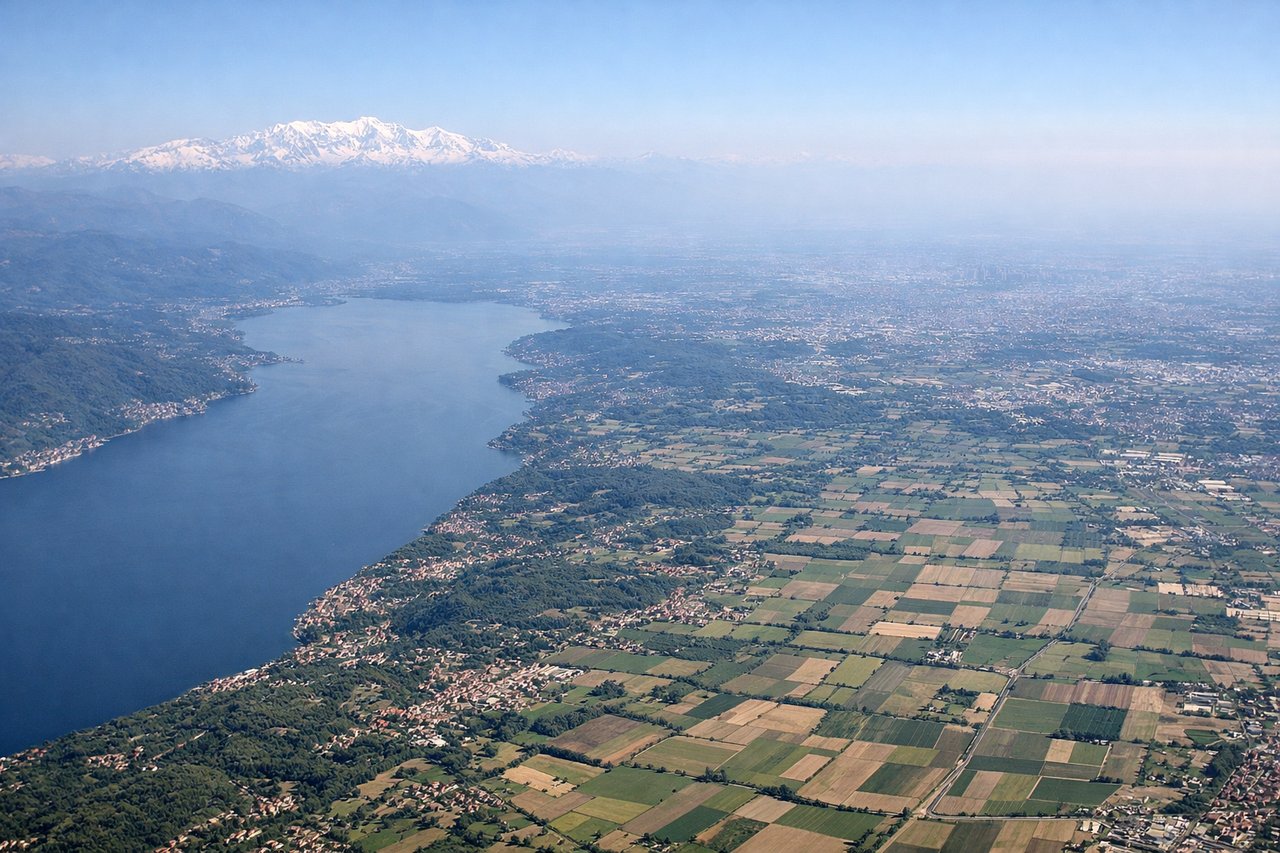
Takeoff from MXP
LEFTLeft side captures the Milan metropolitan area and the southern Alpine foothills during northbound departure (runway 35). The Ticino River valley and pre-Alpine terrain provide immediate visual interest as the aircraft climbs away from Malpensa.
Landing at AGP
RIGHTRight side offers superior approach scenery into Málaga. Under typical westerly Poniente winds (runway 31 arrivals from northwest), the aircraft descends over the Mediterranean coast, the Montes de Málaga, and the city's harbor and beachfront. The coastal approach is visually dramatic and distinctive.
Will your flight be in sunlight?
Pick a date and time in the Sun Map to watch the sun move across your whole flight.
About This Route
Which side of the plane should I sit on flying from Malpensa (MXP) to Malaga (AGP)?
Sit on the Left side of the plane for the best views on flights from Milano to Malaga. Left side scores higher due to superior takeoff scenery (Milan urban landscape, Alpine foothills, river valley) that outweighs the right side's landing advantage. The full flight experience favors the left: Milan's distinctive urban grid and the dramatic transition from flat Lombardy to Alpine terrain during climb-out provide more sustained visual interest than the right side's concentrated but brief coastal approach. The cruise phase over the Apennines and central Italy also favors the left side's perspective of mountain ridges and valleys.
What can I see during takeoff from Malpensa in Milano?
During takeoff from Malpensa (MXP), sit on the Left side for the best views. Left side captures the Milan metropolitan area and the southern Alpine foothills during northbound departure (runway 35). The Ticino River valley and pre-Alpine terrain provide immediate visual interest as the aircraft climbs away from Malpensa. Notable sights include: Milan city sprawl and urban grid, Ticino River valley, Southern Alpine foothills (Prealpi Lombarde), Lake Como in the distance to the northeast.
What can I see when landing at Malaga in Malaga?
When landing at Malaga (AGP), sit on the Right side for the best views. Right side offers superior approach scenery into Málaga. Under typical westerly Poniente winds (runway 31 arrivals from northwest), the aircraft descends over the Mediterranean coast, the Montes de Málaga, and the city's harbor and beachfront. The coastal approach is visually dramatic and distinctive. Notable sights include: Mediterranean Sea and Costa del Sol beaches, Montes de Málaga (coastal mountain range), Málaga city harbor and waterfront, Sierra de Mijas to the west.
How long is the flight from Milano to Malaga?
The flight from Malpensa (MXP) to Malaga (AGP) takes about 2 hours 15 minutes. The shortest flight path between them is 923 miles (1,486 km); winds and air traffic control usually add a few percent.
What does the Milano to Malaga flight path pass over?
Apennine Mountains (central spine of Italy with visible ridges and valleys), Tyrrhenian Sea coast near Tuscany, Corsica (island visible as a distinct landmass), transition from Italian mainland to Mediterranean approaches toward Spain, Sierra Nevada foothills visible as terrain rises toward southern Spain