While the takeoff offers Alpine scenery, the landing approach provides more dramatic and sustained visual interest with Table Mountain and False Bay. The approach views are more iconic and visually distinctive than the departure.
Flown MXP to CPT? Did we get it right?
Flight Path
Milano to Cape Town is 5,535 miles (8,907 km), a flight of about 11 hours 15 minutes.
Mediterranean coastline (southern France and Spain), Atlas Mountains (Morocco and Algeria), Sahara Desert (vast sand seas and rock plateaus visible for 3-4 hours), Sub-Saharan savanna and grasslands (Angola and Zambia), scattered lakes and river valleys in central Africa
Great circle distance and headings ›


Phase by phase
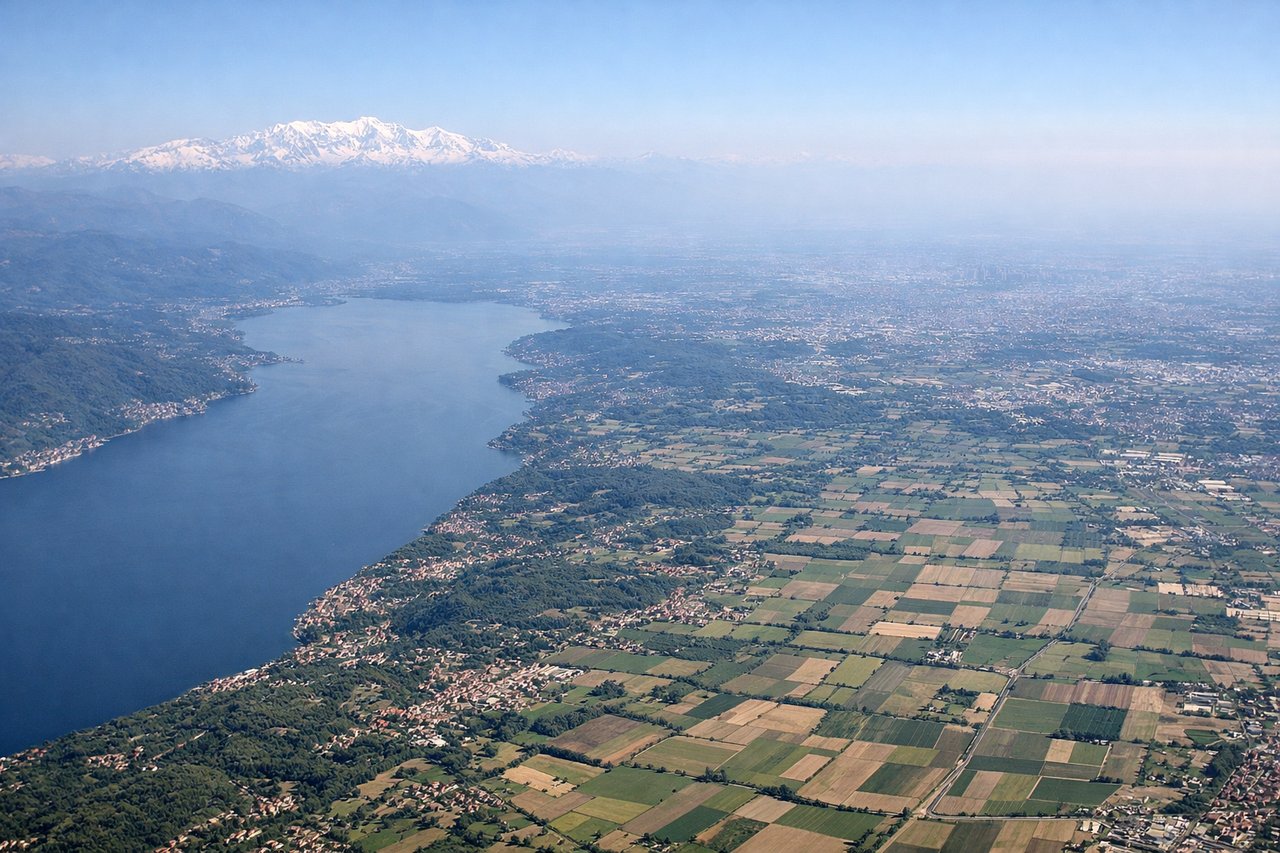
Takeoff from MXP
LEFTLeft side offers immediate views of the Alps as the aircraft climbs northwestward from Malpensa. The mountain range dominates the western and northern horizon during the initial climb phase, providing dramatic relief and snow-capped peaks.
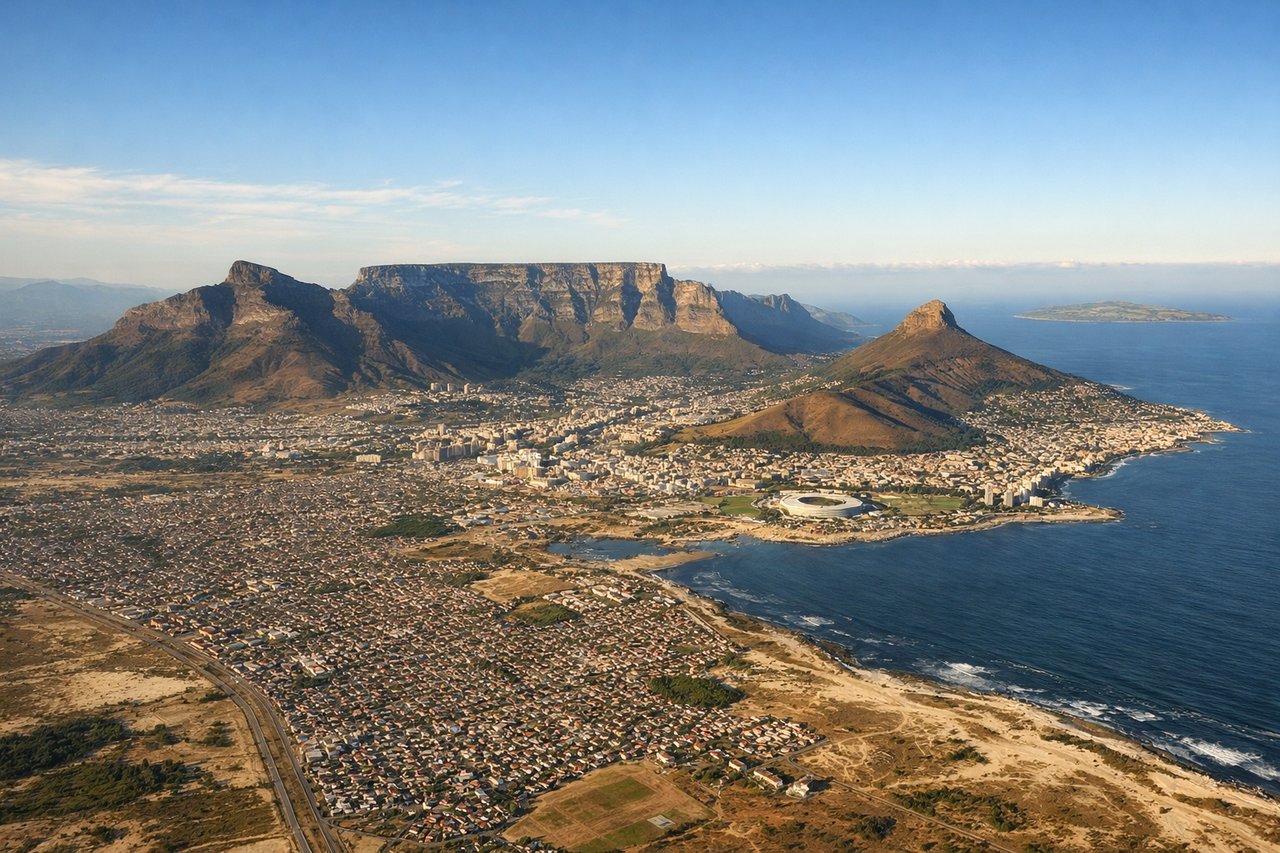
Landing at CPT
RIGHTRight side provides the best views during the final approach into Cape Town. The aircraft descends over False Bay and Table Mountain dominates the right side of the cabin, with the Atlantic coastline and Cape Peninsula clearly visible.
Will your flight be in sunlight?
Pick a date and time in the Sun Map to watch the sun move across your whole flight.
About This Route
Which side of the plane should I sit on flying from Malpensa (MXP) to Cape Town International (CPT)?
Sit on the Right side of the plane for the best views on flights from Milano to Cape Town. While the takeoff offers Alpine scenery, the landing approach provides more dramatic and sustained visual interest with Table Mountain and False Bay. The approach views are more iconic and visually distinctive than the departure.
What can I see during takeoff from Malpensa in Milano?
During takeoff from Malpensa (MXP), sit on the Left side for the best views. Left side offers immediate views of the Alps as the aircraft climbs northwestward from Malpensa. The mountain range dominates the western and northern horizon during the initial climb phase, providing dramatic relief and snow-capped peaks. Notable sights include: Alps (Mont Blanc massif visible on clear days), Lake Como (Lago di Como) to the northeast, Po River valley floor, Apennine foothills to the south.
What can I see when landing at Cape Town International in Cape Town?
When landing at Cape Town International (CPT), sit on the Right side for the best views. Right side provides the best views during the final approach into Cape Town. The aircraft descends over False Bay and Table Mountain dominates the right side of the cabin, with the Atlantic coastline and Cape Peninsula clearly visible. Notable sights include: Table Mountain, False Bay, Cape Peninsula, Atlantic coastline.
How long is the flight from Milano to Cape Town?
The flight from Malpensa (MXP) to Cape Town International (CPT) takes about 11 hours 15 minutes. The shortest flight path between them is 5,535 miles (8,907 km); winds and air traffic control usually add a few percent.
What does the Milano to Cape Town flight path pass over?
Mediterranean coastline (southern France and Spain), Atlas Mountains (Morocco and Algeria), Sahara Desert (vast sand seas and rock plateaus visible for 3-4 hours), Sub-Saharan savanna and grasslands (Angola and Zambia), scattered lakes and river valleys in central Africa