The right side wins overall. The takeoff view over the Po Valley with the Alps backdrop is genuinely scenic, and during the cruise the right side tracks the Arabian Peninsula coastline on descent. The left side has a strong landing advantage but the takeoff and mid-flight views on the right — including glimpses of the Aegean islands, Cyprus, and the Syrian/Iraqi desert transition — edge it out across the full journey.
Flown MXP to DOH? Did we get it right?
Flight Path
Milano to Doha is 2,748 miles (4,423 km), a flight of about 5 hours 45 minutes.
The route crosses the Adriatic Sea, then Greece and the Aegean Sea where islands like Crete or Rhodes may be visible depending on exact routing. The flight then passes over the eastern Mediterranean, Cyprus is often visible, then crosses into Lebanon/Syria airspace before tracking over Iraq and Kuwait. The Mesopotamian plain between the Tigris and Euphrates rivers is visible as flat, largely arid terrain with river channels. The final descent crosses the northeastern Saudi Arabian desert before reaching the Qatar peninsula.
Great circle distance and headings ›


Phase by phase
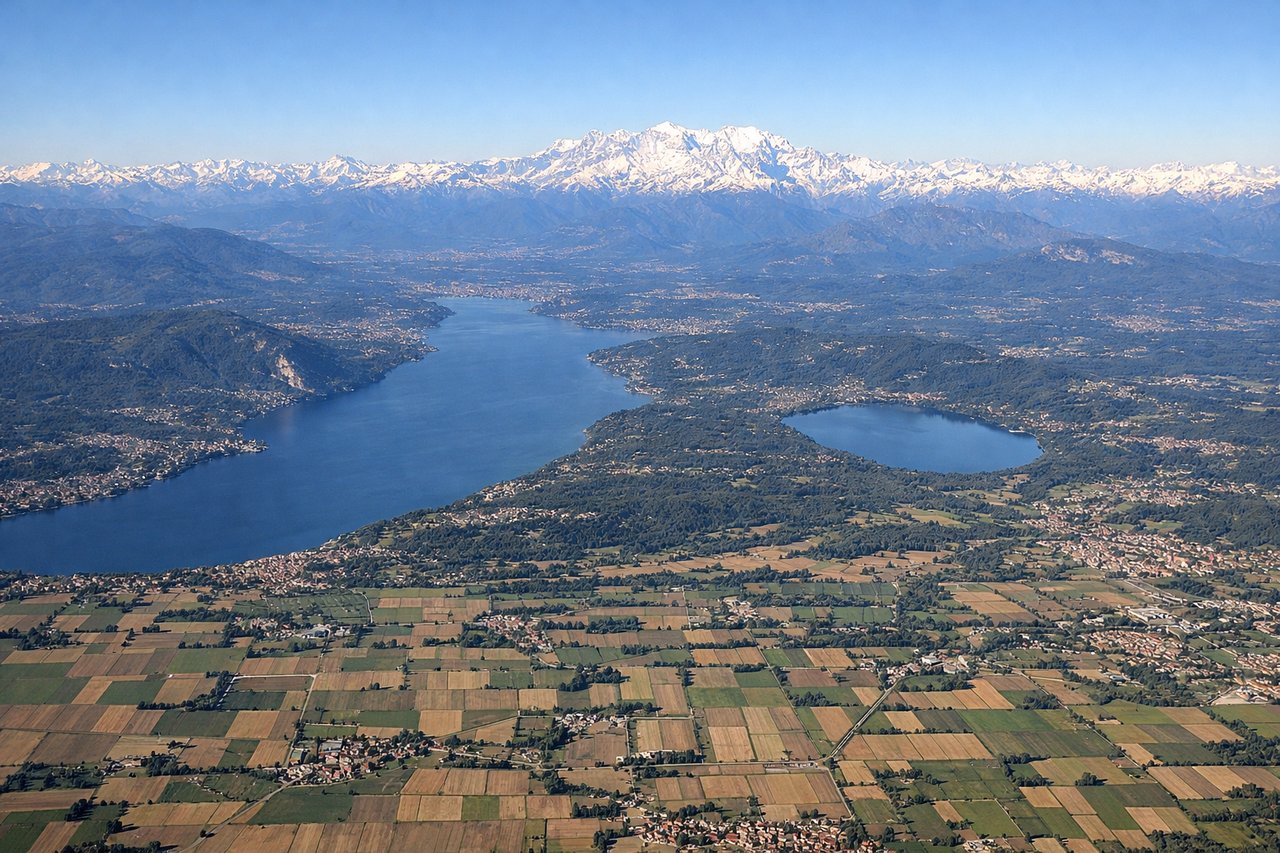
Takeoff from MXP
RIGHTMalpensa typically departs on runway 35R/35L heading north, then turns southeast toward the route. The right side gives you a clear view of Milan's urban sprawl and then the Po Valley stretching east, with the Alps visible to the north as you climb. Left side faces west toward less distinctive terrain.
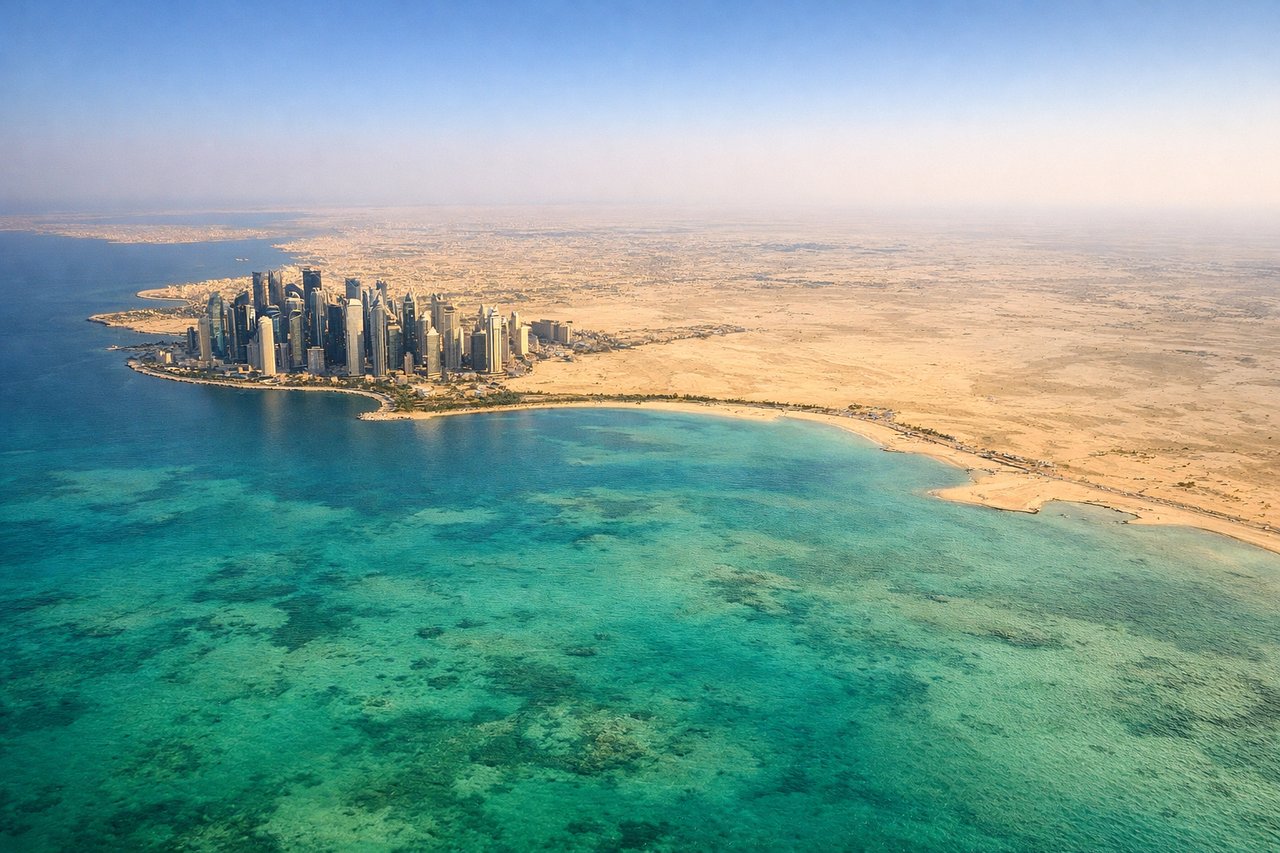
Landing at DOH
LEFTDoha's airport typically uses runways oriented roughly northeast-southwest. On approach from the northwest, the left side faces the Doha city skyline and the shallow turquoise waters of the Persian Gulf. The right side looks toward the flat desert interior with little of visual interest.
Will your flight be in sunlight?
Pick a date and time in the Sun Map to watch the sun move across your whole flight.
About This Route
Which side of the plane should I sit on flying from Malpensa (MXP) to Hamad International Airport (DOH)?
Sit on the Right side of the plane for the best views on flights from Milano to Doha. The right side wins overall. The takeoff view over the Po Valley with the Alps backdrop is genuinely scenic, and during the cruise the right side tracks the Arabian Peninsula coastline on descent. The left side has a strong landing advantage but the takeoff and mid-flight views on the right — including glimpses of the Aegean islands, Cyprus, and the Syrian/Iraqi desert transition — edge it out across the full journey.
What can I see during takeoff from Malpensa in Milano?
During takeoff from Malpensa (MXP), sit on the Right side for the best views. Malpensa typically departs on runway 35R/35L heading north, then turns southeast toward the route. The right side gives you a clear view of Milan's urban sprawl and then the Po Valley stretching east, with the Alps visible to the north as you climb. Left side faces west toward less distinctive terrain. Notable sights include: Po Valley flatlands, Lake Maggiore (northwest), Milan city center to the southeast, Alps foothills to the north.
What can I see when landing at Hamad International Airport in Doha?
When landing at Hamad International Airport (DOH), sit on the Left side for the best views. Doha's airport typically uses runways oriented roughly northeast-southwest. On approach from the northwest, the left side faces the Doha city skyline and the shallow turquoise waters of the Persian Gulf. The right side looks toward the flat desert interior with little of visual interest. Notable sights include: Doha city skyline (West Bay district), Persian Gulf shallow turquoise waters, Qatar peninsula coastline, Palm Tree Island area near the corniche.
How long is the flight from Milano to Doha?
The flight from Malpensa (MXP) to Hamad International Airport (DOH) takes about 5 hours 45 minutes. The shortest flight path between them is 2,748 miles (4,423 km); winds and air traffic control usually add a few percent.
What does the Milano to Doha flight path pass over?
The route crosses the Adriatic Sea, then Greece and the Aegean Sea where islands like Crete or Rhodes may be visible depending on exact routing. The flight then passes over the eastern Mediterranean, Cyprus is often visible, then crosses into Lebanon/Syria airspace before tracking over Iraq and Kuwait. The Mesopotamian plain between the Tigris and Euphrates rivers is visible as flat, largely arid terrain with river channels. The final descent crosses the northeastern Saudi Arabian desert before reaching the Qatar peninsula.