Left side wins at both ends of the flight. During the cruise at 35,000 feet over France the views are less dramatic, but the left side still faces south toward the French Alps early in the flight and later gives a better angle on the English Channel crossing near Dieppe. Consistent advantage throughout.
Flown MXP to LGW? Did we get it right?
Flight Path
Milano to London is 558 miles (899 km), a flight of about 2 hours 10 minutes.
The flight tracks northwest over the Swiss-French border region, then across the Jura mountains, over Burgundy and the Paris Basin, crossing the Seine valley south of Paris, then over Normandy or Picardy farmland before crossing the English Channel near Dieppe or Boulogne, entering England over the South Downs or Kent coast
Great circle distance and headings ›


Phase by phase
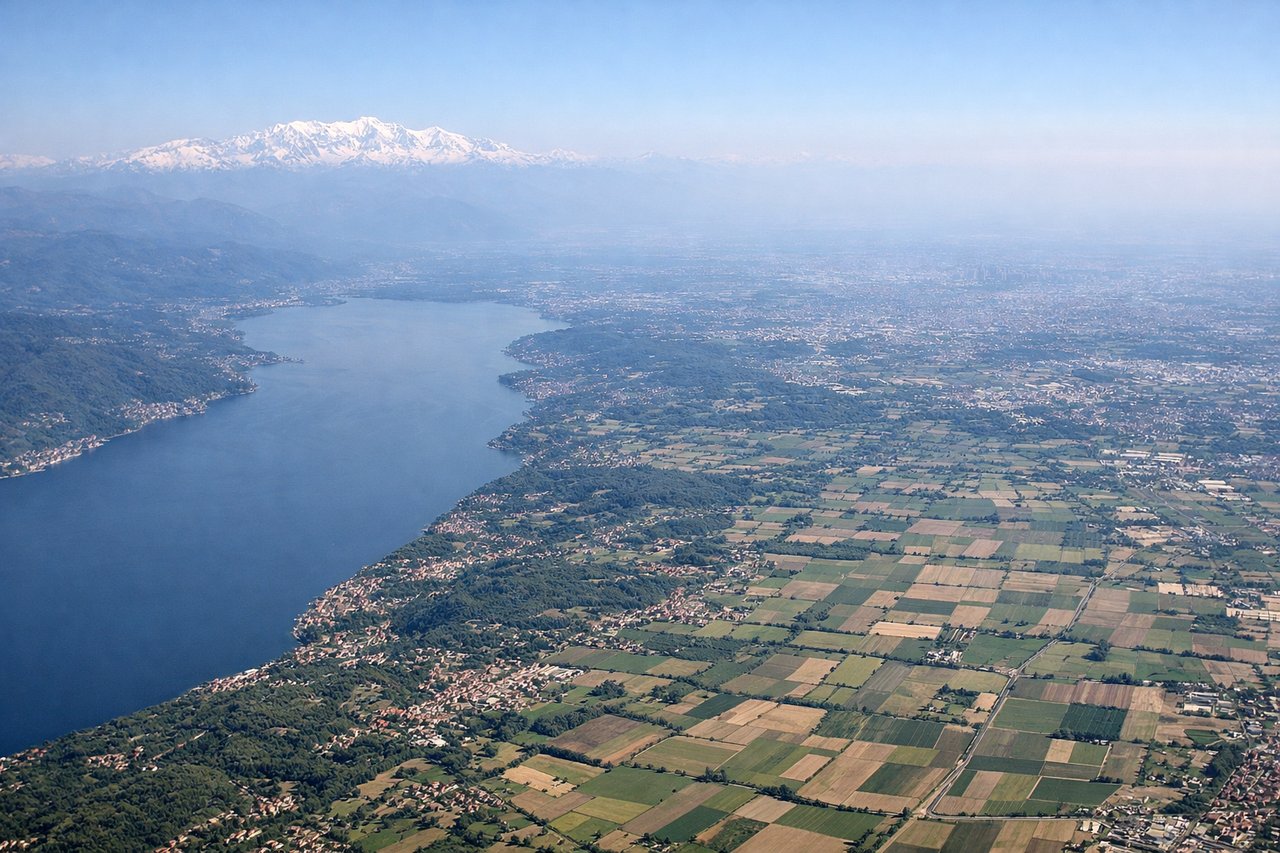
Takeoff from MXP
LEFTMalpensa typically departs on runway 35L/35R heading roughly north, then turns northwest toward the Alps. The left side gives you a clear view east toward Lake Maggiore and the pre-Alpine foothills as you climb out, with the Po Valley spreading out below. As the aircraft banks left onto its northwest heading, the left side then faces the Swiss Alps directly.
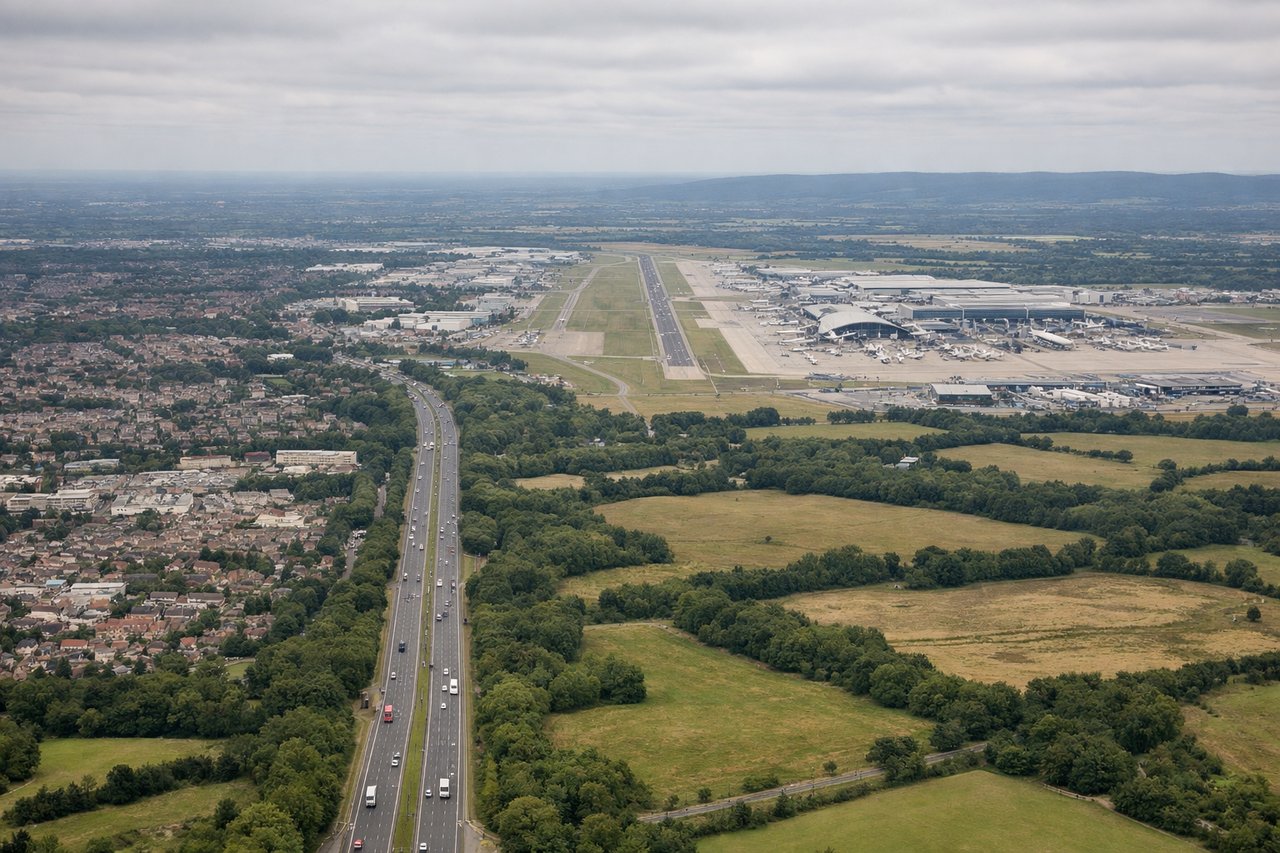
Landing at LGW
LEFTGatwick predominantly uses runway 26L/26R for westerly landings or 08R/08L for easterly approaches. On the common westerly approach from the east, the left side faces south over the Surrey and Sussex countryside, giving views of the South Downs ridge. On an easterly approach, the left side looks north toward Greater London, with the city sprawl clearly visible including the Thames snaking through it.
Will your flight be in sunlight?
Pick a date and time in the Sun Map to watch the sun move across your whole flight.
About This Route
Which side of the plane should I sit on flying from Malpensa (MXP) to Gatwick (LGW)?
Sit on the Left side of the plane for the best views on flights from Milano to London. Left side wins at both ends of the flight. During the cruise at 35,000 feet over France the views are less dramatic, but the left side still faces south toward the French Alps early in the flight and later gives a better angle on the English Channel crossing near Dieppe. Consistent advantage throughout.
What can I see during takeoff from Malpensa in Milano?
During takeoff from Malpensa (MXP), sit on the Left side for the best views. Malpensa typically departs on runway 35L/35R heading roughly north, then turns northwest toward the Alps. The left side gives you a clear view east toward Lake Maggiore and the pre-Alpine foothills as you climb out, with the Po Valley spreading out below. As the aircraft banks left onto its northwest heading, the left side then faces the Swiss Alps directly. Notable sights include: Lake Maggiore (Lago Maggiore) to the east during initial climb, the Ticino river valley below, the Swiss Alps on the horizon as you turn northwest, and the broad flat Po Valley receding behind you to the south.
What can I see when landing at Gatwick in London?
When landing at Gatwick (LGW), sit on the Left side for the best views. Gatwick predominantly uses runway 26L/26R for westerly landings or 08R/08L for easterly approaches. On the common westerly approach from the east, the left side faces south over the Surrey and Sussex countryside, giving views of the South Downs ridge. On an easterly approach, the left side looks north toward Greater London, with the city sprawl clearly visible including the Thames snaking through it. Notable sights include: The Thames river and Greater London sprawl to the north on easterly approaches, the South Downs ridge to the south, the Weald of Kent and Sussex farmland patchwork below, and the M23/M25 motorway interchange visible near the airport.
How long is the flight from Milano to London?
The flight from Malpensa (MXP) to Gatwick (LGW) takes about 2 hours 10 minutes. The shortest flight path between them is 558 miles (899 km); winds and air traffic control usually add a few percent.
What does the Milano to London flight path pass over?
The flight tracks northwest over the Swiss-French border region, then across the Jura mountains, over Burgundy and the Paris Basin, crossing the Seine valley south of Paris, then over Normandy or Picardy farmland before crossing the English Channel near Dieppe or Boulogne, entering England over the South Downs or Kent coast