The right side captures the only real terrain interest on this route—the Alpine foothills near Malpensa on departure and the St. Lawrence River/Montreal skyline on arrival—while the left side sees mostly flat plains and open ocean for nearly the entire flight.
Flown MXP to YUL? Did we get it right?
Flight Path
Milano to Montreal is 3,799 miles (6,114 km), a flight of about 9 hours 15 minutes.
Extended cruise over the North Atlantic, passing north of Ireland and south of Iceland, with a chance of sighting the icy southern tip of Greenland or pack ice near the Labrador Sea before descending toward eastern Canada.
Great circle distance and headings ›


Phase by phase
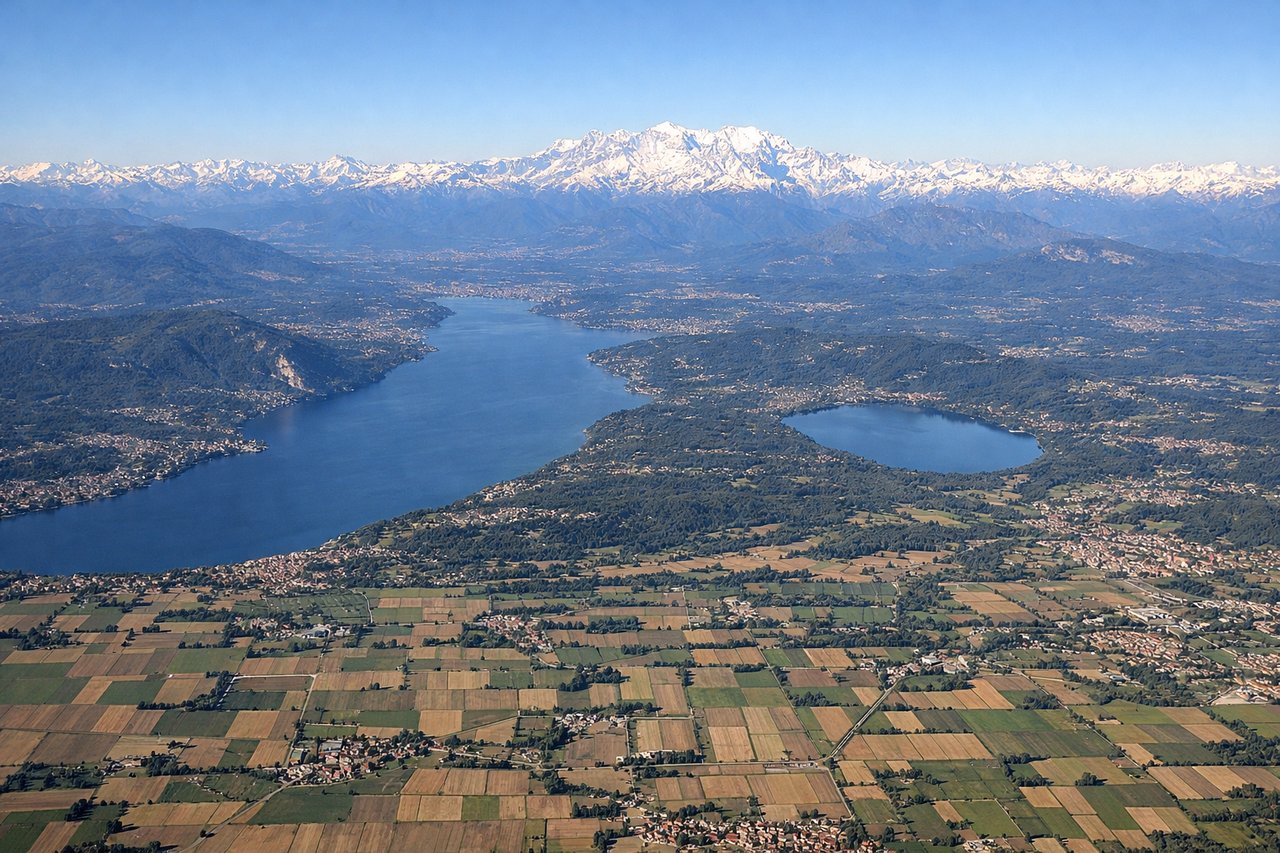
Takeoff from MXP
RIGHTDeparting MXP on the 35 runways, the aircraft climbs north before turning west toward France; that turn swings the Alpine foothills and Lake Maggiore into view on the right side. The left side mostly shows the flat, hazy Po Valley.
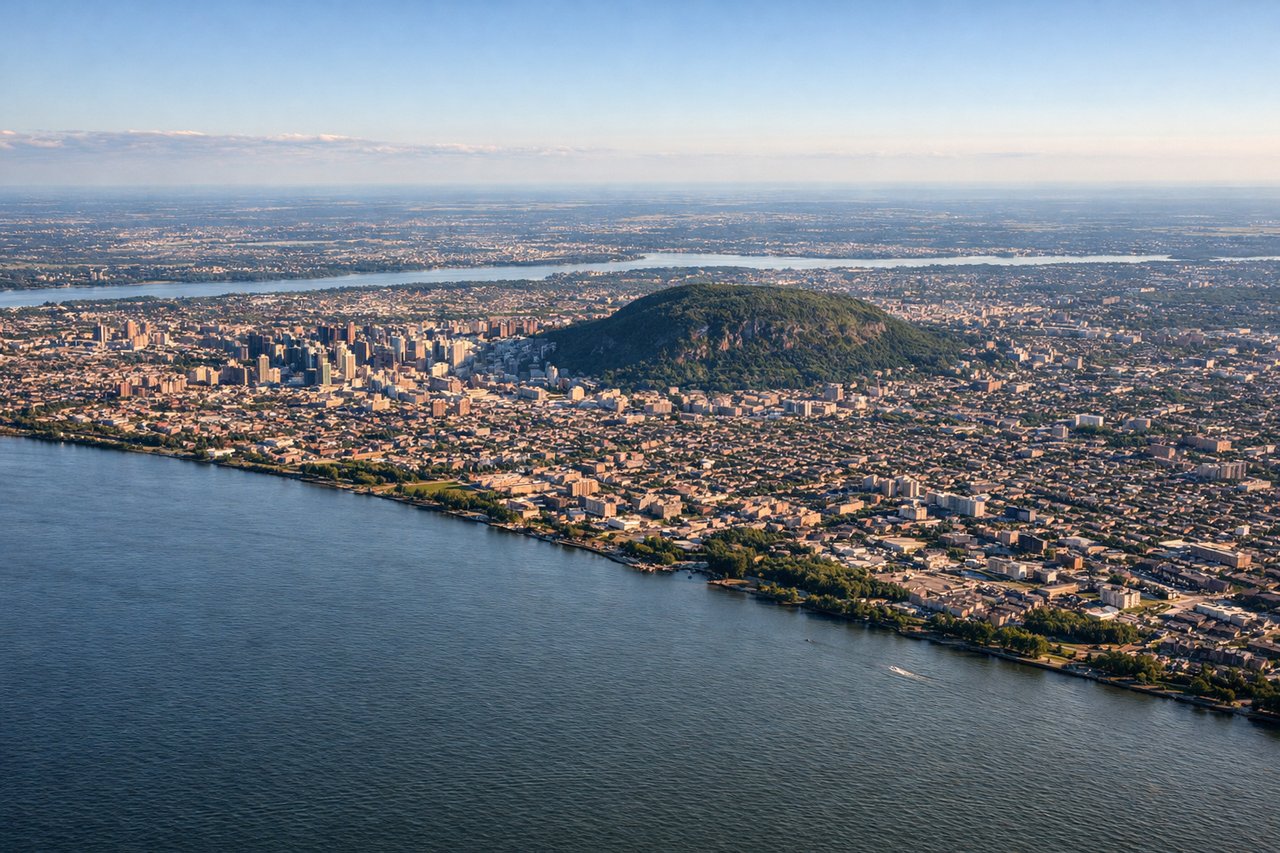
Landing at YUL
RIGHTArrivals into YUL typically approach from the northeast toward runway 24, curving over the St. Lawrence River past the island of Montreal. This puts downtown Montreal, Mount Royal, and the river's bends on the right side of the aircraft.
Will your flight be in sunlight?
Pick a date and time in the Sun Map to watch the sun move across your whole flight.
About This Route
Which side of the plane should I sit on flying from Malpensa (MXP) to Montreal International Dorval (YUL)?
Sit on the Right side of the plane for the best views on flights from Milano to Montreal. The right side captures the only real terrain interest on this route—the Alpine foothills near Malpensa on departure and the St. Lawrence River/Montreal skyline on arrival—while the left side sees mostly flat plains and open ocean for nearly the entire flight.
What can I see during takeoff from Malpensa in Milano?
During takeoff from Malpensa (MXP), sit on the Right side for the best views. Departing MXP on the 35 runways, the aircraft climbs north before turning west toward France; that turn swings the Alpine foothills and Lake Maggiore into view on the right side. The left side mostly shows the flat, hazy Po Valley. Notable sights include: Lake Maggiore, Alpine foothills near Monte Rosa, Ticino river valley.
What can I see when landing at Montreal International Dorval in Montreal?
When landing at Montreal International Dorval (YUL), sit on the Right side for the best views. Arrivals into YUL typically approach from the northeast toward runway 24, curving over the St. Lawrence River past the island of Montreal. This puts downtown Montreal, Mount Royal, and the river's bends on the right side of the aircraft. Notable sights include: St. Lawrence River, Mount Royal, downtown Montreal skyline, Habitat 67 waterfront.
How long is the flight from Milano to Montreal?
The flight from Malpensa (MXP) to Montreal International Dorval (YUL) takes about 9 hours 15 minutes. The shortest flight path between them is 3,799 miles (6,114 km); winds and air traffic control usually add a few percent.
What does the Milano to Montreal flight path pass over?
Extended cruise over the North Atlantic, passing north of Ireland and south of Iceland, with a chance of sighting the icy southern tip of Greenland or pack ice near the Labrador Sea before descending toward eastern Canada.