The left side wins on the strength of the Cook Inlet and Alaska Range views during descent, plus a chance at Canadian Rockies foothills glimpsed during the northwestward cruise, outweighing the right side's brief Chicago skyline moment at takeoff.
Flight Path
Boreal forest and lake country of Manitoba and Saskatchewan, followed by the foothills of the Canadian Rockies near the Alberta-British Columbia border, then the forested plateaus of the Yukon before descending toward the Alaska Range and Cook Inlet.
Great circle distance and headings ›

.jpg?width=600)


Phase by phase
Takeoff from ORD
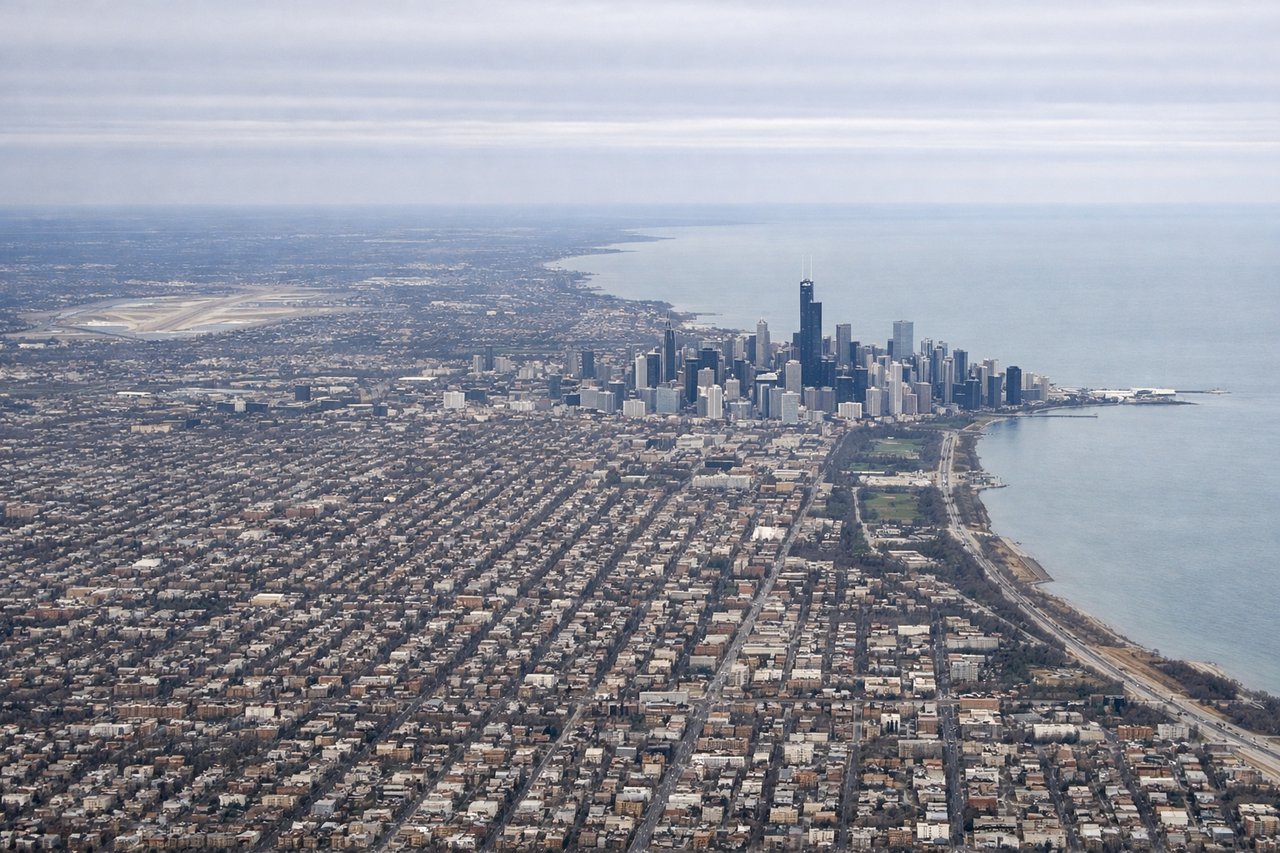
RIGHTORD departures heading toward Alaska typically roll west then bank right onto a northwesterly heading, swinging the right side toward Chicago's skyline and the southern tip of Lake Michigan before the city falls away to boreal terrain. It's a brief but distinct urban view before the long overland stretch.
Landing at ANC
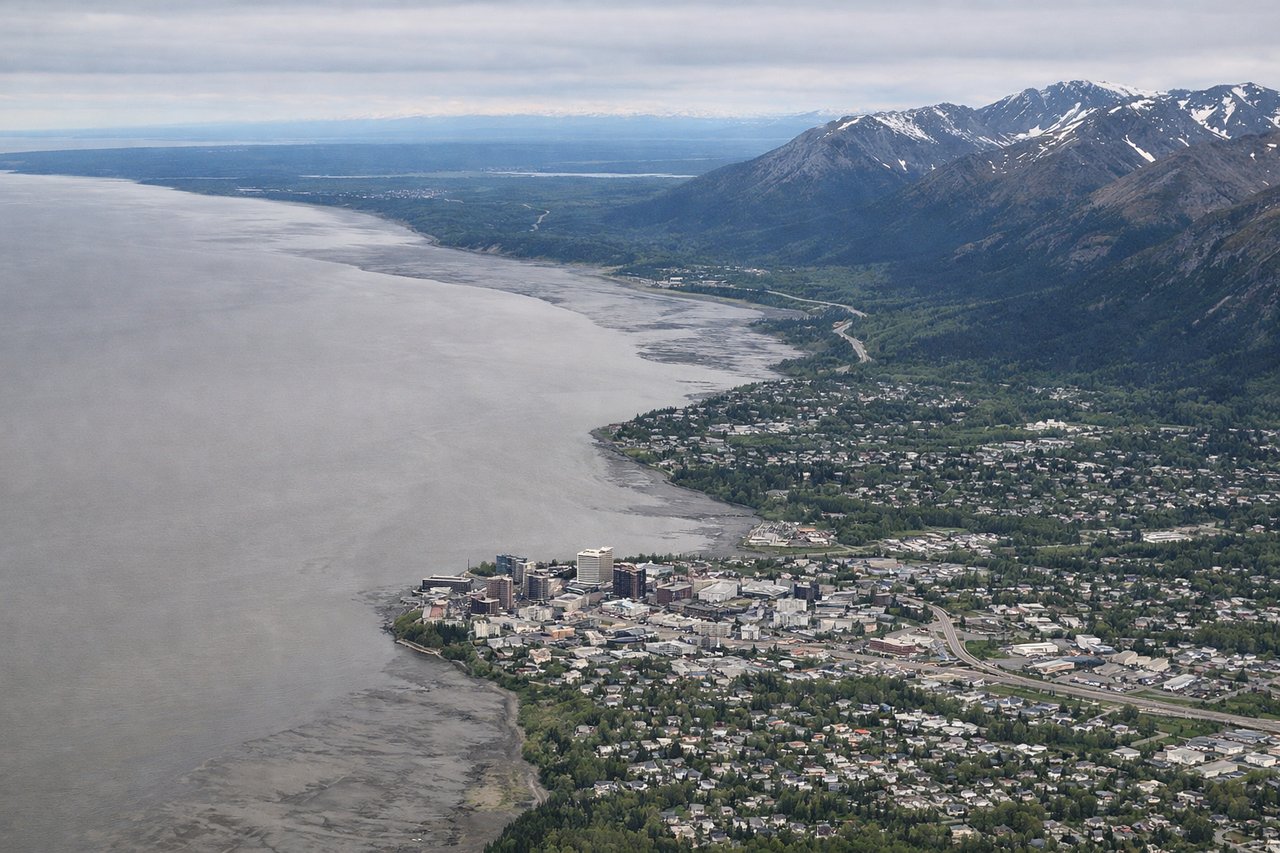
LEFTOn approach into Anchorage from the south, the left side faces west over Cook Inlet and the Susitna River flats, with the distinctive hump of Mount Susitna ('Sleeping Lady') visible and, on a clear day, the snowy Alaska Range including Denali far to the north. This is a dramatically more open, mountain-and-water view than the closer, steeper terrain on the right.
Landmarks on this routeAll landmarks →
Will your flight be in sunlight?
See exactly which side of the plane gets sun and shade at your departure time.
About This Route
Which side of the plane should I sit on flying from Chicago Ohare International (ORD) to Ted Stevens Anchorage International (ANC)?
Sit on the Left side of the plane for the best views on flights from Chicago to Anchorage. The left side wins on the strength of the Cook Inlet and Alaska Range views during descent, plus a chance at Canadian Rockies foothills glimpsed during the northwestward cruise, outweighing the right side's brief Chicago skyline moment at takeoff.
What can I see during takeoff from Chicago Ohare International in Chicago?
During takeoff from Chicago Ohare International (ORD), sit on the Right side for the best views. ORD departures heading toward Alaska typically roll west then bank right onto a northwesterly heading, swinging the right side toward Chicago's skyline and the southern tip of Lake Michigan before the city falls away to boreal terrain. It's a brief but distinct urban view before the long overland stretch. Notable sights include: Chicago downtown skyline, Lake Michigan shoreline, O'Hare's runway grid.
What can I see when landing at Ted Stevens Anchorage International in Anchorage?
When landing at Ted Stevens Anchorage International (ANC), sit on the Left side for the best views. On approach into Anchorage from the south, the left side faces west over Cook Inlet and the Susitna River flats, with the distinctive hump of Mount Susitna ('Sleeping Lady') visible and, on a clear day, the snowy Alaska Range including Denali far to the north. This is a dramatically more open, mountain-and-water view than the closer, steeper terrain on the right. Notable sights include: Cook Inlet, Mount Susitna, Susitna River delta, distant Alaska Range/Denali.
How long is the flight from Chicago to Anchorage?
The flight from Chicago Ohare International (ORD) to Ted Stevens Anchorage International (ANC) takes 6h 10m.
What does the Chicago to Anchorage flight path pass over?
Boreal forest and lake country of Manitoba and Saskatchewan, followed by the foothills of the Canadian Rockies near the Alberta-British Columbia border, then the forested plateaus of the Yukon before descending toward the Alaska Range and Cook Inlet.