While left offers good takeoff views of Lake Michigan, right-side seats provide superior scenery for the majority of the transatlantic flight and especially during the scenic descent into Rome with views of the Apennines and Tiber valley.
Flown ORD to CIA? Did we get it right?
Flight Path
Chicago to Rome is 4,825 miles (7,765 km), a flight of about 10 hours.
The flight path crosses the Atlantic Ocean with no major landmarks visible for roughly 6-7 hours. Notable features along the route include: the Labrador coast and Newfoundland during the initial eastbound climb (if visible); the North Atlantic with occasional glimpses of Greenland's southern tip depending on routing; the Irish coast and Celtic Sea approaching Europe; the British Isles (Wales and England) visible on the left during descent into European airspace; the English Channel; and the French countryside before turning southeast toward Italy. The Alps may be visible on the horizon during the final approach to Rome, depending on the exact descent routing and atmospheric conditions.
Great circle distance and headings ›


Phase by phase
Takeoff from ORD
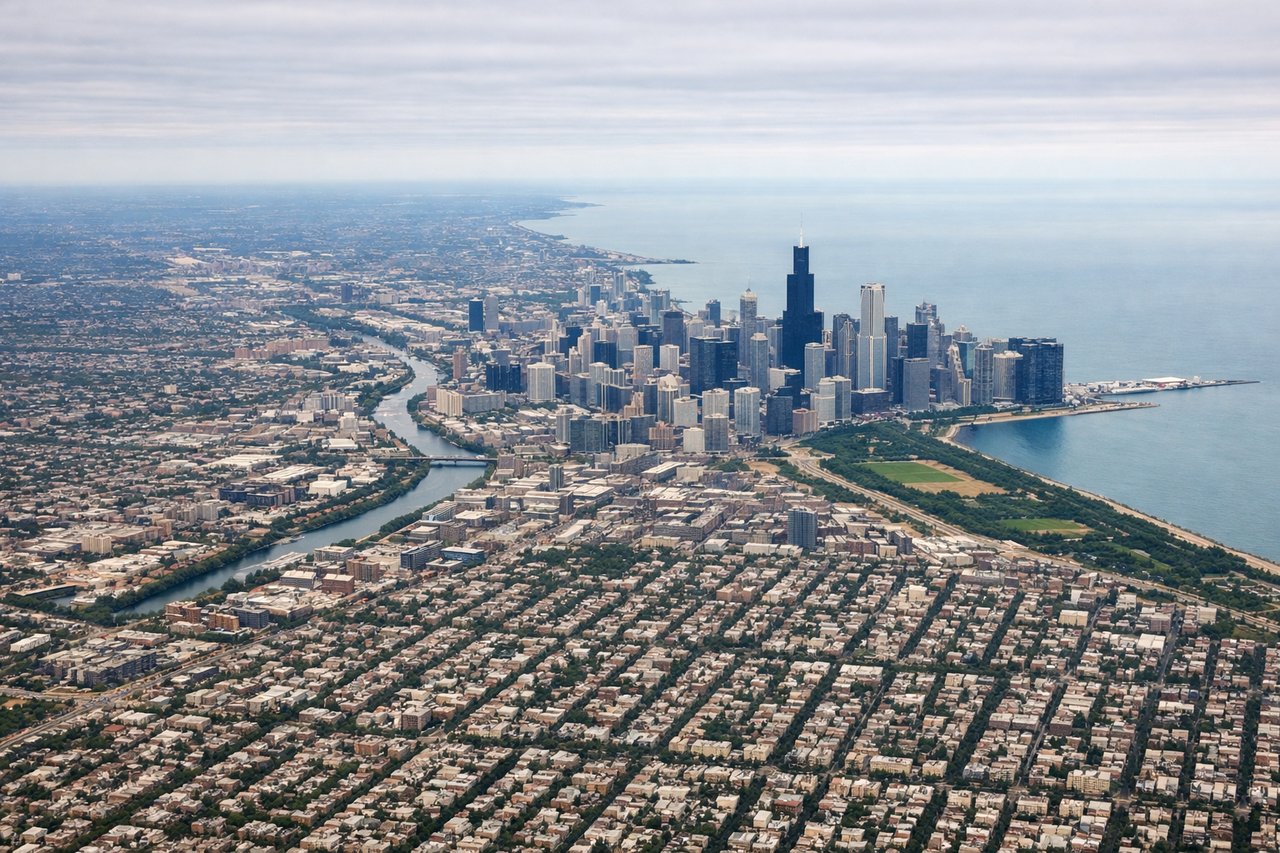
LEFTLeft-side seats offer views of Lake Michigan as the aircraft climbs northeastward out of ORD. You'll see the Chicago shoreline, downtown skyline, and the lake's expanse stretching toward the horizon.
Landing at CIA
RIGHTRight-side seats provide excellent views during the descent into Rome. You'll see the Apennine Mountains to the east and south, the Tiber River valley, and the Roman countryside with its characteristic rolling terrain and scattered towns.
Will your flight be in sunlight?
Pick a date and time in the Sun Map to watch the sun move across your whole flight.
About This Route
Which side of the plane should I sit on flying from Chicago Ohare International (ORD) to Ciampino (CIA)?
Sit on the Right side of the plane for the best views on flights from Chicago to Rome. While left offers good takeoff views of Lake Michigan, right-side seats provide superior scenery for the majority of the transatlantic flight and especially during the scenic descent into Rome with views of the Apennines and Tiber valley.
What can I see during takeoff from Chicago Ohare International in Chicago?
During takeoff from Chicago Ohare International (ORD), sit on the Left side for the best views. Left-side seats offer views of Lake Michigan as the aircraft climbs northeastward out of ORD. You'll see the Chicago shoreline, downtown skyline, and the lake's expanse stretching toward the horizon. Notable sights include: Lake Michigan, Chicago downtown skyline, Chicago lakefront parks, Des Plaines River valley.
What can I see when landing at Ciampino in Rome?
When landing at Ciampino (CIA), sit on the Right side for the best views. Right-side seats provide excellent views during the descent into Rome. You'll see the Apennine Mountains to the east and south, the Tiber River valley, and the Roman countryside with its characteristic rolling terrain and scattered towns. Notable sights include: Apennine Mountains, Tiber River valley, Roman Campagna (countryside), Castelli Romani hills.
How long is the flight from Chicago to Rome?
The flight from Chicago Ohare International (ORD) to Ciampino (CIA) takes about 10 hours. The shortest flight path between them is 4,825 miles (7,765 km); winds and air traffic control usually add a few percent.
What does the Chicago to Rome flight path pass over?
The flight path crosses the Atlantic Ocean with no major landmarks visible for roughly 6-7 hours. Notable features along the route include: the Labrador coast and Newfoundland during the initial eastbound climb (if visible); the North Atlantic with occasional glimpses of Greenland's southern tip depending on routing; the Irish coast and Celtic Sea approaching Europe; the British Isles (Wales and England) visible on the left during descent into European airspace; the English Channel; and the French countryside before turning southeast toward Italy. The Alps may be visible on the horizon during the final approach to Rome, depending on the exact descent routing and atmospheric conditions.