Chicago to Dallas is 798 miles (1,285 km), a flight of about 2 hours 10 minutes.
Though the route crosses flat Midwestern and plains terrain with little cruise-phase drama on either side, the left side's approach into Love Field offers a genuine skyline view of downtown Dallas that outweighs the modest Chicago glimpse on departure.
Flight Path
Flat agricultural plains of Illinois, Missouri, and Oklahoma, with the Mississippi River crossing visible near St. Louis
Great circle distance and headings ›Phase by phase
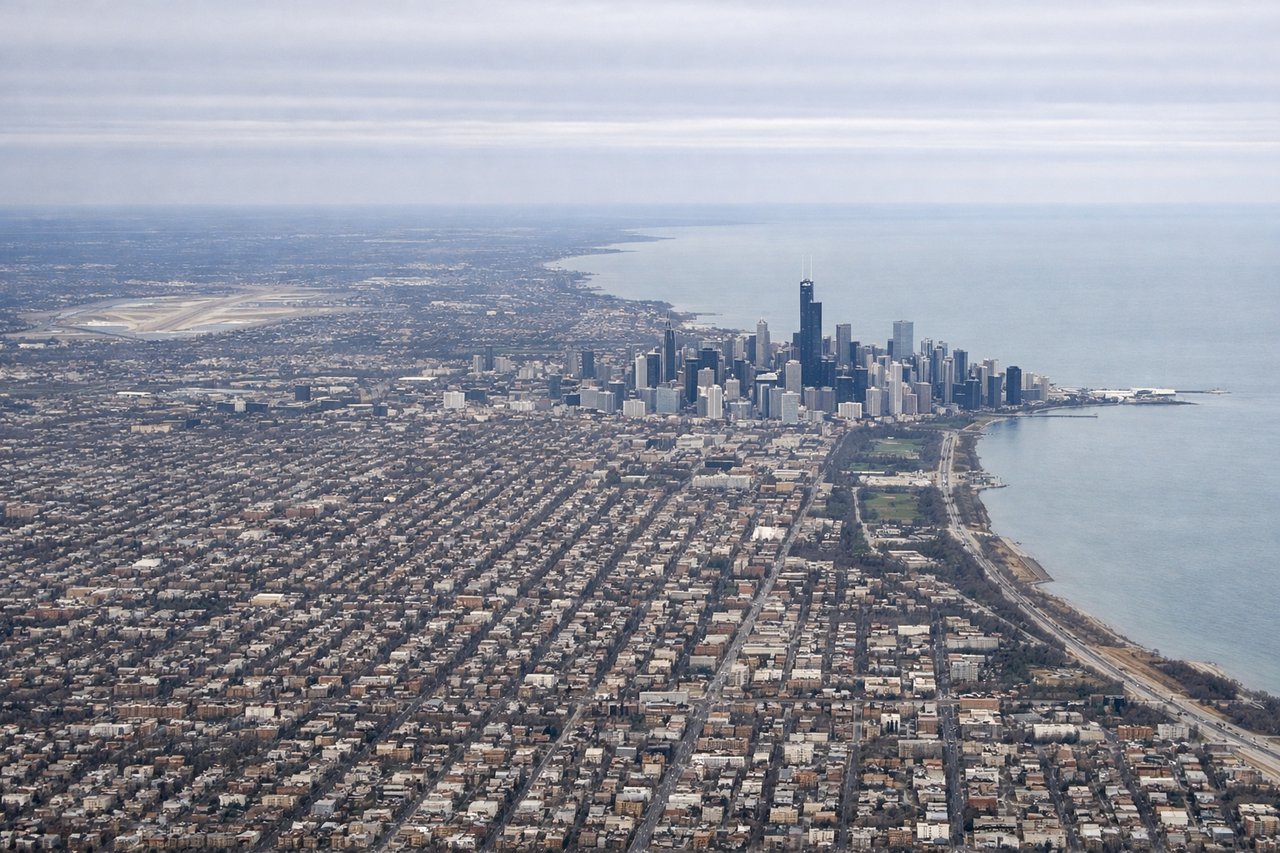
Takeoff from ORD
RIGHTWestbound departures out of ORD give right-side passengers a brief look back at Chicago's skyline and Lake Michigan shoreline before the turn south, while the left side only sees suburban sprawl.

Landing at DAL
LEFTOn approach into Dallas Love Field from the north, the final turn typically passes just west of downtown, giving left-side passengers a clear view of the Dallas skyline and the Trinity River bend below.
Landmarks on this routeAll landmarks →
Will your flight be in sunlight?
Pick a date and time in the Sun Map to watch the sun move across your whole flight.
About This Route
Which side of the plane should I sit on flying from Chicago Ohare International (ORD) to Dallas Love Fld (DAL)?
Sit on the Left side of the plane for the best views on flights from Chicago to Dallas. Though the route crosses flat Midwestern and plains terrain with little cruise-phase drama on either side, the left side's approach into Love Field offers a genuine skyline view of downtown Dallas that outweighs the modest Chicago glimpse on departure.
What can I see during takeoff from Chicago Ohare International in Chicago?
During takeoff from Chicago Ohare International (ORD), sit on the Right side for the best views. Westbound departures out of ORD give right-side passengers a brief look back at Chicago's skyline and Lake Michigan shoreline before the turn south, while the left side only sees suburban sprawl. Notable sights include: Chicago skyline, Lake Michigan shoreline, O'Hare terminal complex.
What can I see when landing at Dallas Love Fld in Dallas?
When landing at Dallas Love Fld (DAL), sit on the Left side for the best views. On approach into Dallas Love Field from the north, the final turn typically passes just west of downtown, giving left-side passengers a clear view of the Dallas skyline and the Trinity River bend below. Notable sights include: Downtown Dallas skyline, Trinity River, Reunion Tower, Love Field runway complex.
How long is the flight from Chicago to Dallas?
The flight from Chicago Ohare International (ORD) to Dallas Love Fld (DAL) takes about 2 hours 10 minutes. The shortest flight path between them is 798 miles (1,285 km); winds and air traffic control usually add a few percent.
What does the Chicago to Dallas flight path pass over?
Flat agricultural plains of Illinois, Missouri, and Oklahoma, with the Mississippi River crossing visible near St. Louis