Right-side seats win for both takeoff and landing phases. The entire flight path from Chicago southward over the Appalachian foothills and into Florida's Gulf coast offers consistent advantages on the right side, particularly Lake Michigan at departure and Tampa Bay/Gulf of Mexico at arrival.
Flown ORD to SPG? Did we get it right?
Flight Path
Chicago to St. Petersburg is 1,026 miles (1,651 km), a flight of about 3 hours 15 minutes.
The flight path typically crosses the Ohio River valley (visible as a meandering river system through forested terrain in Kentucky and Tennessee), the Cumberland Plateau (low, rolling mountains appearing as textured terrain), and the Appalachian foothills. Further south, the flight crosses into Georgia and Florida, where the terrain flattens dramatically into the coastal plains. The Chattahoochee River and various reservoirs may be visible in Georgia. As you approach Florida, the landscape becomes increasingly flat with visible lakes, swamps, and the beginning of the Gulf coastal plain. No major mountain ranges are prominent on this route, but the transition from Appalachian terrain to flat coastal plains is geographically distinctive.
Great circle distance and headings ›

Phase by phase
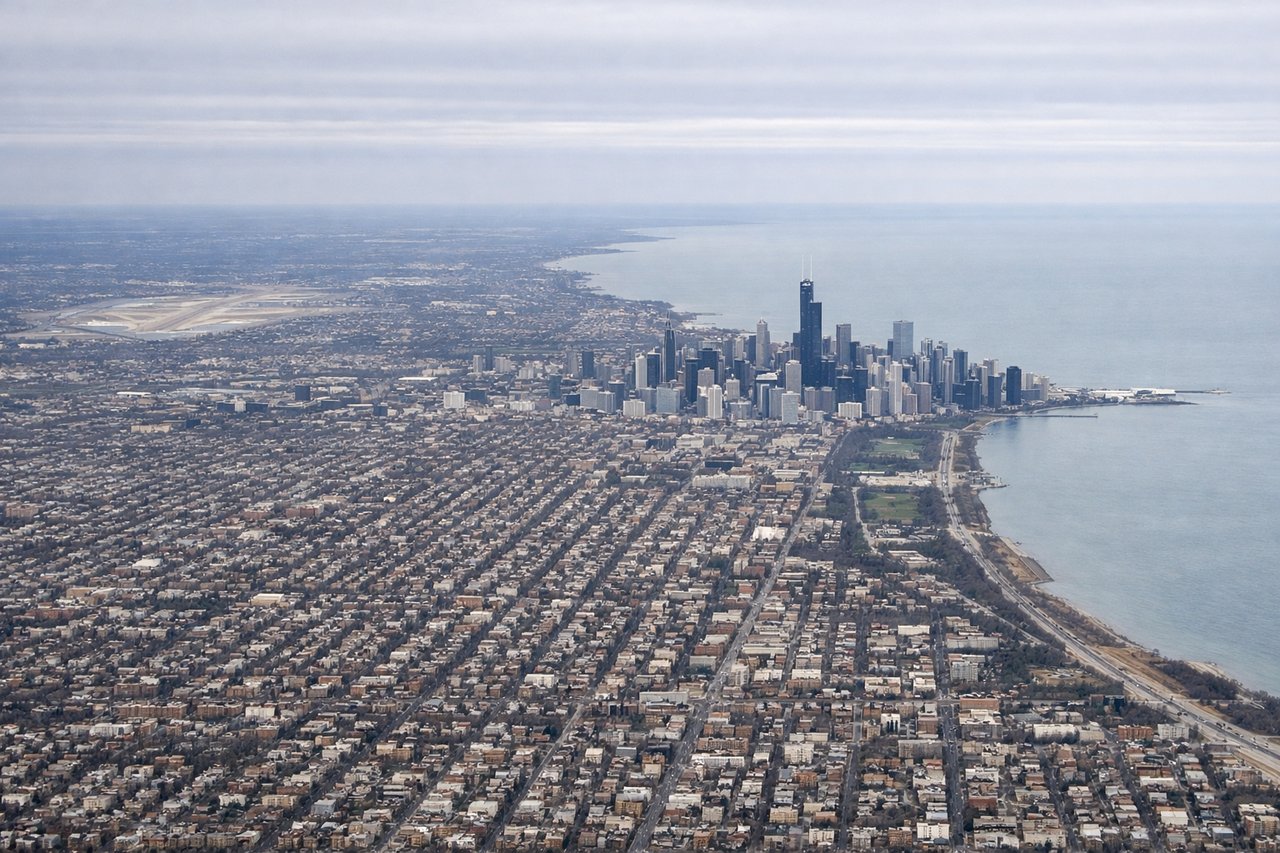
Takeoff from ORD
RIGHTRight-side seats offer views of Lake Michigan and the Chicago shoreline during the initial climb-out. Most departures from ORD head southeast or south, positioning the lake prominently on the right side as you gain altitude.
Landing at SPG
RIGHTRight-side seats provide excellent views of Tampa Bay and the Gulf of Mexico coastline during descent into St. Petersburg. The approach typically brings aircraft over the water and coastal features, making the right side the scenic advantage.
Will your flight be in sunlight?
Pick a date and time in the Sun Map to watch the sun move across your whole flight.
About This Route
Which side of the plane should I sit on flying from Chicago Ohare International (ORD) to Albert Whitted (SPG)?
Sit on the Right side of the plane for the best views on flights from Chicago to St. Petersburg. Right-side seats win for both takeoff and landing phases. The entire flight path from Chicago southward over the Appalachian foothills and into Florida's Gulf coast offers consistent advantages on the right side, particularly Lake Michigan at departure and Tampa Bay/Gulf of Mexico at arrival.
What can I see during takeoff from Chicago Ohare International in Chicago?
During takeoff from Chicago Ohare International (ORD), sit on the Right side for the best views. Right-side seats offer views of Lake Michigan and the Chicago shoreline during the initial climb-out. Most departures from ORD head southeast or south, positioning the lake prominently on the right side as you gain altitude. Notable sights include: Lake Michigan (immediate right, stretching to the horizon), Chicago downtown skyline (left-center, receding), Des Plaines River valley (directly below, winding northwest), suburban sprawl of Chicago metropolitan area (foreground and middle distance).
What can I see when landing at Albert Whitted in St. Petersburg?
When landing at Albert Whitted (SPG), sit on the Right side for the best views. Right-side seats provide excellent views of Tampa Bay and the Gulf of Mexico coastline during descent into St. Petersburg. The approach typically brings aircraft over the water and coastal features, making the right side the scenic advantage. Notable sights include: Tampa Bay (large water body, center-right during descent), Gulf of Mexico (right side, extending to horizon), Pinellas Peninsula (left-center, narrow strip of land), Hillsborough River estuary (left side, visible as darker water channels).
How long is the flight from Chicago to St. Petersburg?
The flight from Chicago Ohare International (ORD) to Albert Whitted (SPG) takes about 3 hours 15 minutes. The shortest flight path between them is 1,026 miles (1,651 km); winds and air traffic control usually add a few percent.
What does the Chicago to St. Petersburg flight path pass over?
The flight path typically crosses the Ohio River valley (visible as a meandering river system through forested terrain in Kentucky and Tennessee), the Cumberland Plateau (low, rolling mountains appearing as textured terrain), and the Appalachian foothills. Further south, the flight crosses into Georgia and Florida, where the terrain flattens dramatically into the coastal plains. The Chattahoochee River and various reservoirs may be visible in Georgia. As you approach Florida, the landscape becomes increasingly flat with visible lakes, swamps, and the beginning of the Gulf coastal plain. No major mountain ranges are prominent on this route, but the transition from Appalachian terrain to flat coastal plains is geographically distinctive.