Right seats capture the dramatic Río de la Plata estuary on approach, which is the flight's most visually distinctive feature. Takeoff from PHL favors left, but the landing view is more rewarding and comprises the final memorable impression of the journey.
Flight Path
The flight path crosses the Atlantic Ocean for roughly 5,000 nautical miles. Notable geographic waypoints include: the Appalachian Mountains (visible during initial climb from PHL), the Atlantic coastline receding eastward, the Mid-Atlantic Ridge (underwater, not visible), the Azores region (far north of typical routing), the coast of Brazil (southern approach to South America), and finally the Paraná River delta and Río de la Plata estuary system before landing at EZE. The pampas of Argentina dominate the final descent approach.
Great circle distance and headings ›Phase by phase
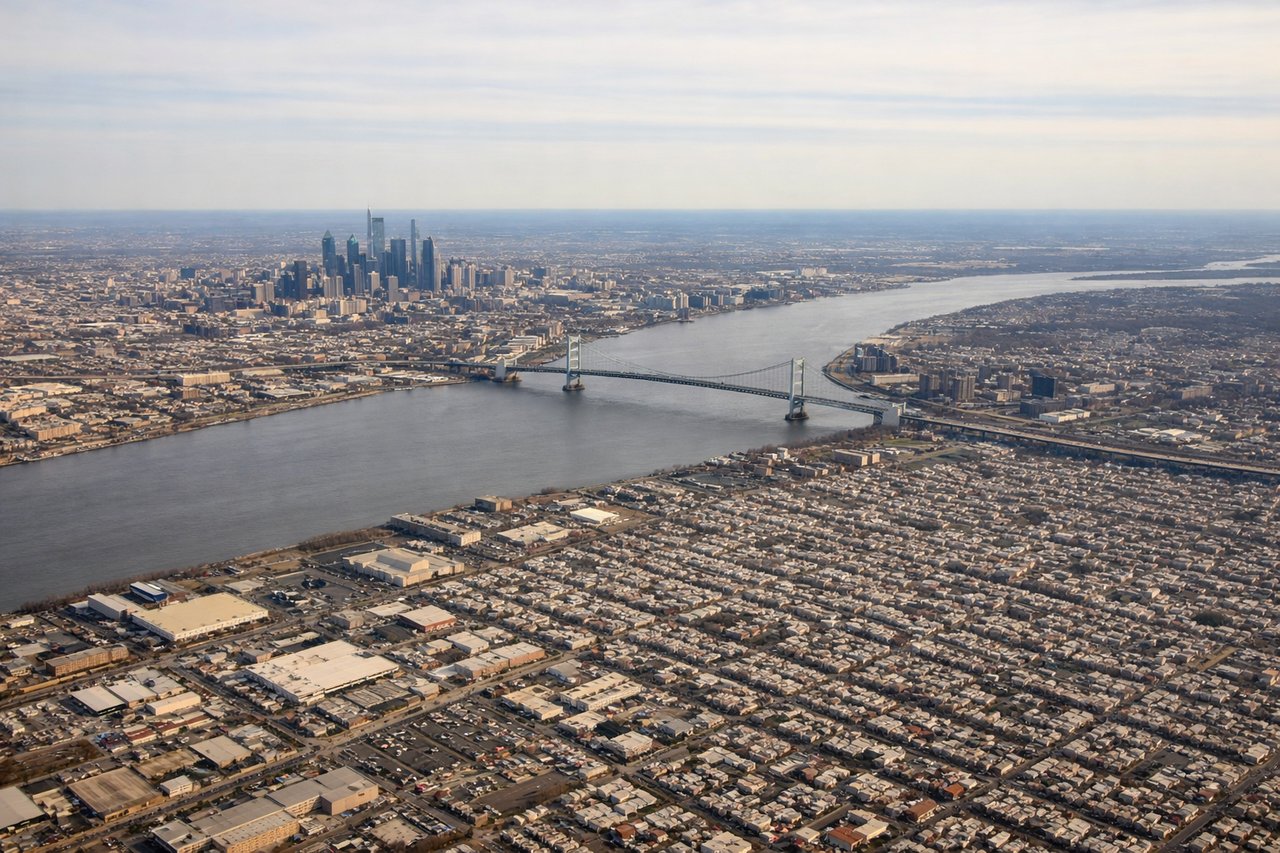
Takeoff from PHL
LEFTPHL typically departs eastbound (Runways 09L/09R). Left seats face north across the Delaware River valley and toward the Appalachian foothills, offering views of the river's industrial corridor and the rising terrain inland. Right seats face south toward the coastal plain with less dramatic relief.
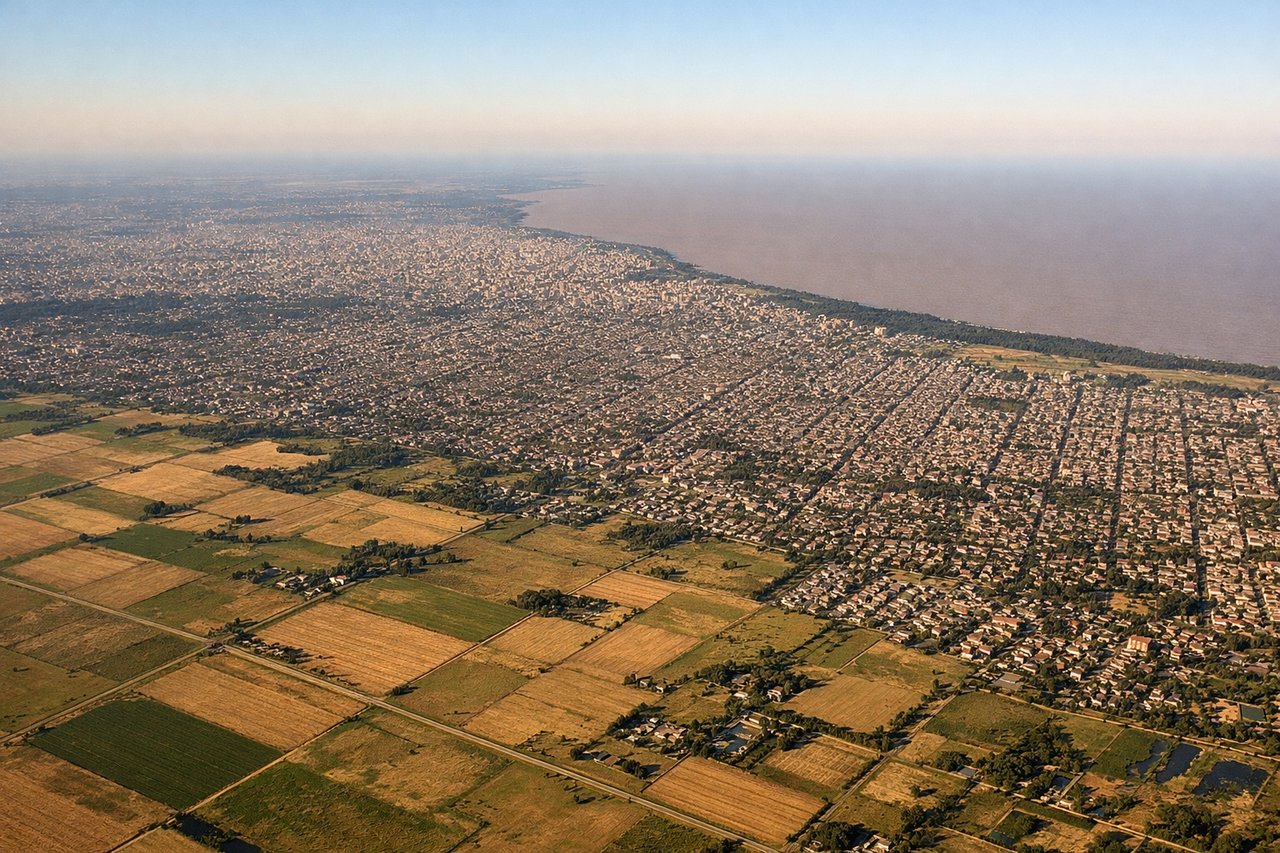
Landing at EZE
RIGHTEZE is located west of Buenos Aires on the Río de la Plata's southern shore. Approaches typically use Runways 09 or 27 depending on wind. Right seats on descent offer views of the Río de la Plata's wide estuary, the pampas landscape, and the approach path over the river. Left seats face inland over flat agricultural terrain with less visual interest.
Landmarks on this routeAll landmarks →
Will your flight be in sunlight?
See exactly which side of the plane gets sun and shade at your departure time.
About This Route
Which side of the plane should I sit on flying from Philadelphia International (PHL) to Ezeiza Ministro Pistarini (EZE)?
Sit on the Right side of the plane for the best views on flights from Philadelphia to Buenos Aires. Right seats capture the dramatic Río de la Plata estuary on approach, which is the flight's most visually distinctive feature. Takeoff from PHL favors left, but the landing view is more rewarding and comprises the final memorable impression of the journey.
What can I see during takeoff from Philadelphia International in Philadelphia?
During takeoff from Philadelphia International (PHL), sit on the Left side for the best views. PHL typically departs eastbound (Runways 09L/09R). Left seats face north across the Delaware River valley and toward the Appalachian foothills, offering views of the river's industrial corridor and the rising terrain inland. Right seats face south toward the coastal plain with less dramatic relief. Notable sights include: Delaware River (immediate foreground), Appalachian ridge line (distant north), Philadelphia urban sprawl (left-center), Chester industrial zone (right-center).
What can I see when landing at Ezeiza Ministro Pistarini in Buenos Aires?
When landing at Ezeiza Ministro Pistarini (EZE), sit on the Right side for the best views. EZE is located west of Buenos Aires on the Río de la Plata's southern shore. Approaches typically use Runways 09 or 27 depending on wind. Right seats on descent offer views of the Río de la Plata's wide estuary, the pampas landscape, and the approach path over the river. Left seats face inland over flat agricultural terrain with less visual interest. Notable sights include: Río de la Plata estuary (dominant feature), Buenos Aires skyline (distant north), Pampas grasslands (surrounding terrain), Approach runway infrastructure (final descent).
How long is the flight from Philadelphia to Buenos Aires?
The flight from Philadelphia International (PHL) to Ezeiza Ministro Pistarini (EZE) takes Approximately 9.5 to 10.5 hours.
What does the Philadelphia to Buenos Aires flight path pass over?
The flight path crosses the Atlantic Ocean for roughly 5,000 nautical miles. Notable geographic waypoints include: the Appalachian Mountains (visible during initial climb from PHL), the Atlantic coastline receding eastward, the Mid-Atlantic Ridge (underwater, not visible), the Azores region (far north of typical routing), the coast of Brazil (southern approach to South America), and finally the Paraná River delta and Río de la Plata estuary system before landing at EZE. The pampas of Argentina dominate the final descent approach.