The right side combines a strong Philadelphia skyline departure with likely views of the Great Lakes and the northern Rockies near Glacier National Park during cruise, giving it slightly more sustained variety than the left, which is strongest only in the final Rainier approach.
Flight Path
Route crosses the Allegheny Plateau of Pennsylvania, skirts the southern shore of Lake Erie, spans the Great Plains of Minnesota and North Dakota, crosses the Rocky Mountain Front near Glacier National Park in Montana, then traverses the Cascade Range before descending into Puget Sound.
Great circle distance and headings ›

.jpg?width=600)

Phase by phase
Takeoff from PHL
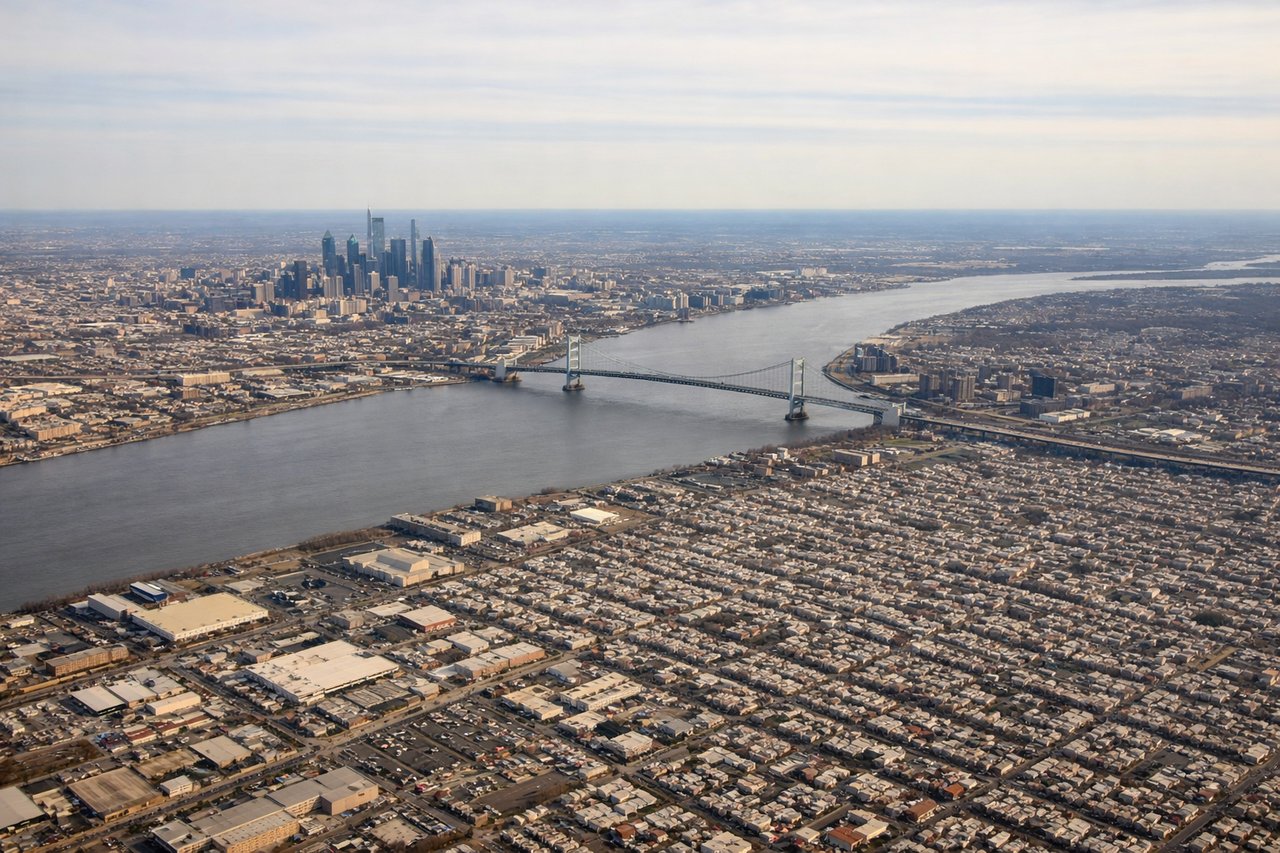
RIGHTWestbound departures from PHL climb out on the 27 runways and typically bank north before settling on the transcon route, putting Center City Philadelphia's skyline and the Delaware River waterfront on the right side of the aircraft during the initial climb.
Landing at SEA
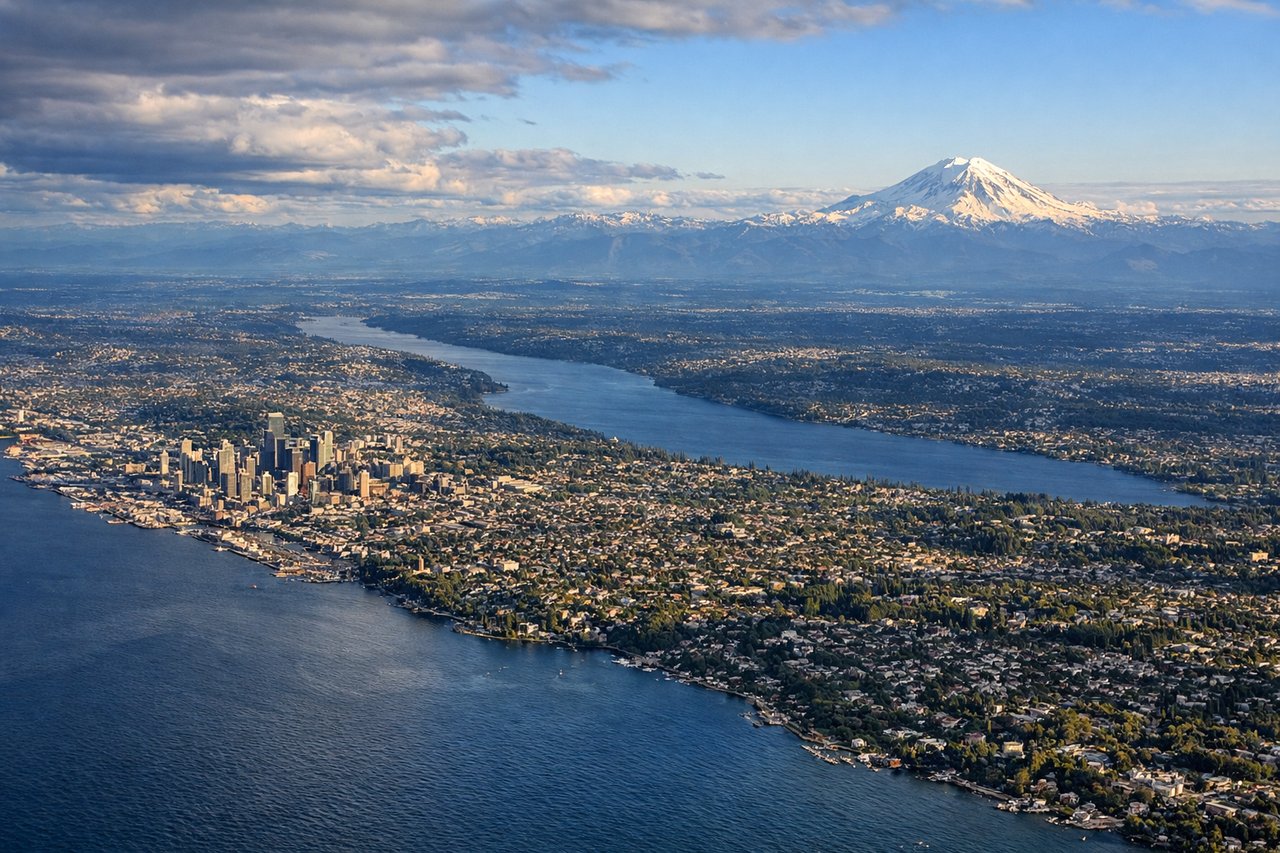
LEFTOn approach into SEA from the east, the descent path over the Cascade foothills and Puget Sound puts Mount Rainier's snow-capped bulk on the left side of the aircraft, along with the Olympic Mountains beyond the water, before the final turn onto the north-south runways.
Landmarks on this routeAll landmarks →
Will your flight be in sunlight?
See exactly which side of the plane gets sun and shade at your departure time.
About This Route
Which side of the plane should I sit on flying from Philadelphia International (PHL) to Seattle Tacoma International (SEA)?
Sit on the Right side of the plane for the best views on flights from Philadelphia to Seattle. The right side combines a strong Philadelphia skyline departure with likely views of the Great Lakes and the northern Rockies near Glacier National Park during cruise, giving it slightly more sustained variety than the left, which is strongest only in the final Rainier approach.
What can I see during takeoff from Philadelphia International in Philadelphia?
During takeoff from Philadelphia International (PHL), sit on the Right side for the best views. Westbound departures from PHL climb out on the 27 runways and typically bank north before settling on the transcon route, putting Center City Philadelphia's skyline and the Delaware River waterfront on the right side of the aircraft during the initial climb. Notable sights include: Philadelphia skyline (Comcast Center, Liberty Place towers), Delaware River, Camden waterfront, Philadelphia International's runway grid.
What can I see when landing at Seattle Tacoma International in Seattle?
When landing at Seattle Tacoma International (SEA), sit on the Left side for the best views. On approach into SEA from the east, the descent path over the Cascade foothills and Puget Sound puts Mount Rainier's snow-capped bulk on the left side of the aircraft, along with the Olympic Mountains beyond the water, before the final turn onto the north-south runways. Notable sights include: Mount Rainier, Puget Sound, Olympic Mountains, Lake Washington.
How long is the flight from Philadelphia to Seattle?
The flight from Philadelphia International (PHL) to Seattle Tacoma International (SEA) takes 5h 45m.
What does the Philadelphia to Seattle flight path pass over?
Route crosses the Allegheny Plateau of Pennsylvania, skirts the southern shore of Lake Erie, spans the Great Plains of Minnesota and North Dakota, crosses the Rocky Mountain Front near Glacier National Park in Montana, then traverses the Cascade Range before descending into Puget Sound.