While takeoff offers good coastal views on the right, the landing approach into Johannesburg provides more dramatic and sustained geography—the Witwatersrand ridge and the city's distinctive urban-rural boundary are more visually striking than Port Elizabeth's bay. Left seats capture the approach descent's best features.
Flown PLZ to JNB? Did we get it right?
Flight Path
Port Elizabeth to Johannesburg is 565 miles (909 km), a flight of about 1 hour 15 minutes.
The flight path crosses inland from the coast, passing over the Eastern Cape highveld. Notable features include the Karoo plateau's edge, scattered towns like Grahamstown and Cradock (visible as small clusters from altitude), and the transition from coastal vegetation to drier inland grassland. The terrain gradually rises toward the Witwatersrand as the flight approaches Johannesburg from the south.
Great circle distance and headings ›Phase by phase
Takeoff from PLZ
RIGHTPort Elizabeth typically departs runway 03 (northeast) or 21 (southwest). Right-side seats offer views of Algoa Bay and the Indian Ocean coastline during initial climb. The bay's distinctive curved shoreline and the contrast between ocean and coastal development are clearly visible within the first 10-15 minutes of flight.
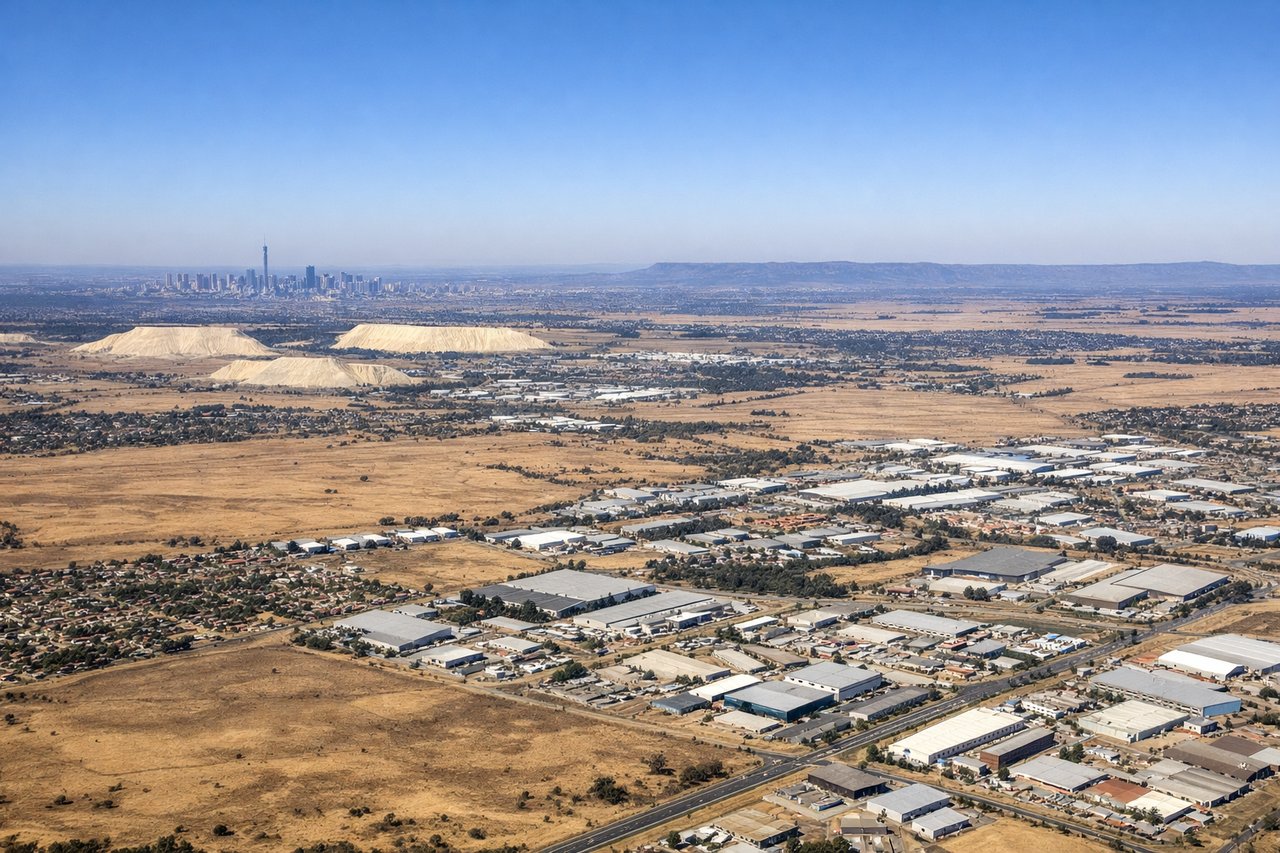
Landing at JNB
LEFTJohannesburg's primary runways are 03L/03R and 21L/21R. During descent from the south or east, left-side seats provide excellent views of the Witwatersrand ridge, the city's northern suburbs, and the distinctive urban sprawl pattern. The ridge's elevation change and the contrast between developed and undeveloped areas are striking from altitude.
Will your flight be in sunlight?
Pick a date and time in the Sun Map to watch the sun move across your whole flight.
About This Route
Which side of the plane should I sit on flying from Port Elizabeth (PLZ) to O.R. Tambo International Airport (JNB)?
Sit on the Left side of the plane for the best views on flights from Port Elizabeth to Johannesburg. While takeoff offers good coastal views on the right, the landing approach into Johannesburg provides more dramatic and sustained geography—the Witwatersrand ridge and the city's distinctive urban-rural boundary are more visually striking than Port Elizabeth's bay. Left seats capture the approach descent's best features.
What can I see during takeoff from Port Elizabeth in Port Elizabeth?
During takeoff from Port Elizabeth (PLZ), sit on the Right side for the best views. Port Elizabeth typically departs runway 03 (northeast) or 21 (southwest). Right-side seats offer views of Algoa Bay and the Indian Ocean coastline during initial climb. The bay's distinctive curved shoreline and the contrast between ocean and coastal development are clearly visible within the first 10-15 minutes of flight. Notable sights include: Algoa Bay, Uitenhage industrial area to the northwest, Cape Recife headland to the south, Indian Ocean.
What can I see when landing at O.R. Tambo International Airport in Johannesburg?
When landing at O.R. Tambo International Airport (JNB), sit on the Left side for the best views. Johannesburg's primary runways are 03L/03R and 21L/21R. During descent from the south or east, left-side seats provide excellent views of the Witwatersrand ridge, the city's northern suburbs, and the distinctive urban sprawl pattern. The ridge's elevation change and the contrast between developed and undeveloped areas are striking from altitude. Notable sights include: Witwatersrand ridge, Johannesburg northern suburbs (Sandton, Midrand), Pretoria in the distance to the north, highveld grassland.
How long is the flight from Port Elizabeth to Johannesburg?
The flight from Port Elizabeth (PLZ) to O.R. Tambo International Airport (JNB) takes about 1 hour 15 minutes. The shortest flight path between them is 565 miles (909 km); winds and air traffic control usually add a few percent.
What does the Port Elizabeth to Johannesburg flight path pass over?
The flight path crosses inland from the coast, passing over the Eastern Cape highveld. Notable features include the Karoo plateau's edge, scattered towns like Grahamstown and Cradock (visible as small clusters from altitude), and the transition from coastal vegetation to drier inland grassland. The terrain gradually rises toward the Witwatersrand as the flight approaches Johannesburg from the south.