The outbound climb offers more dramatic and sustained scenery with the Tramuntana Mountains and Balearic coastline. The landing approach into Paris is visually interesting but briefer; the left side captures the more memorable departure sequence.
Flight Path
The flight path crosses the Gulf of Lions (northwestern Mediterranean), passing east of the Pyrenees at distance. The Rhône River valley becomes visible during the cruise phase over southern France, and the Massif Central appears as elevated terrain to the east. The Loire River valley and Orléans region mark the approach to the Île-de-France basin.
Great circle distance and headings ›

.jpg?width=600)
Phase by phase
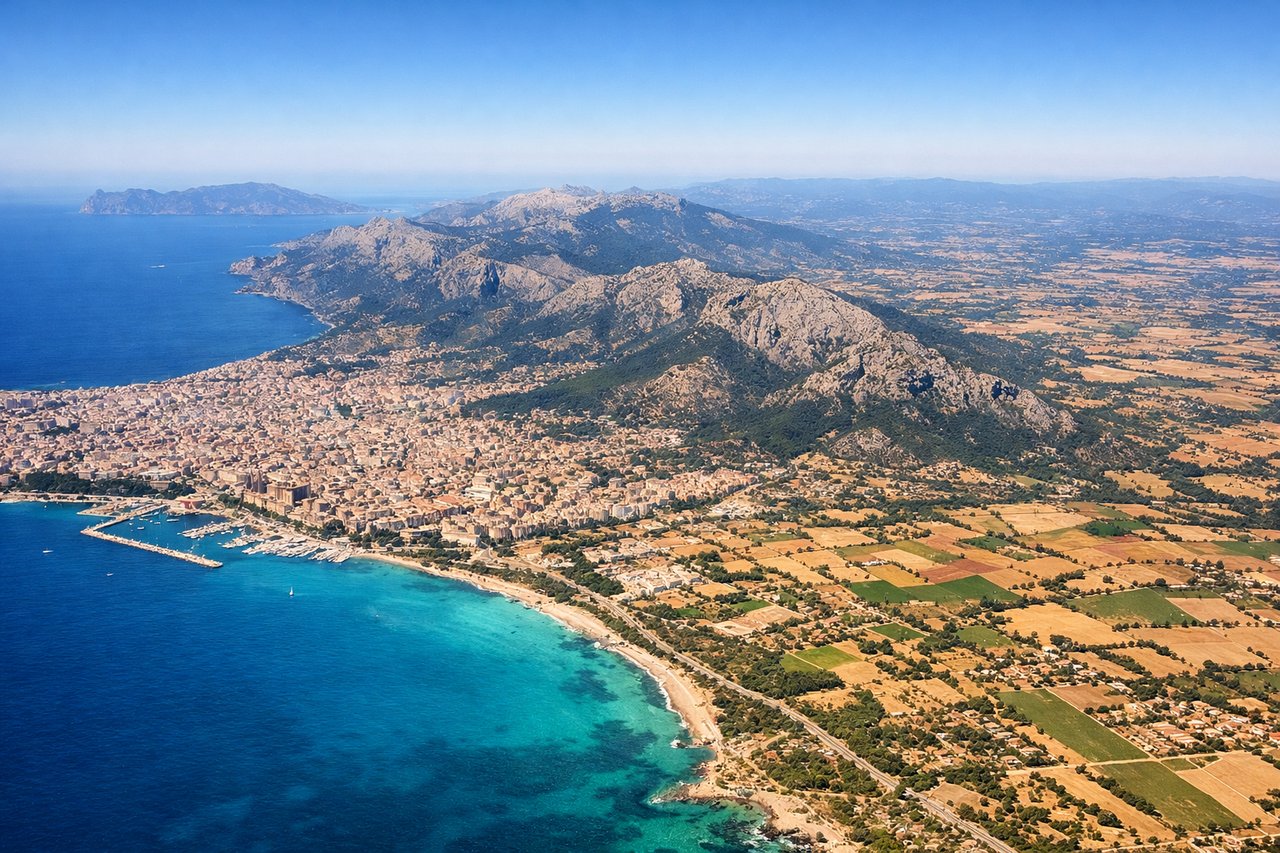
Takeoff from PMI
LEFTLeft-side seats offer views of the Tramuntana Mountains immediately after departure, running northwest-southeast along Mallorca's northern coast. The aircraft climbs northward over the Balearic Sea, so left windows capture the dramatic limestone ridge and the coastline below.
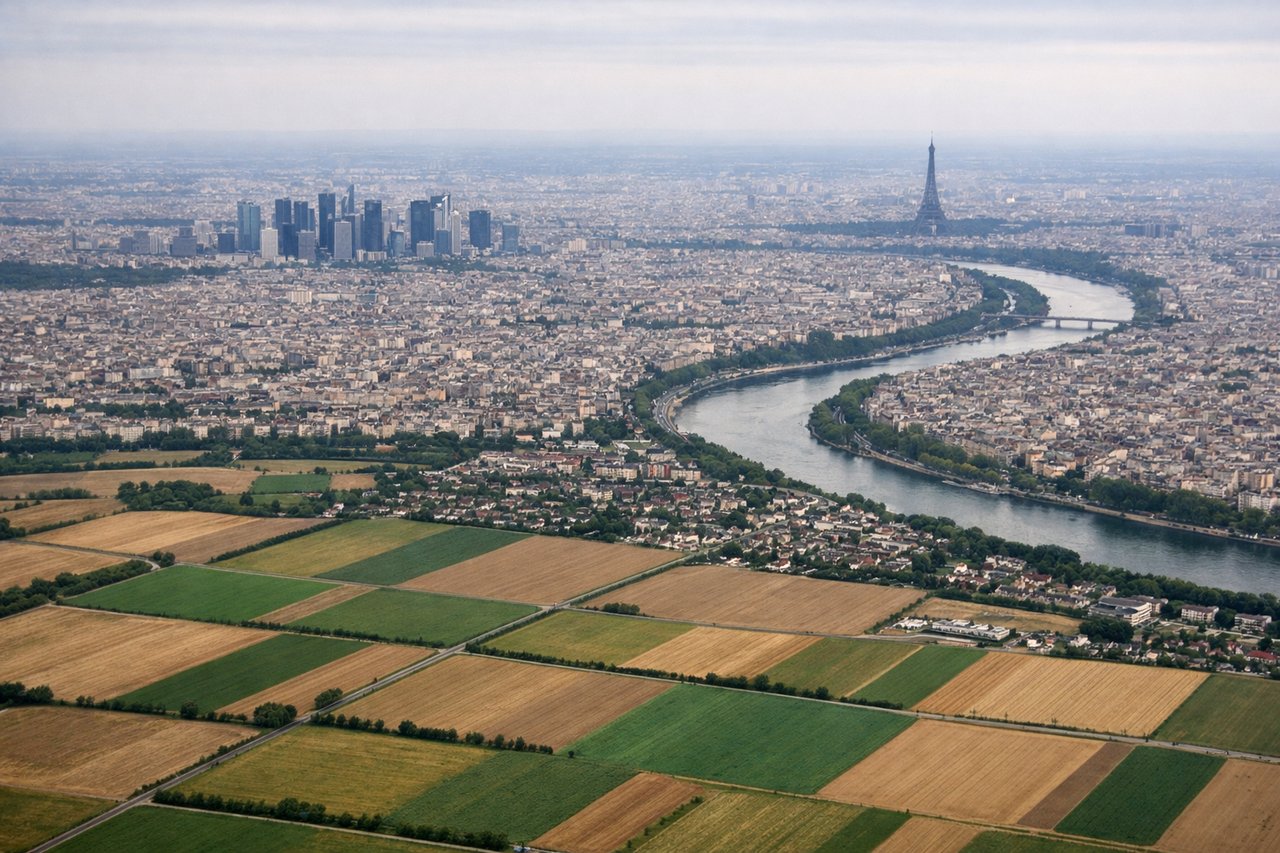
Landing at CDG
RIGHTRight-side seats provide views of the Île-de-France landscape during descent into CDG. The aircraft approaches from the southwest, so right windows show the Seine River valley, the forests of Fontainebleau to the south, and the urban sprawl of Paris itself before touchdown.
Landmarks on this routeAll landmarks →
Will your flight be in sunlight?
See exactly which side of the plane gets sun and shade at your departure time.
About This Route
Which side of the plane should I sit on flying from Palma De Mallorca (PMI) to Charles De Gaulle (CDG)?
Sit on the Left side of the plane for the best views on flights from Palma De Mallorca to Paris. The outbound climb offers more dramatic and sustained scenery with the Tramuntana Mountains and Balearic coastline. The landing approach into Paris is visually interesting but briefer; the left side captures the more memorable departure sequence.
What can I see during takeoff from Palma De Mallorca in Palma De Mallorca?
During takeoff from Palma De Mallorca (PMI), sit on the Left side for the best views. Left-side seats offer views of the Tramuntana Mountains immediately after departure, running northwest-southeast along Mallorca's northern coast. The aircraft climbs northward over the Balearic Sea, so left windows capture the dramatic limestone ridge and the coastline below. Notable sights include: Tramuntana Mountains, Palma Bay, Serra de Alfabia, Balearic Sea coastline.
What can I see when landing at Charles De Gaulle in Paris?
When landing at Charles De Gaulle (CDG), sit on the Right side for the best views. Right-side seats provide views of the Île-de-France landscape during descent into CDG. The aircraft approaches from the southwest, so right windows show the Seine River valley, the forests of Fontainebleau to the south, and the urban sprawl of Paris itself before touchdown. Notable sights include: Seine River valley, Fontainebleau Forest, Paris metropolitan area, Marne River.
How long is the flight from Palma De Mallorca to Paris?
The flight from Palma De Mallorca (PMI) to Charles De Gaulle (CDG) takes Approximately 2 hours 15 minutes.
What does the Palma De Mallorca to Paris flight path pass over?
The flight path crosses the Gulf of Lions (northwestern Mediterranean), passing east of the Pyrenees at distance. The Rhône River valley becomes visible during the cruise phase over southern France, and the Massif Central appears as elevated terrain to the east. The Loire River valley and Orléans region mark the approach to the Île-de-France basin.