Right-side seats score higher (3.0 vs 2.5) because they capture the Cascade Range drama on both takeoff and landing, plus the Seattle urban and water scenery on approach. The left side offers only flat basin terrain on departure and primarily open water on arrival, lacking the mountain and city visual variety that makes this route memorable.
Flown PSC to SEA? Did we get it right?
Flight Path
Pasco to Seattle is 171 miles (276 km), a flight of about 1 hour 15 minutes.
Cascade Range crest and Snoqualmie Pass (central Washington), transition from semi-arid Columbia Basin to temperate Puget Sound lowlands, forested slopes of the Cascades, multiple ridgelines and valleys within the mountain range
Great circle distance and headings ›Phase by phase
Takeoff from PSC
RIGHTRight-side departures from PSC typically use Runway 12 heading southeast, which immediately turns northwestward toward Seattle. This initial climb provides views of the Cascade Range foothills rising to the northwest, creating immediate terrain drama. Left-side departures see only flat Columbia Basin agricultural land extending eastward.
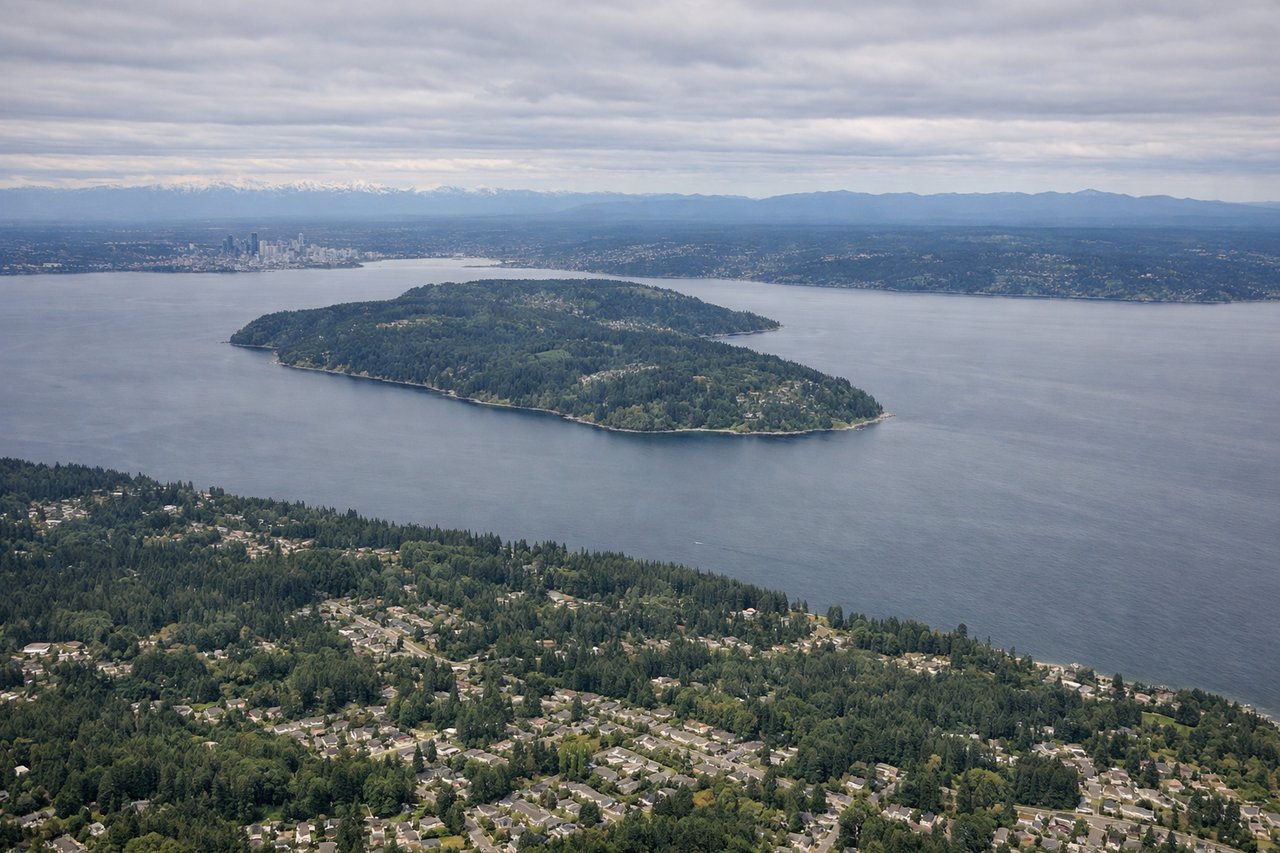
Landing at SEA
RIGHTRight-side approaches into SEA typically descend from the southeast on final approach to Runway 16L/34R (north-south alignment). This descent path crosses the Cascade Range crest and Snoqualmie Pass, then descends over the Puget Sound lowlands with views of Lake Washington, the Seattle skyline, and Elliott Bay. Left-side approaches see primarily Puget Sound water and distant Olympic Mountains.
Will your flight be in sunlight?
Pick a date and time in the Sun Map to watch the sun move across your whole flight.
About This Route
Which side of the plane should I sit on flying from Tri Cities Airport (PSC) to Seattle Tacoma International (SEA)?
Sit on the Right side of the plane for the best views on flights from Pasco to Seattle. Right-side seats score higher (3.0 vs 2.5) because they capture the Cascade Range drama on both takeoff and landing, plus the Seattle urban and water scenery on approach. The left side offers only flat basin terrain on departure and primarily open water on arrival, lacking the mountain and city visual variety that makes this route memorable.
What can I see during takeoff from Tri Cities Airport in Pasco?
During takeoff from Tri Cities Airport (PSC), sit on the Right side for the best views. Right-side departures from PSC typically use Runway 12 heading southeast, which immediately turns northwestward toward Seattle. This initial climb provides views of the Cascade Range foothills rising to the northwest, creating immediate terrain drama. Left-side departures see only flat Columbia Basin agricultural land extending eastward. Notable sights include: Cascade Range foothills (northwest), Columbia River (visible near airport), Tri-Cities urban area (Pasco, Kennewick, Richland below).
What can I see when landing at Seattle Tacoma International in Seattle?
When landing at Seattle Tacoma International (SEA), sit on the Right side for the best views. Right-side approaches into SEA typically descend from the southeast on final approach to Runway 16L/34R (north-south alignment). This descent path crosses the Cascade Range crest and Snoqualmie Pass, then descends over the Puget Sound lowlands with views of Lake Washington, the Seattle skyline, and Elliott Bay. Left-side approaches see primarily Puget Sound water and distant Olympic Mountains. Notable sights include: Cascade Range and Snoqualmie Pass (during descent), Lake Washington (east of Seattle), Seattle downtown skyline and Space Needle, Elliott Bay and harbor.
How long is the flight from Pasco to Seattle?
The flight from Tri Cities Airport (PSC) to Seattle Tacoma International (SEA) takes about 1 hour 15 minutes. The shortest flight path between them is 171 miles (276 km); winds and air traffic control usually add a few percent.
What does the Pasco to Seattle flight path pass over?
Cascade Range crest and Snoqualmie Pass (central Washington), transition from semi-arid Columbia Basin to temperate Puget Sound lowlands, forested slopes of the Cascades, multiple ridgelines and valleys within the mountain range