The landing approach on the right side showcases the dramatic Rocky Mountain Front Range and Indian Peaks—genuine alpine scenery with significant elevation drama and recognizable peaks. While the RDU departure offers modest Piedmont interest, the Denver landing's mountain approach and the overall route's westbound traverse of increasingly dramatic terrain gives the right side a stronger scenic advantage. The Rockies visible during descent and approach significantly outweigh the relatively flat Piedmont departure.
Flown RDU to BJC? Did we get it right?
Flight Path
Raleigh-Durham to Denver is 1,457 miles (2,345 km), a flight of about 4 hours 15 minutes.
Appalachian Mountains (eastern Tennessee and Kentucky ridges), Cumberland Plateau, Ohio River valley, Mississippi River valley near St. Louis, Great Plains transition zone (Missouri to Kansas), High Plains of eastern Colorado with gradual elevation rise toward the Front Range
Great circle distance and headings ›


Phase by phase
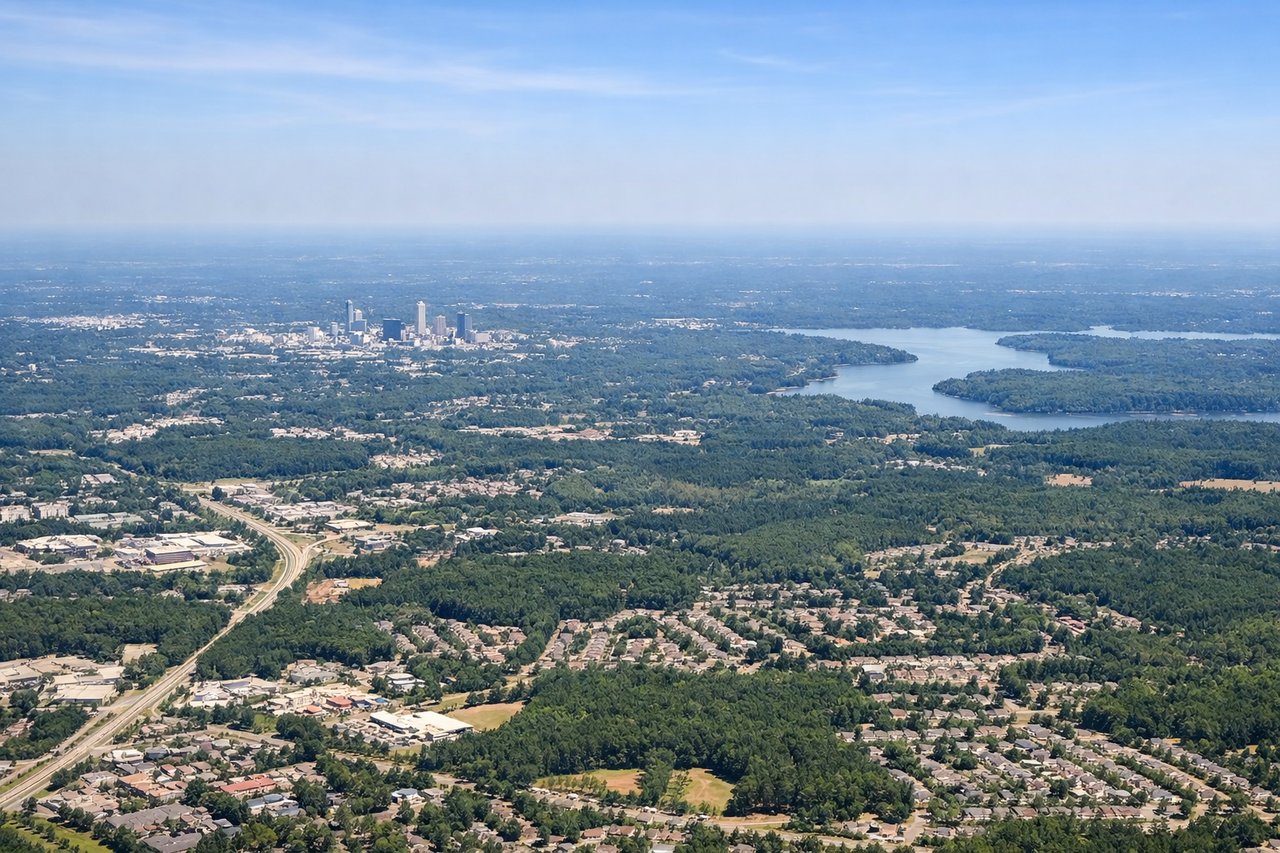
Takeoff from RDU
LEFTLeft side captures the Raleigh-Durham urban area during climb-out, with the Piedmont terrain rising gradually westward. Right side faces open sky and flat terrain with minimal visual interest during departure.
Landing at BJC
RIGHTRight side (north) offers the dramatic approach to the Front Range with the Rocky Mountains dominating the descent. The Continental Divide, Indian Peaks, and the Denver metropolitan area create a visually striking finale. Left side (south) shows the high plains with less dramatic terrain.
Will your flight be in sunlight?
Pick a date and time in the Sun Map to watch the sun move across your whole flight.
About This Route
Which side of the plane should I sit on flying from Raleigh Durham International (RDU) to Rocky Mountain Metropolitan Airport (BJC)?
Sit on the Right side of the plane for the best views on flights from Raleigh-Durham to Denver. The landing approach on the right side showcases the dramatic Rocky Mountain Front Range and Indian Peaks—genuine alpine scenery with significant elevation drama and recognizable peaks. While the RDU departure offers modest Piedmont interest, the Denver landing's mountain approach and the overall route's westbound traverse of increasingly dramatic terrain gives the right side a stronger scenic advantage. The Rockies visible during descent and approach significantly outweigh the relatively flat Piedmont departure.
What can I see during takeoff from Raleigh Durham International in Raleigh-Durham?
During takeoff from Raleigh Durham International (RDU), sit on the Left side for the best views. Left side captures the Raleigh-Durham urban area during climb-out, with the Piedmont terrain rising gradually westward. Right side faces open sky and flat terrain with minimal visual interest during departure. Notable sights include: Raleigh downtown skyline, Durham urban sprawl, Neuse River valley, Piedmont foothills rising to the west.
What can I see when landing at Rocky Mountain Metropolitan Airport in Denver?
When landing at Rocky Mountain Metropolitan Airport (BJC), sit on the Right side for the best views. Right side (north) offers the dramatic approach to the Front Range with the Rocky Mountains dominating the descent. The Continental Divide, Indian Peaks, and the Denver metropolitan area create a visually striking finale. Left side (south) shows the high plains with less dramatic terrain. Notable sights include: Rocky Mountain Front Range peaks, Indian Peaks Wilderness, South Platte River valley, Denver metropolitan area and downtown skyline.
How long is the flight from Raleigh-Durham to Denver?
The flight from Raleigh Durham International (RDU) to Rocky Mountain Metropolitan Airport (BJC) takes about 4 hours 15 minutes. The shortest flight path between them is 1,457 miles (2,345 km); winds and air traffic control usually add a few percent.
What does the Raleigh-Durham to Denver flight path pass over?
Appalachian Mountains (eastern Tennessee and Kentucky ridges), Cumberland Plateau, Ohio River valley, Mississippi River valley near St. Louis, Great Plains transition zone (Missouri to Kansas), High Plains of eastern Colorado with gradual elevation rise toward the Front Range