Riga to Dublin is 1,207 miles (1,942 km), a flight of about 2 hours 45 minutes.
While takeoff offers interesting Baltic coastal views, the landing approach into Dublin provides more dramatic and visually distinctive scenery with the Wicklow Mountains, Dublin Bay, and the Irish coastline. The right side captures these key features during descent.
Flight Path
The flight path crosses the North Sea and the Irish Sea, passing over the Scottish lowlands and the Irish midlands. Notable features include the Firth of Forth (visible on northbound routing), the Scottish coast near Edinburgh, the Irish Sea with its shipping lanes, and the transition from flat Baltic terrain to the more varied topography of the British Isles. The Pennines in northern England may be visible on some routing variations, though the direct path typically stays west of this range.
Great circle distance and headings ›Phase by phase
Takeoff from RIX
LEFTLeft side offers views of the Gauja River valley and the Daugava River estuary as the aircraft climbs westward from Riga. The right side faces inland toward relatively flat terrain with fewer distinctive features during the initial climb.
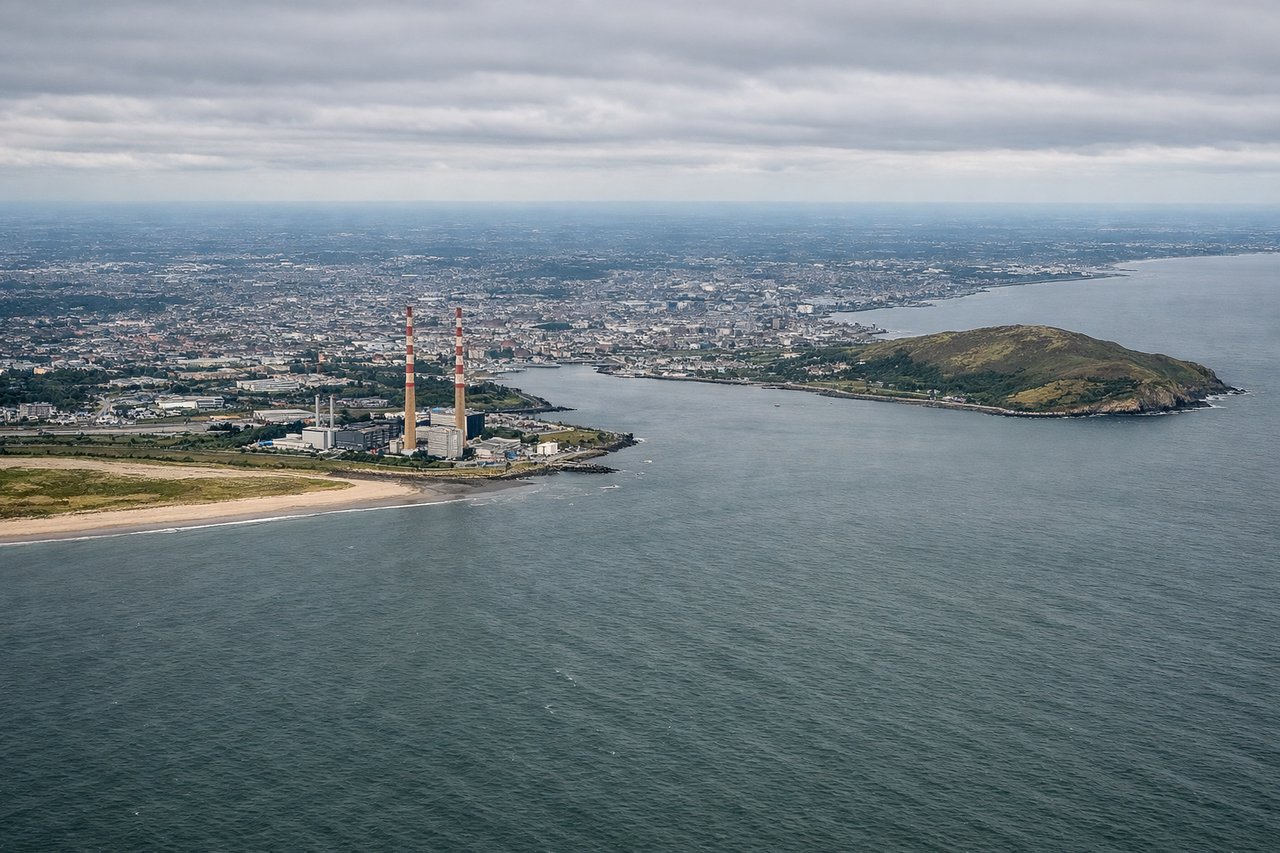
Landing at DUB
RIGHTRight side provides views of the Irish coastline, Dublin Bay, and the Wicklow Mountains as the aircraft descends toward Dublin from the east. The left side faces inland over relatively featureless agricultural terrain.
Will your flight be in sunlight?
Pick a date and time in the Sun Map to watch the sun move across your whole flight.
About This Route
Which side of the plane should I sit on flying from Riga International Airport (RIX) to Dublin (DUB)?
Sit on the Right side of the plane for the best views on flights from Riga to Dublin. While takeoff offers interesting Baltic coastal views, the landing approach into Dublin provides more dramatic and visually distinctive scenery with the Wicklow Mountains, Dublin Bay, and the Irish coastline. The right side captures these key features during descent.
What can I see during takeoff from Riga International Airport in Riga?
During takeoff from Riga International Airport (RIX), sit on the Left side for the best views. Left side offers views of the Gauja River valley and the Daugava River estuary as the aircraft climbs westward from Riga. The right side faces inland toward relatively flat terrain with fewer distinctive features during the initial climb. Notable sights include: Daugava River estuary, Gulf of Riga coastline, Gauja River valley, Riga city sprawl.
What can I see when landing at Dublin in Dublin?
When landing at Dublin (DUB), sit on the Right side for the best views. Right side provides views of the Irish coastline, Dublin Bay, and the Wicklow Mountains as the aircraft descends toward Dublin from the east. The left side faces inland over relatively featureless agricultural terrain. Notable sights include: Dublin Bay, Wicklow Mountains, Irish coastline, River Liffey estuary.
How long is the flight from Riga to Dublin?
The flight from Riga International Airport (RIX) to Dublin (DUB) takes about 2 hours 45 minutes. The shortest flight path between them is 1,207 miles (1,942 km); winds and air traffic control usually add a few percent.
What does the Riga to Dublin flight path pass over?
The flight path crosses the North Sea and the Irish Sea, passing over the Scottish lowlands and the Irish midlands. Notable features include the Firth of Forth (visible on northbound routing), the Scottish coast near Edinburgh, the Irish Sea with its shipping lanes, and the transition from flat Baltic terrain to the more varied topography of the British Isles. The Pennines in northern England may be visible on some routing variations, though the direct path typically stays west of this range.