Right-side seats score higher (3.5 vs 2.5) because they capture the Gulf of Mexico and coastal islands during departure, then deliver the dramatic Puget Sound, Olympic Mountains, and Seattle skyline during approach—two distinct scenic payoffs. Left-side views offer only flat inland terrain at RSW and distant Cascades at SEA, with less visual drama during the critical takeoff and landing phases.
Flown RSW to SEA? Did we get it right?
Flight Path
Fort Myers to Seattle is 2,621 miles (4,218 km), a flight of about 5 hours 15 minutes.
The flight crosses the continental United States from southwest to northwest. Notable features along the typical route include: the Mississippi River valley and Great Plains (flat, minimal visual interest at cruise altitude); the Rocky Mountains of Colorado and Wyoming (visible as distant ridges if flying a northern corridor); the Great Basin and high desert of Nevada and Utah (vast, open terrain); and the Cascade Range approaching Seattle. The route generally follows a northwest trajectory, with the most dramatic terrain appearing in the final 90 minutes as the aircraft descends toward the Pacific Northwest.
Great circle distance and headings ›Phase by phase
Takeoff from RSW
RIGHTRight-side departures from RSW runway 06 (northeast-facing) offer immediate views of the Gulf of Mexico coastline and Sanibel Island, with the barrier islands and coastal development visible during initial climb. Left-side views show inland swamps and flat terrain with minimal visual interest.
Landing at SEA
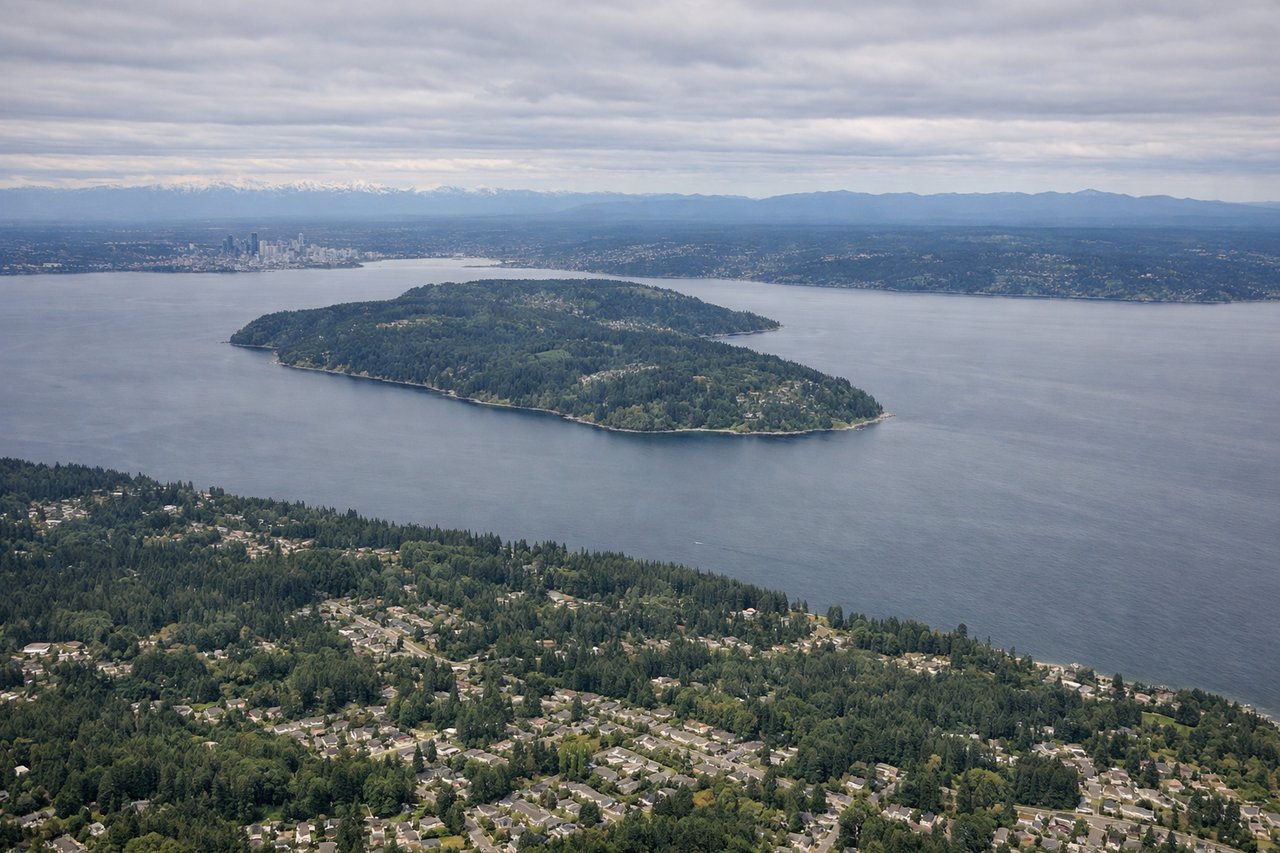
RIGHTRight-side approaches into SEA typically use runway 16 (northbound landings), which provides excellent views of Puget Sound, the Olympic Mountains to the west, and the Seattle skyline during descent and final approach. Left-side views show the Cascade Range to the east but offer less dramatic urban and water scenery during the critical landing phase.
Will your flight be in sunlight?
Pick a date and time in the Sun Map to watch the sun move across your whole flight.
About This Route
Which side of the plane should I sit on flying from Southwest Florida International (RSW) to Seattle Tacoma International (SEA)?
Sit on the Right side of the plane for the best views on flights from Fort Myers to Seattle. Right-side seats score higher (3.5 vs 2.5) because they capture the Gulf of Mexico and coastal islands during departure, then deliver the dramatic Puget Sound, Olympic Mountains, and Seattle skyline during approach—two distinct scenic payoffs. Left-side views offer only flat inland terrain at RSW and distant Cascades at SEA, with less visual drama during the critical takeoff and landing phases.
What can I see during takeoff from Southwest Florida International in Fort Myers?
During takeoff from Southwest Florida International (RSW), sit on the Right side for the best views. Right-side departures from RSW runway 06 (northeast-facing) offer immediate views of the Gulf of Mexico coastline and Sanibel Island, with the barrier islands and coastal development visible during initial climb. Left-side views show inland swamps and flat terrain with minimal visual interest. Notable sights include: Gulf of Mexico, Sanibel Island, Pine Island Sound, Caloosahatchee River estuary.
What can I see when landing at Seattle Tacoma International in Seattle?
When landing at Seattle Tacoma International (SEA), sit on the Right side for the best views. Right-side approaches into SEA typically use runway 16 (northbound landings), which provides excellent views of Puget Sound, the Olympic Mountains to the west, and the Seattle skyline during descent and final approach. Left-side views show the Cascade Range to the east but offer less dramatic urban and water scenery during the critical landing phase. Notable sights include: Puget Sound, Olympic Mountains, Seattle skyline and Elliott Bay, Lake Washington.
How long is the flight from Fort Myers to Seattle?
The flight from Southwest Florida International (RSW) to Seattle Tacoma International (SEA) takes about 5 hours 15 minutes. The shortest flight path between them is 2,621 miles (4,218 km); winds and air traffic control usually add a few percent.
What does the Fort Myers to Seattle flight path pass over?
The flight crosses the continental United States from southwest to northwest. Notable features along the typical route include: the Mississippi River valley and Great Plains (flat, minimal visual interest at cruise altitude); the Rocky Mountains of Colorado and Wyoming (visible as distant ridges if flying a northern corridor); the Great Basin and high desert of Nevada and Utah (vast, open terrain); and the Cascade Range approaching Seattle. The route generally follows a northwest trajectory, with the most dramatic terrain appearing in the final 90 minutes as the aircraft descends toward the Pacific Northwest.