The right side has the stronger takeoff, with the downtown skyline and bay, and the better southwestern US views toward Zion and the Grand Canyon region. It also usually gets the better look at London on arrival. The left side is mostly Pacific, the Great Basin and long stretches of Canadian prairie and Atlantic.
Flown SAN to LHR? Did we get it right?
Flight Path
San Diego to London is 5,472 miles (8,807 km), a flight of about 9 hours 30 minutes.
The great-circle route heads north-northeast from San Diego over inland Southern California and the Mojave Desert. It passes near southwestern Utah (Zion and the Grand Canyon region to the right), then crosses the Wasatch/Uinta Rockies and Wyoming and Montana. It continues over the Canadian prairies and Hudson Bay, then the Labrador Sea and the North Atlantic near southern Greenland. It crosses Ireland and the Irish Sea before reaching England. Actual tracks vary with winds and air traffic routing.
Great circle distance and headings ›


Phase by phase
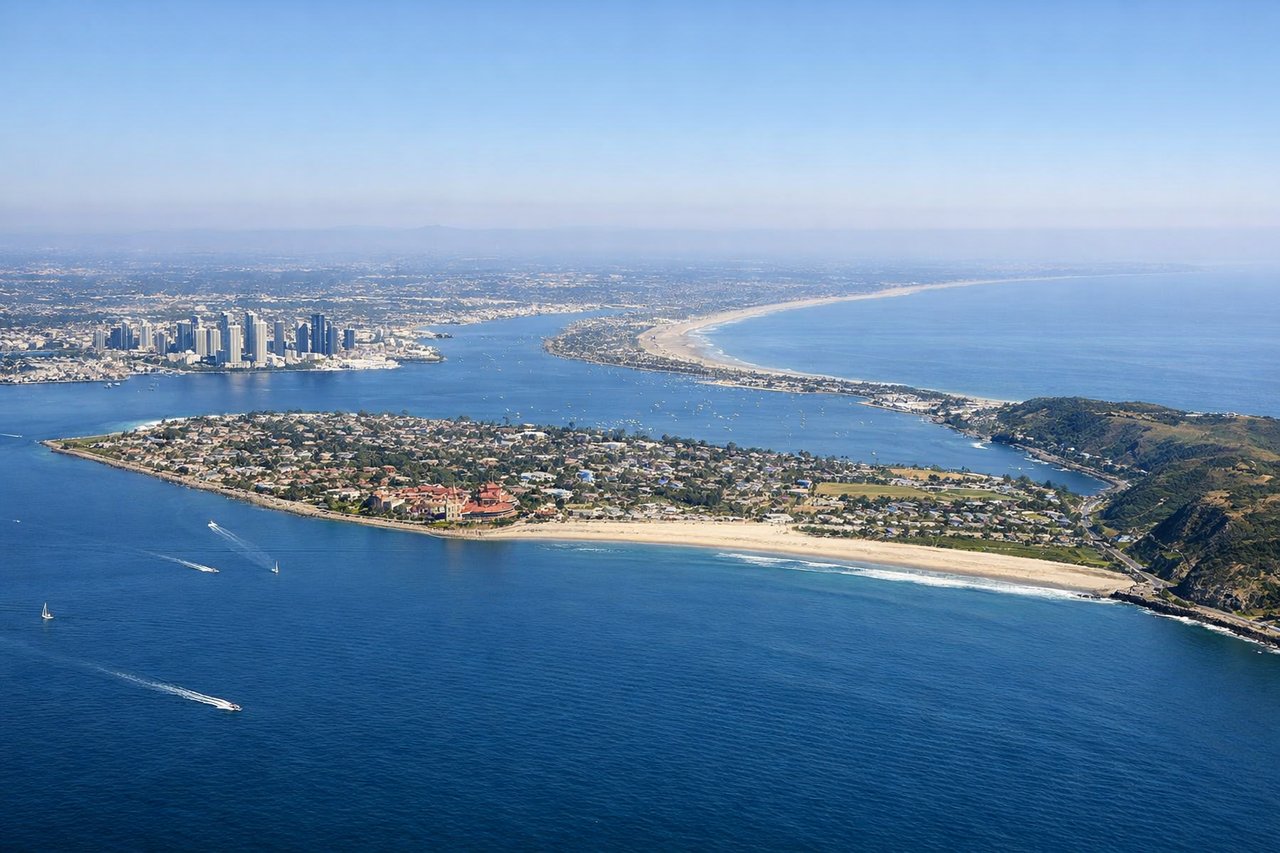
Takeoff from SAN
RIGHTDeparting west on Runway 27, the right windows face NNE toward the airport side of the bay. As the aircraft turns north and then northeast, the right side keeps the downtown skyline, San Diego Bay and the Point Loma peninsula in view. The left side mostly looks out over open Pacific.
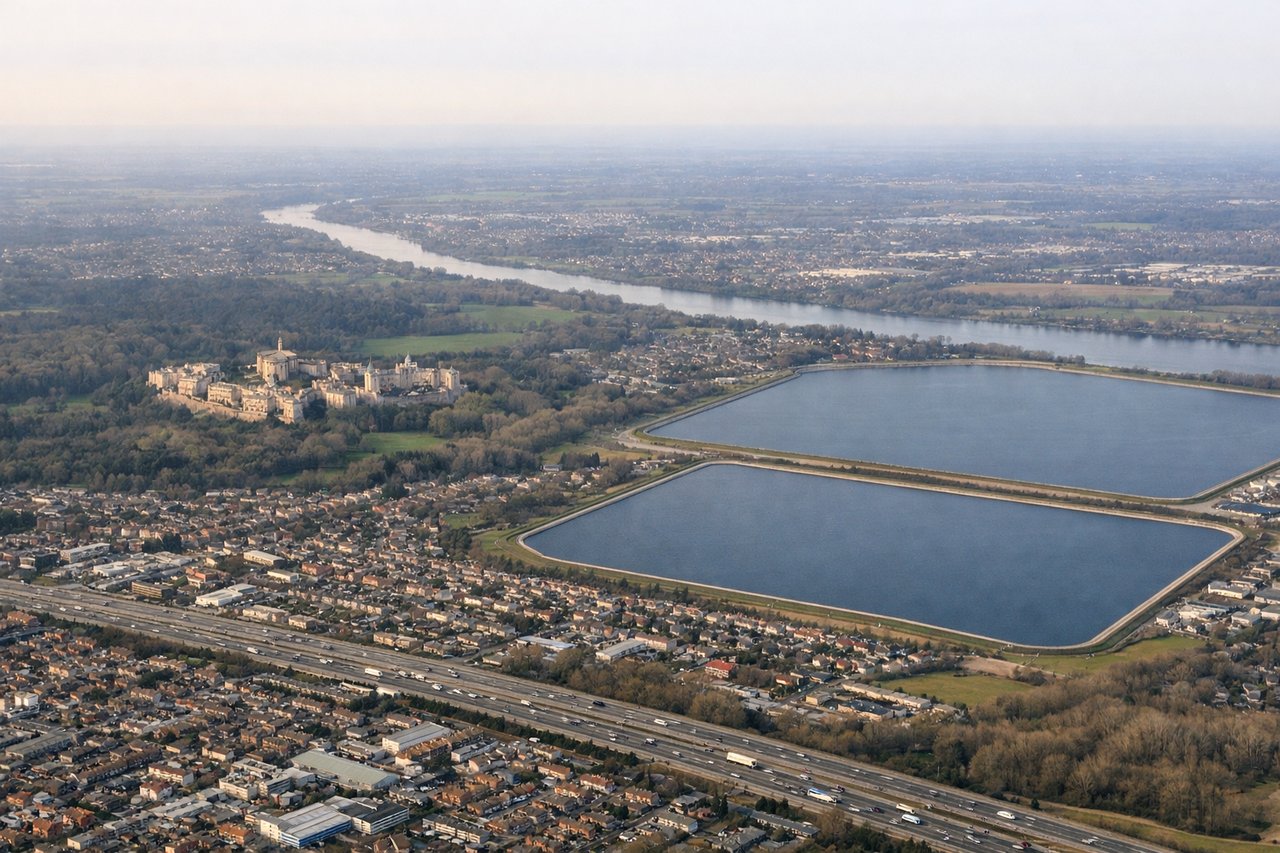
Landing at LHR
RIGHTWesterly operations are most common, so arrivals from the northwest usually come in via the Bovingdon or Lambourn holds. They then fly east-bound legs north of London before turning back toward Heathrow. The right windows look south over central London and the Thames. On final to 27L/27R, the right side still faces the north-of-centerline parts of the city, such as Hyde Park and Wembley. Exact views depend on the holding pattern and runway used.
Will your flight be in sunlight?
Pick a date and time in the Sun Map to watch the sun move across your whole flight.
About This Route
Which side of the plane should I sit on flying from San Diego International Lindbergh Fld (SAN) to Heathrow (LHR)?
Sit on the Right side of the plane for the best views on flights from San Diego to London. The right side has the stronger takeoff, with the downtown skyline and bay, and the better southwestern US views toward Zion and the Grand Canyon region. It also usually gets the better look at London on arrival. The left side is mostly Pacific, the Great Basin and long stretches of Canadian prairie and Atlantic.
What can I see during takeoff from San Diego International Lindbergh Fld in San Diego?
During takeoff from San Diego International Lindbergh Fld (SAN), sit on the Right side for the best views. Departing west on Runway 27, the right windows face NNE toward the airport side of the bay. As the aircraft turns north and then northeast, the right side keeps the downtown skyline, San Diego Bay and the Point Loma peninsula in view. The left side mostly looks out over open Pacific. Notable sights include: Downtown San Diego skyline, San Diego Bay and the Coronado Bridge, Point Loma, Mission Bay.
What can I see when landing at Heathrow in London?
When landing at Heathrow (LHR), sit on the Right side for the best views. Westerly operations are most common, so arrivals from the northwest usually come in via the Bovingdon or Lambourn holds. They then fly east-bound legs north of London before turning back toward Heathrow. The right windows look south over central London and the Thames. On final to 27L/27R, the right side still faces the north-of-centerline parts of the city, such as Hyde Park and Wembley. Exact views depend on the holding pattern and runway used. Notable sights include: The Shard and the City of London towers, Canary Wharf, the River Thames, Wembley Stadium.
How long is the flight from San Diego to London?
The flight from San Diego International Lindbergh Fld (SAN) to Heathrow (LHR) takes about 9 hours 30 minutes. The shortest flight path between them is 5,472 miles (8,807 km); winds and air traffic control usually add a few percent.
What does the San Diego to London flight path pass over?
The great-circle route heads north-northeast from San Diego over inland Southern California and the Mojave Desert. It passes near southwestern Utah (Zion and the Grand Canyon region to the right), then crosses the Wasatch/Uinta Rockies and Wyoming and Montana. It continues over the Canadian prairies and Hudson Bay, then the Labrador Sea and the North Atlantic near southern Greenland. It crosses Ireland and the Irish Sea before reaching England. Actual tracks vary with winds and air traffic routing.