While landing views favor the left, the dramatic Sierra Maestra mountain scenery during takeoff from Santiago is more visually distinctive than the gradual English countryside descent. Right-side seats capture the more memorable geographic feature of this transatlantic route.
Flown SCU to LHR? Did we get it right?
Flight Path
Santiago De Cuba to London is 4,524 miles (7,281 km), a flight of about 9 hours 30 minutes.
The flight path crosses the Atlantic Ocean for roughly 7-8 hours with no significant landmarks visible. Passengers will see open ocean, occasional cloud formations, and the curvature of the Atlantic. The route passes south of Bermuda and the Azores, then approaches the British Isles from the southwest, crossing the Bay of Biscay and the English Channel before reaching Heathrow. The most notable midpoint feature is the transition from open Atlantic waters to the continental shelf approaching Europe, though this is subtle from cruise altitude.
Great circle distance and headings ›Phase by phase
Takeoff from SCU
RIGHTRight-side seats offer views of the Sierra Maestra mountain range as the aircraft climbs out over southeastern Cuba. The mountains rise dramatically inland from Santiago, creating a striking visual during the initial climb phase.
Landing at LHR
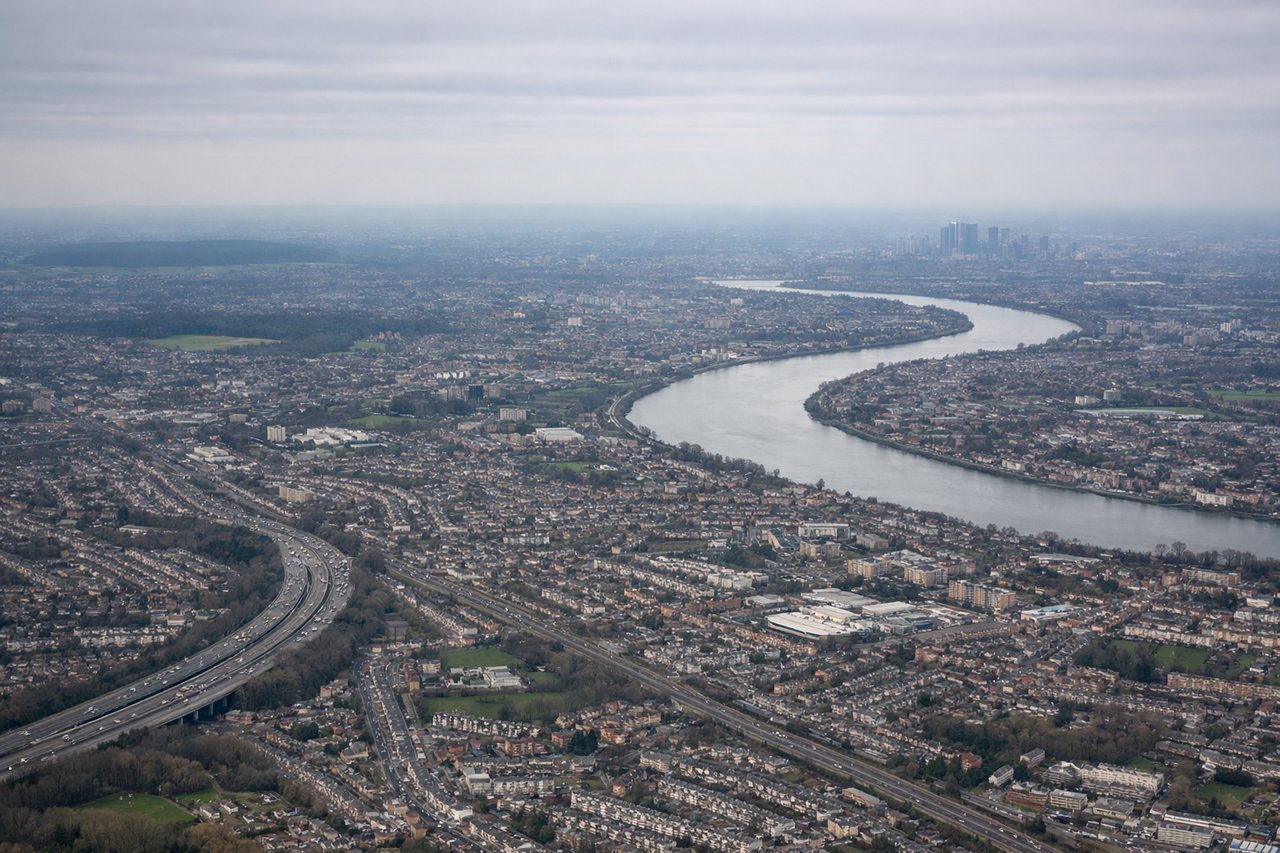
LEFTLeft-side seats provide excellent views during the descent approach to Heathrow. The aircraft descends over southern England, and left-side passengers see the Thames River valley, London's urban sprawl, and the distinctive pattern of the English countryside with its patchwork fields.
Will your flight be in sunlight?
Pick a date and time in the Sun Map to watch the sun move across your whole flight.
About This Route
Which side of the plane should I sit on flying from Antonio Maceo International (SCU) to Heathrow (LHR)?
Sit on the Right side of the plane for the best views on flights from Santiago De Cuba to London. While landing views favor the left, the dramatic Sierra Maestra mountain scenery during takeoff from Santiago is more visually distinctive than the gradual English countryside descent. Right-side seats capture the more memorable geographic feature of this transatlantic route.
What can I see during takeoff from Antonio Maceo International in Santiago De Cuba?
During takeoff from Antonio Maceo International (SCU), sit on the Right side for the best views. Right-side seats offer views of the Sierra Maestra mountain range as the aircraft climbs out over southeastern Cuba. The mountains rise dramatically inland from Santiago, creating a striking visual during the initial climb phase. Notable sights include: Sierra Maestra mountains, Santiago de Cuba harbor and coastline, Caribbean Sea to the south, Guantanamo Bay region to the east.
What can I see when landing at Heathrow in London?
When landing at Heathrow (LHR), sit on the Left side for the best views. Left-side seats provide excellent views during the descent approach to Heathrow. The aircraft descends over southern England, and left-side passengers see the Thames River valley, London's urban sprawl, and the distinctive pattern of the English countryside with its patchwork fields. Notable sights include: Thames River and its meanders, London metropolitan area sprawl, English countryside patchwork fields and villages, Heathrow Airport runways and surrounding infrastructure.
How long is the flight from Santiago De Cuba to London?
The flight from Antonio Maceo International (SCU) to Heathrow (LHR) takes about 9 hours 30 minutes. The shortest flight path between them is 4,524 miles (7,281 km); winds and air traffic control usually add a few percent.
What does the Santiago De Cuba to London flight path pass over?
The flight path crosses the Atlantic Ocean for roughly 7-8 hours with no significant landmarks visible. Passengers will see open ocean, occasional cloud formations, and the curvature of the Atlantic. The route passes south of Bermuda and the Azores, then approaches the British Isles from the southwest, crossing the Bay of Biscay and the English Channel before reaching Heathrow. The most notable midpoint feature is the transition from open Atlantic waters to the continental shelf approaching Europe, though this is subtle from cruise altitude.