While the landing favors left seats, the takeoff offers more dramatic scenery with the Picos de Europa and Cantabrian coastline. Right-side seats capture the most visually distinctive portion of the flight—the northern Spanish mountains and Bay of Biscay during climb-out.
Flight Path
The flight path crosses the Bay of Biscay heading northwest. Notable features include the Galician coast (visible to the left/north around midpoint), the open Atlantic waters of the bay, and the transition from Spanish to Irish airspace. The Celtic Sea crossing offers relatively open water views with occasional shipping traffic visible below. As the aircraft approaches Ireland, the Irish coastline becomes visible, with County Wexford and the southeastern Irish coast appearing first, followed by the gradual approach to Dublin Bay from the southwest.
Great circle distance and headings ›Phase by phase
Takeoff from SDR
RIGHTRight-side seats offer views of the Cantabrian coastline and the Picos de Europa mountains as the aircraft climbs northwestward out of Santander. The Bay of Biscay opens up dramatically to the right, with the rugged northern Spanish coast receding below.
Landing at DUB
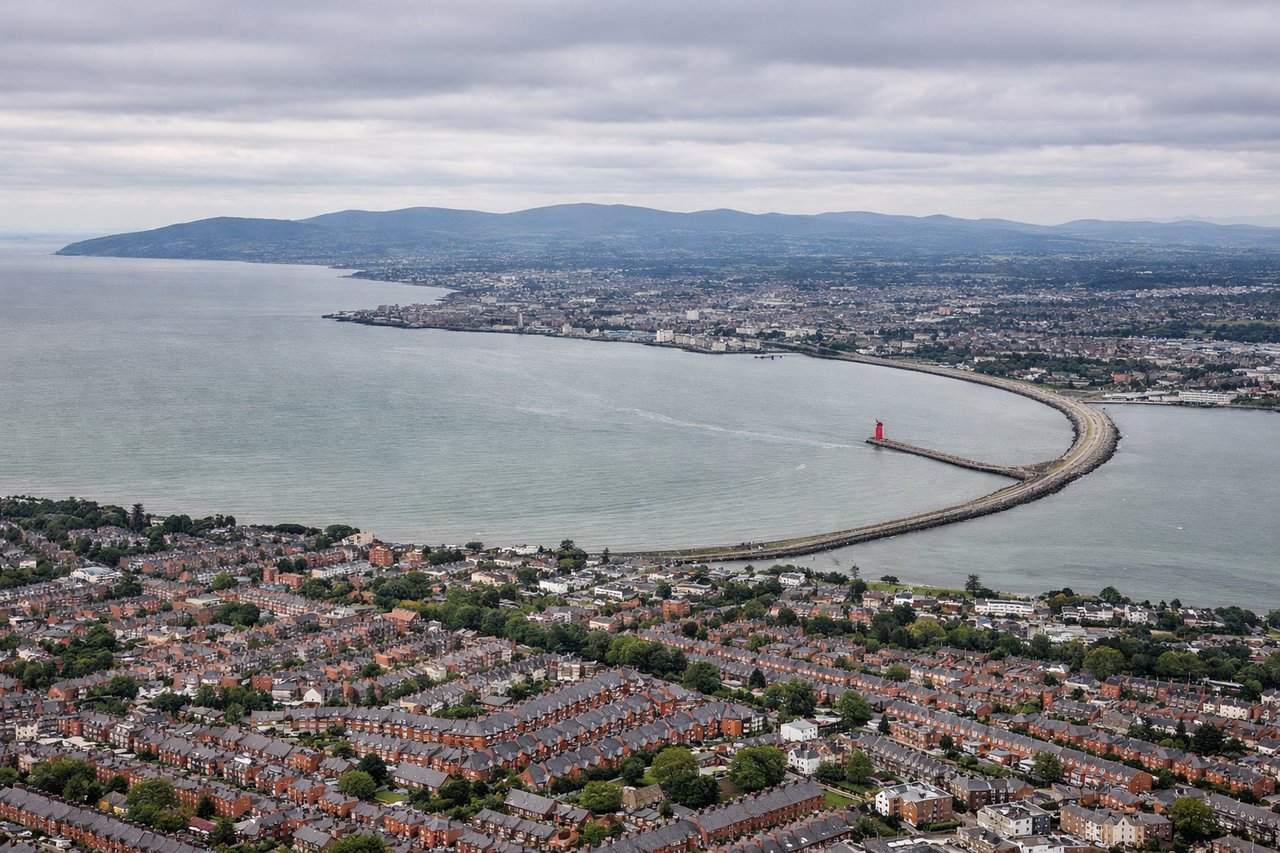
LEFTLeft-side seats provide excellent views during descent into Dublin, including the Irish coastline, Dublin Bay, and the city itself. As the aircraft approaches from the southwest, the left side reveals the Wicklow Mountains inland and the distinctive geography of Dublin's coastal setting.
Will your flight be in sunlight?
See exactly which side of the plane gets sun and shade at your departure time.
About This Route
Which side of the plane should I sit on flying from Santander (SDR) to Dublin (DUB)?
Sit on the Right side of the plane for the best views on flights from Santander to Dublin. While the landing favors left seats, the takeoff offers more dramatic scenery with the Picos de Europa and Cantabrian coastline. Right-side seats capture the most visually distinctive portion of the flight—the northern Spanish mountains and Bay of Biscay during climb-out.
What can I see during takeoff from Santander in Santander?
During takeoff from Santander (SDR), sit on the Right side for the best views. Right-side seats offer views of the Cantabrian coastline and the Picos de Europa mountains as the aircraft climbs northwestward out of Santander. The Bay of Biscay opens up dramatically to the right, with the rugged northern Spanish coast receding below. Notable sights include: Picos de Europa (inland to the southeast), Cantabrian coastline, Bay of Biscay, Santander city and harbor.
What can I see when landing at Dublin in Dublin?
When landing at Dublin (DUB), sit on the Left side for the best views. Left-side seats provide excellent views during descent into Dublin, including the Irish coastline, Dublin Bay, and the city itself. As the aircraft approaches from the southwest, the left side reveals the Wicklow Mountains inland and the distinctive geography of Dublin's coastal setting. Notable sights include: Dublin Bay, Wicklow Mountains, Irish coastline, Dublin city and Liffey River.
How long is the flight from Santander to Dublin?
The flight from Santander (SDR) to Dublin (DUB) takes Approximately 2 hours 15 minutes.
What does the Santander to Dublin flight path pass over?
The flight path crosses the Bay of Biscay heading northwest. Notable features include the Galician coast (visible to the left/north around midpoint), the open Atlantic waters of the bay, and the transition from Spanish to Irish airspace. The Celtic Sea crossing offers relatively open water views with occasional shipping traffic visible below. As the aircraft approaches Ireland, the Irish coastline becomes visible, with County Wexford and the southeastern Irish coast appearing first, followed by the gradual approach to Dublin Bay from the southwest.