The left side wins overall because the Mount Rainier and Cascades departure delivers several minutes of dramatic, high-contrast mountain scenery, while the Singapore skyline on landing is a brief, often hazy glimpse just before touchdown. With roughly 17 hours of open Pacific and South China Sea cruising in between offering little differentiation between sides, the stronger and longer-lasting takeoff view tips the balance.
Flight Path
North Pacific Ocean, waters east of Japan, Philippine Sea, South China Sea
Great circle distance and headings ›

Phase by phase
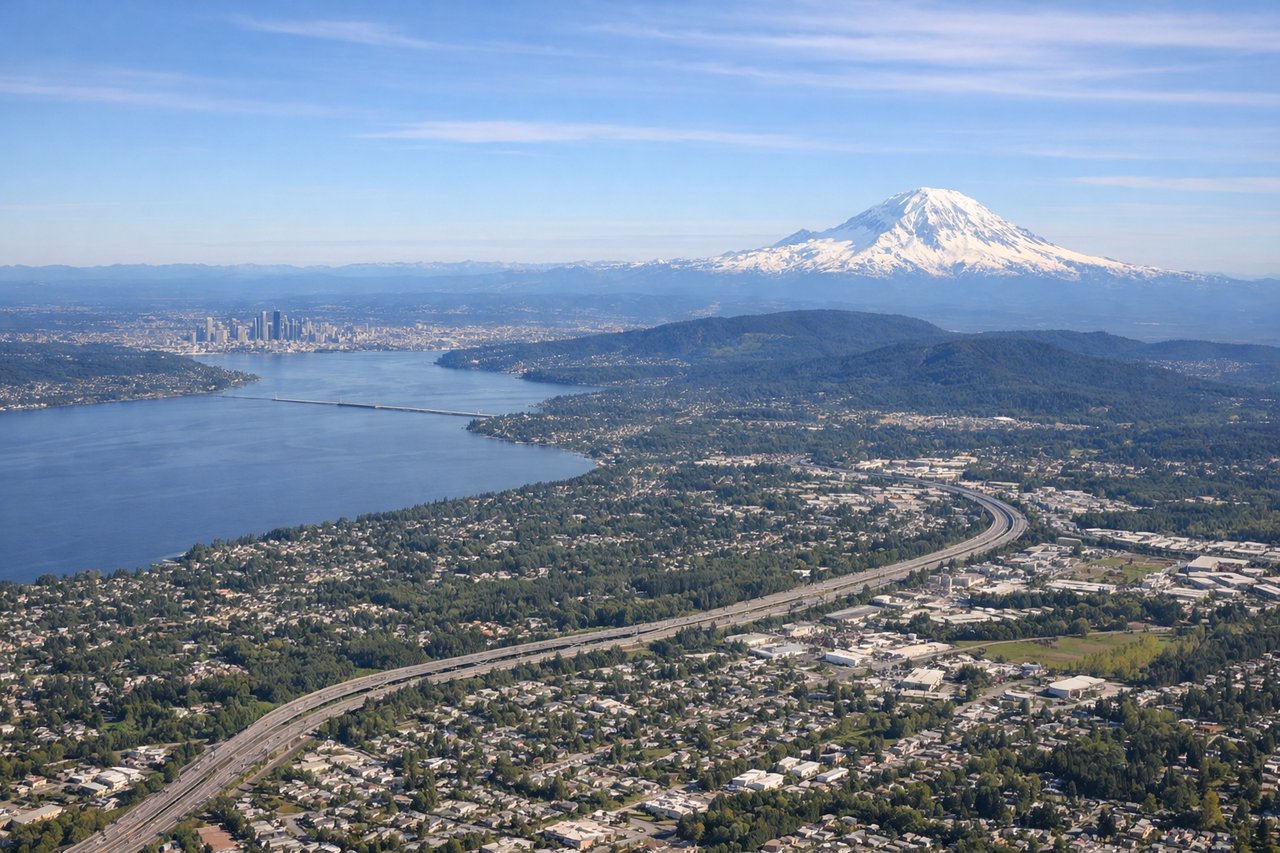
Takeoff from SEA
LEFTDeparting Sea-Tac to the south before banking west toward the Pacific, the left side keeps Mount Rainier's snow-capped cone in view above the Cascade foothills, with Puget Sound and the Olympic Mountains rounding out the scene as the plane turns onto its oceanic heading.
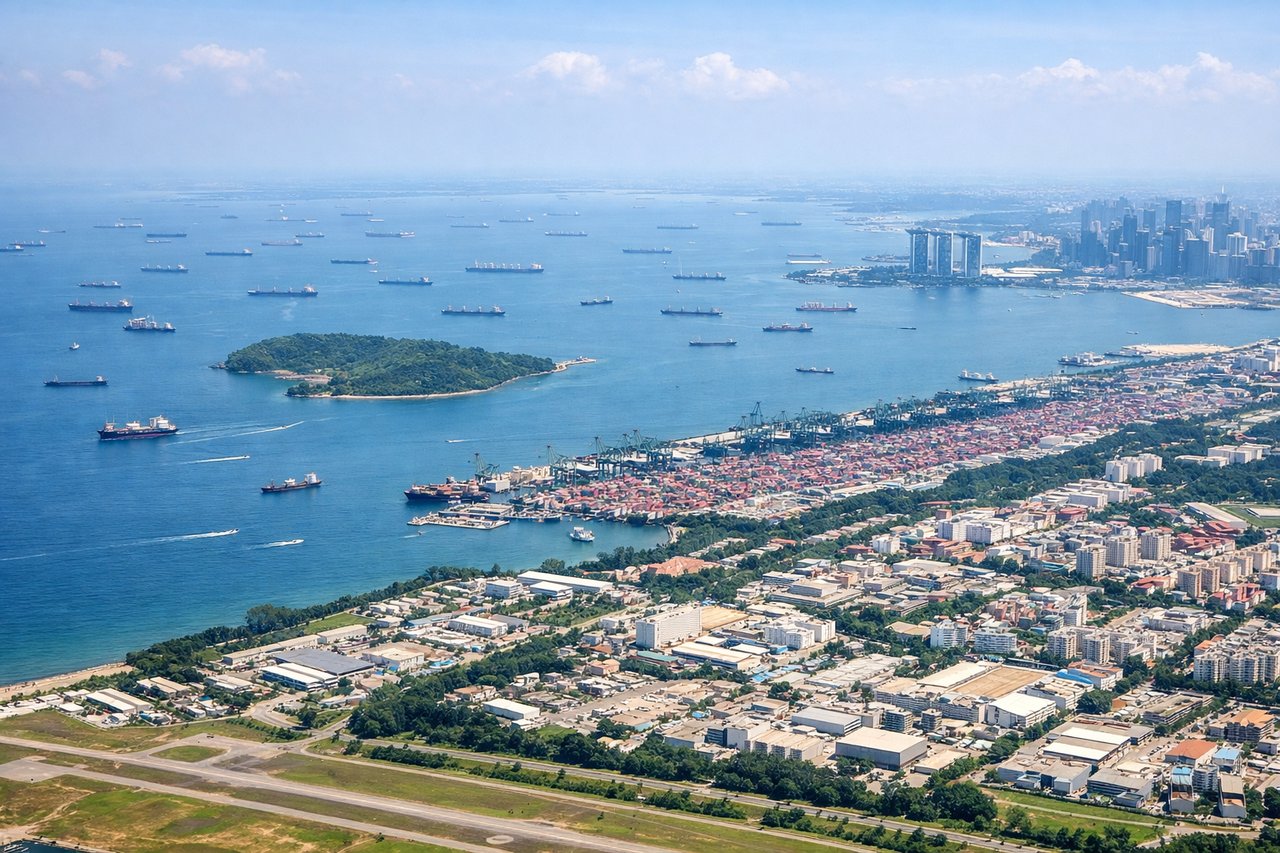
Landing at SIN
RIGHTOn final approach into Changi from the northeast, the right side faces southwest toward central Singapore, giving a clear look at the Marina Bay skyline and the dense cluster of ships anchored in the Singapore Strait just before touchdown.
Landmarks on this routeAll landmarks →
Will your flight be in sunlight?
See exactly which side of the plane gets sun and shade at your departure time.
About This Route
Which side of the plane should I sit on flying from Seattle Tacoma International (SEA) to Singapore Changi (SIN)?
Sit on the Left side of the plane for the best views on flights from Seattle to Singapore. The left side wins overall because the Mount Rainier and Cascades departure delivers several minutes of dramatic, high-contrast mountain scenery, while the Singapore skyline on landing is a brief, often hazy glimpse just before touchdown. With roughly 17 hours of open Pacific and South China Sea cruising in between offering little differentiation between sides, the stronger and longer-lasting takeoff view tips the balance.
What can I see during takeoff from Seattle Tacoma International in Seattle?
During takeoff from Seattle Tacoma International (SEA), sit on the Left side for the best views. Departing Sea-Tac to the south before banking west toward the Pacific, the left side keeps Mount Rainier's snow-capped cone in view above the Cascade foothills, with Puget Sound and the Olympic Mountains rounding out the scene as the plane turns onto its oceanic heading. Notable sights include: Mount Rainier, Puget Sound, Olympic Mountains, Cascade foothills.
What can I see when landing at Singapore Changi in Singapore?
When landing at Singapore Changi (SIN), sit on the Right side for the best views. On final approach into Changi from the northeast, the right side faces southwest toward central Singapore, giving a clear look at the Marina Bay skyline and the dense cluster of ships anchored in the Singapore Strait just before touchdown. Notable sights include: Marina Bay Sands, Singapore CBD skyline, Singapore Strait ship anchorage, Sentosa Island.
How long is the flight from Seattle to Singapore?
The flight from Seattle Tacoma International (SEA) to Singapore Changi (SIN) takes 17h 55m.
What does the Seattle to Singapore flight path pass over?
North Pacific Ocean, waters east of Japan, Philippine Sea, South China Sea