The right side wins across all three phases: a city-and-harbor departure from Singapore, a cruise track that keeps the Himalayan foothills, Hindu Kush, Zagros Mountains, and Alps in view to the north, and a Thames-side descent into Heathrow with London landmarks and Windsor Castle.
Flight Path
Bay of Bengal, the Indian subcontinent near the Ganges plain, the Zagros Mountains of Iran, the Anatolian plateau of Turkey, and the Alps before the descent toward the English Channel
Great circle distance and headings ›


.jpg?width=600)


.jpeg?width=600)
Phase by phase
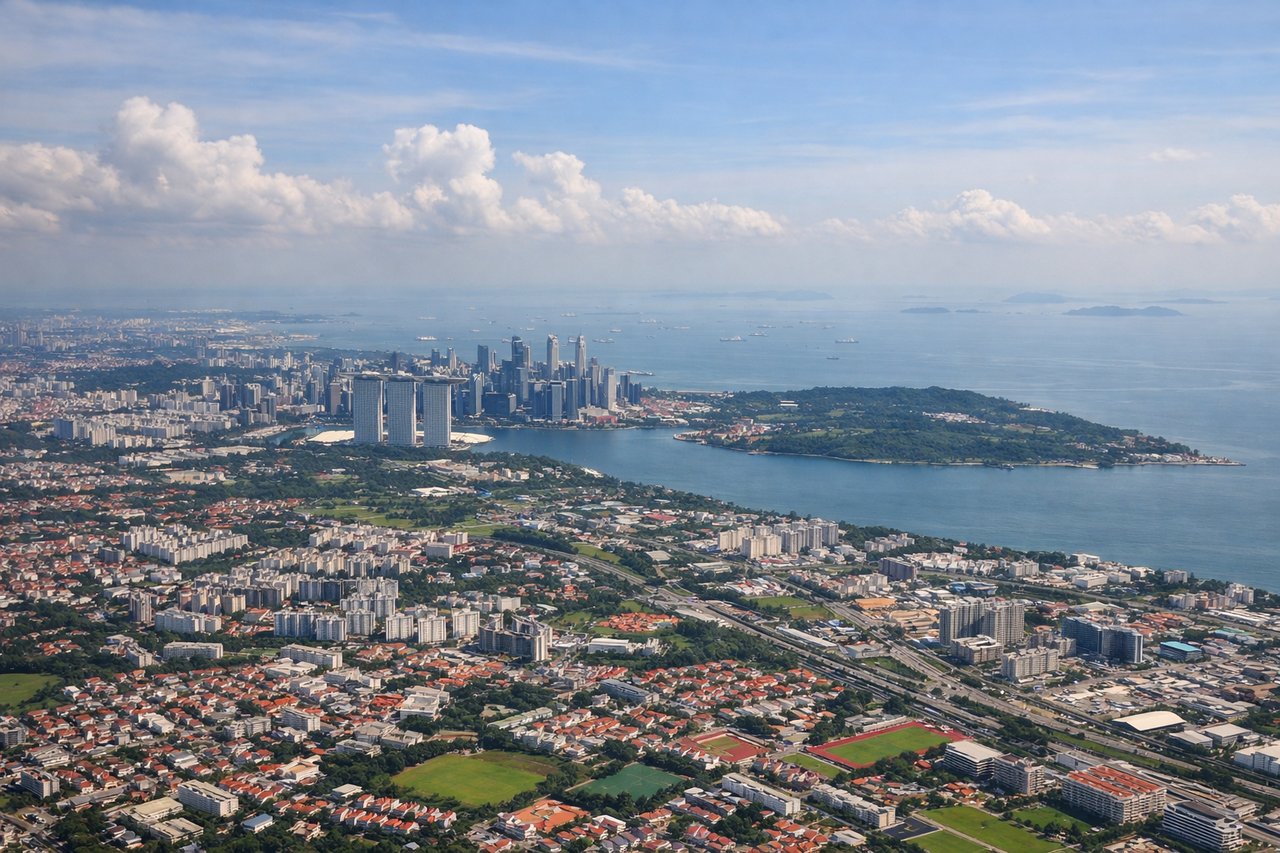
Takeoff from SIN
RIGHTDeparting Changi and turning onto the westbound track, the right side gives a clear look back at Singapore's skyline and the Strait of Malacca shipping lanes, while the left side mostly shows open water and Indonesian coastline with less detail.
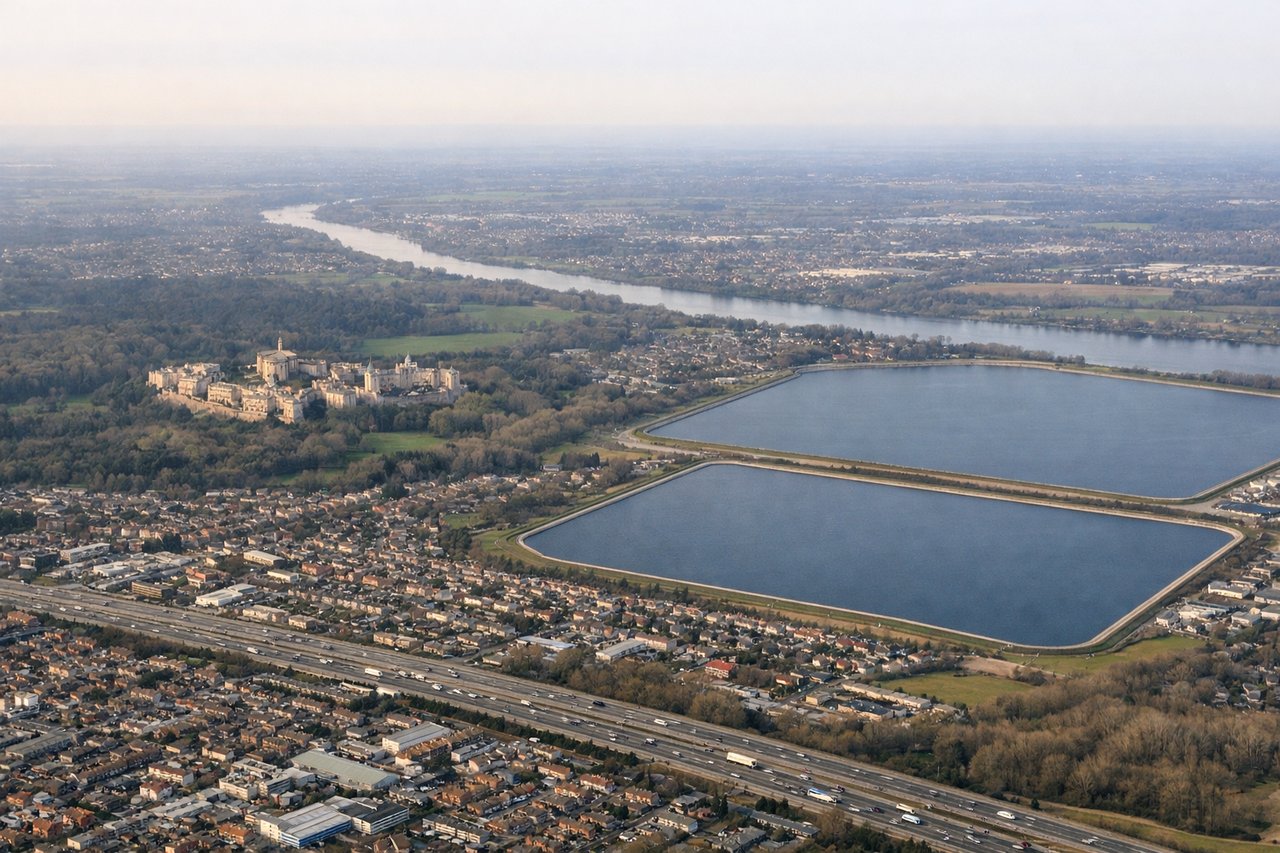
Landing at LHR
RIGHTOn the common easterly approach into Heathrow, the aircraft tracks the Thames past central London before turning onto final, and the right side typically has the clearer view of the river, city landmarks, and Windsor Castle near touchdown.
Landmarks on this routeAll landmarks →
Will your flight be in sunlight?
See exactly which side of the plane gets sun and shade at your departure time.
About This Route
Which side of the plane should I sit on flying from Singapore Changi (SIN) to Heathrow (LHR)?
Sit on the Right side of the plane for the best views on flights from Singapore to London. The right side wins across all three phases: a city-and-harbor departure from Singapore, a cruise track that keeps the Himalayan foothills, Hindu Kush, Zagros Mountains, and Alps in view to the north, and a Thames-side descent into Heathrow with London landmarks and Windsor Castle.
What can I see during takeoff from Singapore Changi in Singapore?
During takeoff from Singapore Changi (SIN), sit on the Right side for the best views. Departing Changi and turning onto the westbound track, the right side gives a clear look back at Singapore's skyline and the Strait of Malacca shipping lanes, while the left side mostly shows open water and Indonesian coastline with less detail. Notable sights include: Marina Bay Sands and the CBD skyline, Sentosa Island, Singapore Strait shipping lanes, Riau Archipelago in the distance.
What can I see when landing at Heathrow in London?
When landing at Heathrow (LHR), sit on the Right side for the best views. On the common easterly approach into Heathrow, the aircraft tracks the Thames past central London before turning onto final, and the right side typically has the clearer view of the river, city landmarks, and Windsor Castle near touchdown. Notable sights include: River Thames through central London, London Eye and Houses of Parliament, Tower Bridge, Windsor Castle near final approach.
How long is the flight from Singapore to London?
The flight from Singapore Changi (SIN) to Heathrow (LHR) takes 13h 25m.
What does the Singapore to London flight path pass over?
Bay of Bengal, the Indian subcontinent near the Ganges plain, the Zagros Mountains of Iran, the Anatolian plateau of Turkey, and the Alps before the descent toward the English Channel