San Jose to Tokyo is 5,142 miles (8,276 km), a flight of about 10 hours 50 minutes.
The right side wins on the strength of San Francisco Bay views during departure and Boso Peninsula/Tokyo Bay glimpses during arrival, while the long cruise phase over open North Pacific waters offers little distinction between sides.
Flight Path
Open North Pacific Ocean, passing south of the Aleutian Islands and north of the main Hawaiian chain along the great circle route
Great circle distance and headings ›


Phase by phase
Takeoff from SJC
RIGHTDeparting SJC on runway 30 toward the northwest, the right side faces northeast toward the San Francisco Bay, giving passengers a good look at the South Bay shoreline, the Diablo Range foothills, and the San Francisco skyline in the distance as the plane climbs out. The left side only shows the comparatively low, less distinctive Santa Cruz Mountains.
Landing at NRT
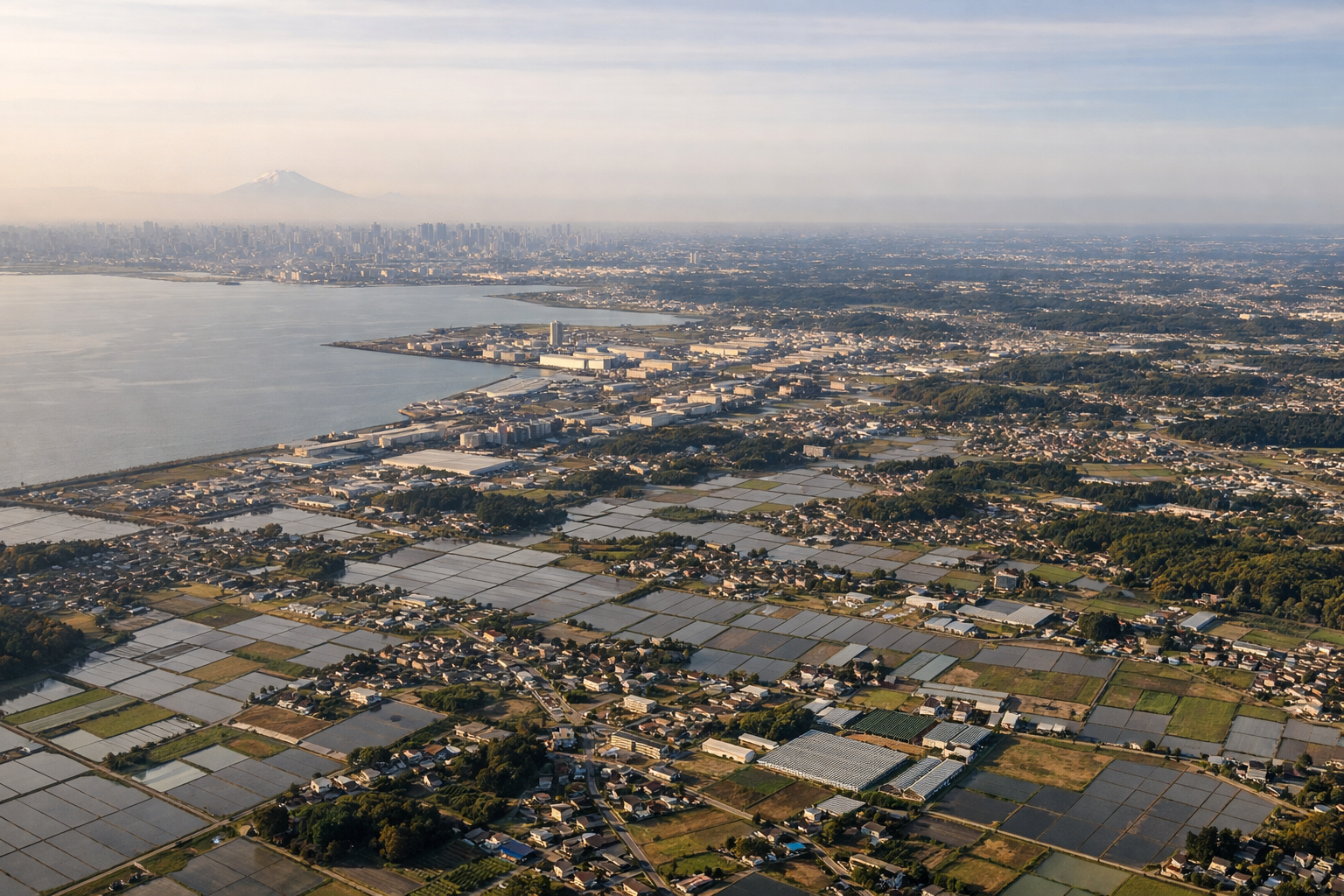
RIGHTOn approach into Narita, arriving flights typically descend from the northeast over the Pacific before turning to align with the runway, and on many approaches the right side offers views over the Boso Peninsula's coastline and, on clear days, a distant glimpse of Tokyo Bay to the southwest. The left side mostly faces open ocean during this turn.
Landmarks on this routeAll landmarks →
Will your flight be in sunlight?
Pick a date and time in the Sun Map to watch the sun move across your whole flight.
About This Route
Which side of the plane should I sit on flying from Norman Y Mineta San Jose International (SJC) to New Tokyo International (NRT)?
Sit on the Right side of the plane for the best views on flights from San Jose to Tokyo. The right side wins on the strength of San Francisco Bay views during departure and Boso Peninsula/Tokyo Bay glimpses during arrival, while the long cruise phase over open North Pacific waters offers little distinction between sides.
What can I see during takeoff from Norman Y Mineta San Jose International in San Jose?
During takeoff from Norman Y Mineta San Jose International (SJC), sit on the Right side for the best views. Departing SJC on runway 30 toward the northwest, the right side faces northeast toward the San Francisco Bay, giving passengers a good look at the South Bay shoreline, the Diablo Range foothills, and the San Francisco skyline in the distance as the plane climbs out. The left side only shows the comparatively low, less distinctive Santa Cruz Mountains. Notable sights include: South San Francisco Bay, Diablo Range foothills, San Francisco skyline, Oakland Hills.
What can I see when landing at New Tokyo International in Tokyo?
When landing at New Tokyo International (NRT), sit on the Right side for the best views. On approach into Narita, arriving flights typically descend from the northeast over the Pacific before turning to align with the runway, and on many approaches the right side offers views over the Boso Peninsula's coastline and, on clear days, a distant glimpse of Tokyo Bay to the southwest. The left side mostly faces open ocean during this turn. Notable sights include: Boso Peninsula coastline, Tokyo Bay (distant), Chiba farmland, Narita approach lights.
How long is the flight from San Jose to Tokyo?
The flight from Norman Y Mineta San Jose International (SJC) to New Tokyo International (NRT) takes about 10 hours 50 minutes. The shortest flight path between them is 5,142 miles (8,276 km); winds and air traffic control usually add a few percent.
What does the San Jose to Tokyo flight path pass over?
Open North Pacific Ocean, passing south of the Aleutian Islands and north of the main Hawaiian chain along the great circle route