San Jose to Denver is 946 miles (1,522 km), a flight of about 2 hours 15 minutes.
The right side strings together a more continuous run of terrain: Mount Diablo and the Central Valley on climb-out, the southern Sierra Nevada and Utah's colorful canyon country during cruise, and a close-up Front Range approach into Denver — more sustained drama than the brief Bay Area glimpse on the left.
Flight Path
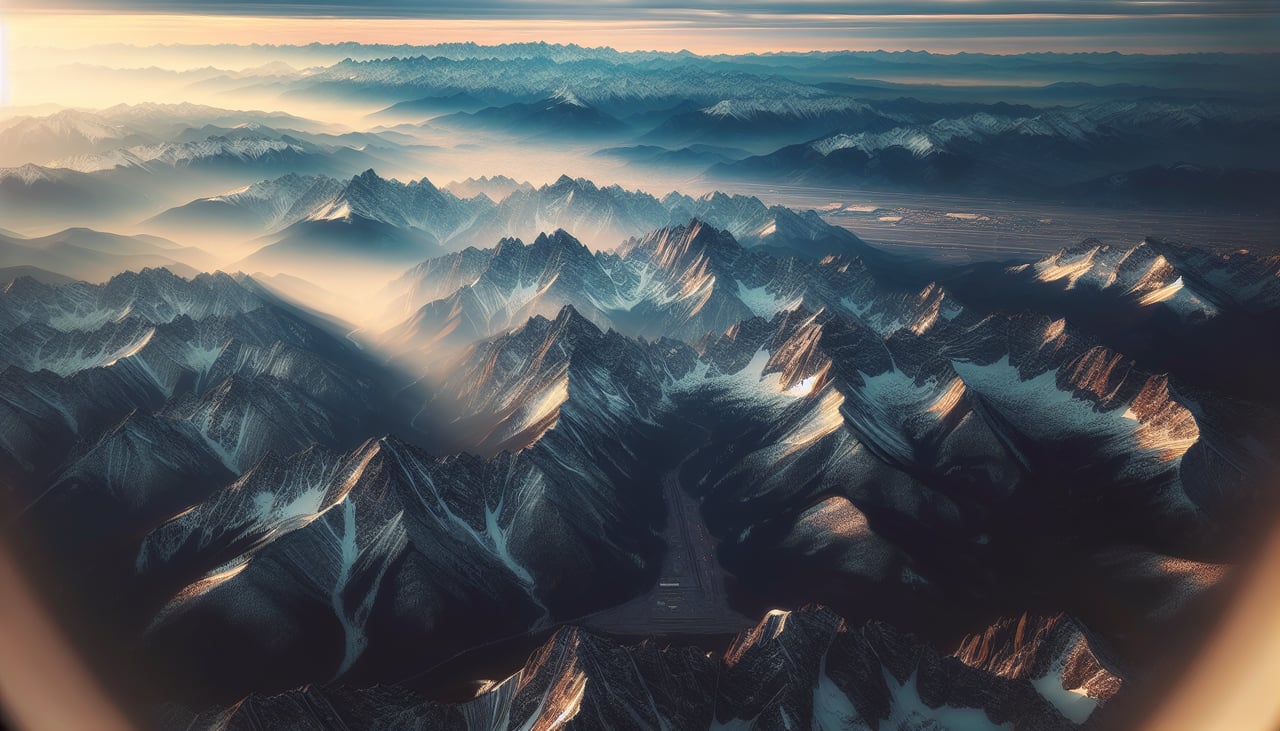
Sierra Nevada high country, Nevada's basin-and-range desert ridges, Utah's Wasatch Range and Great Salt Lake visible to the north of track, and the Colorado Rockies rising ahead of the Denver descent
Great circle distance and headings ›

.jpg?width=600)
Phase by phase
Takeoff from SJC
LEFTSJC's prevailing departure runway 30 points almost straight at San Francisco, so as the jet banks right to establish its eastbound course, the left side gets a sweeping farewell look at South San Francisco Bay, the city skyline, and the East Bay hills before the turn is complete.
Landing at DEN
RIGHTDenver typically lands south-facing traffic on the 17-series runways, so inbound flights from the west swing north and turn south for final — putting the Front Range foothills and snow-dusted peaks like Longs Peak squarely off the right wing during descent.
Landmarks on this routeAll landmarks →
Will your flight be in sunlight?
Pick a date and time in the Sun Map to watch the sun move across your whole flight.
About This Route
Which side of the plane should I sit on flying from Norman Y Mineta San Jose International (SJC) to Denver International (DEN)?
Sit on the Right side of the plane for the best views on flights from San Jose to Denver. The right side strings together a more continuous run of terrain: Mount Diablo and the Central Valley on climb-out, the southern Sierra Nevada and Utah's colorful canyon country during cruise, and a close-up Front Range approach into Denver — more sustained drama than the brief Bay Area glimpse on the left.
What can I see during takeoff from Norman Y Mineta San Jose International in San Jose?
During takeoff from Norman Y Mineta San Jose International (SJC), sit on the Left side for the best views. SJC's prevailing departure runway 30 points almost straight at San Francisco, so as the jet banks right to establish its eastbound course, the left side gets a sweeping farewell look at South San Francisco Bay, the city skyline, and the East Bay hills before the turn is complete. Notable sights include: San Francisco Bay, San Francisco skyline, Bay Bridge, East Bay hills (Oakland/Berkeley).
What can I see when landing at Denver International in Denver?
When landing at Denver International (DEN), sit on the Right side for the best views. Denver typically lands south-facing traffic on the 17-series runways, so inbound flights from the west swing north and turn south for final — putting the Front Range foothills and snow-dusted peaks like Longs Peak squarely off the right wing during descent. Notable sights include: Front Range foothills, Longs Peak, Boulder Flatirons, Denver's western suburbs.
How long is the flight from San Jose to Denver?
The flight from Norman Y Mineta San Jose International (SJC) to Denver International (DEN) takes about 2 hours 15 minutes. The shortest flight path between them is 946 miles (1,522 km); winds and air traffic control usually add a few percent.
What does the San Jose to Denver flight path pass over?
Sierra Nevada high country, Nevada's basin-and-range desert ridges, Utah's Wasatch Range and Great Salt Lake visible to the north of track, and the Colorado Rockies rising ahead of the Denver descent