While the right side dominates during takeoff from San Juan, the left side provides the more dramatic and sustained views for the majority of this transatlantic flight. The approach to Madrid and the views of the Iberian Peninsula's geography outweigh the initial Caribbean scenery.
Flown SJU to MAD? Did we get it right?
Flight Path
San Juan to Madrid is 3,963 miles (6,379 km), a flight of about 8 hours 45 minutes.
The flight path crosses the Atlantic Ocean for roughly 7 hours with no significant landmarks visible—only open ocean. Passengers may glimpse the Azores archipelago (Portugal) if the aircraft passes near 38°N, 25°W, though this depends on the specific routing. The eastern Atlantic approaches show the Portuguese coast and the Iberian Peninsula's western edge near Lisbon before the final descent toward Madrid. The Strait of Gibraltar and North African coast remain south of the typical flight corridor.
Great circle distance and headings ›Phase by phase
Takeoff from SJU
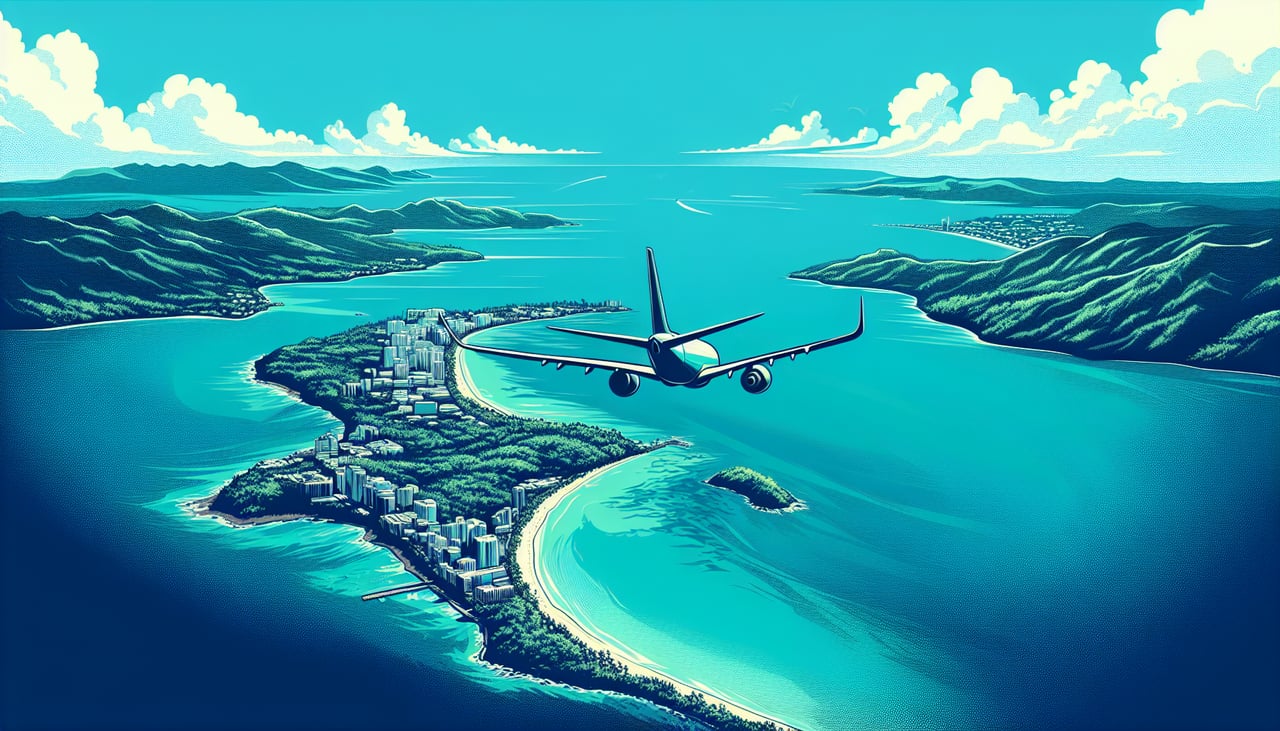
RIGHTRight-side seats offer views of the Puerto Rico coastline and the Atlantic Ocean as the aircraft climbs northeastward from SJU. The island's northern shore and surrounding waters are the dominant visual feature during the initial climb phase.
Landing at MAD
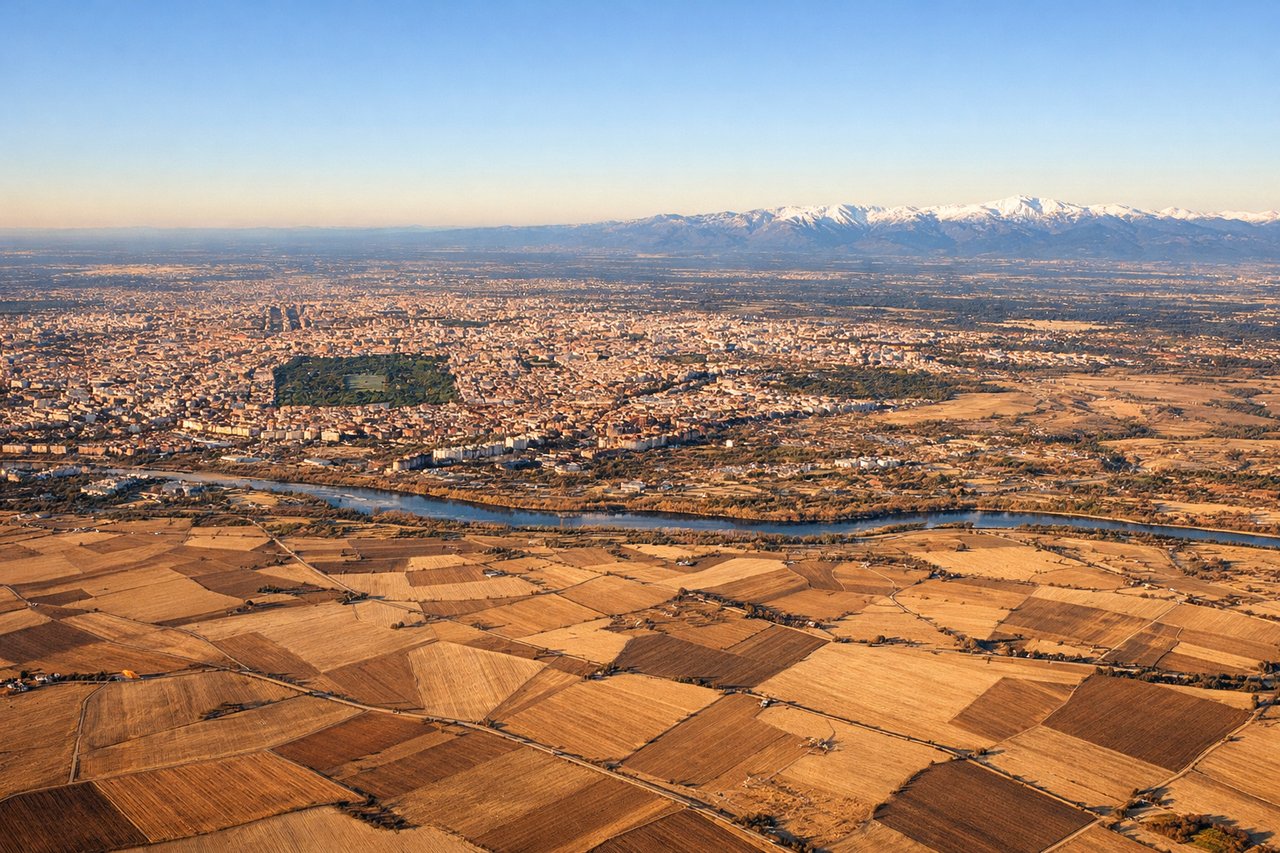
LEFTLeft-side seats provide views of the Iberian Peninsula's interior and the approach to Madrid from the southwest. As the aircraft descends toward Barajas, the left side reveals the Spanish plateau (Meseta Central) and the city of Madrid itself sprawling across the landscape.
Will your flight be in sunlight?
Pick a date and time in the Sun Map to watch the sun move across your whole flight.
About This Route
Which side of the plane should I sit on flying from Luis Munoz Marin International (SJU) to Barajas (MAD)?
Sit on the Left side of the plane for the best views on flights from San Juan to Madrid. While the right side dominates during takeoff from San Juan, the left side provides the more dramatic and sustained views for the majority of this transatlantic flight. The approach to Madrid and the views of the Iberian Peninsula's geography outweigh the initial Caribbean scenery.
What can I see during takeoff from Luis Munoz Marin International in San Juan?
During takeoff from Luis Munoz Marin International (SJU), sit on the Right side for the best views. Right-side seats offer views of the Puerto Rico coastline and the Atlantic Ocean as the aircraft climbs northeastward from SJU. The island's northern shore and surrounding waters are the dominant visual feature during the initial climb phase. Notable sights include: Northern Puerto Rico coastline, Atlantic Ocean, El Yunque National Forest (visible as green terrain inland), San Juan metropolitan area receding below.
What can I see when landing at Barajas in Madrid?
When landing at Barajas (MAD), sit on the Left side for the best views. Left-side seats provide views of the Iberian Peninsula's interior and the approach to Madrid from the southwest. As the aircraft descends toward Barajas, the left side reveals the Spanish plateau (Meseta Central) and the city of Madrid itself sprawling across the landscape. Notable sights include: Madrid city center and metropolitan sprawl, Meseta Central (Spanish plateau), Sierra de Guadarrama mountains (distant, to the north), Tagus River valley.
How long is the flight from San Juan to Madrid?
The flight from Luis Munoz Marin International (SJU) to Barajas (MAD) takes about 8 hours 45 minutes. The shortest flight path between them is 3,963 miles (6,379 km); winds and air traffic control usually add a few percent.
What does the San Juan to Madrid flight path pass over?
The flight path crosses the Atlantic Ocean for roughly 7 hours with no significant landmarks visible—only open ocean. Passengers may glimpse the Azores archipelago (Portugal) if the aircraft passes near 38°N, 25°W, though this depends on the specific routing. The eastern Atlantic approaches show the Portuguese coast and the Iberian Peninsula's western edge near Lisbon before the final descent toward Madrid. The Strait of Gibraltar and North African coast remain south of the typical flight corridor.