The takeoff from Sharm El Sheikh offers more dramatic and visually distinctive scenery—the Red Sea and Sinai escarpment are striking natural features. While the Manchester landing provides urban and moorland interest, the Egyptian departure has greater visual impact.
Flight Path
The flight path crosses the Mediterranean Sea north of Libya and Tunisia, then continues over southern Italy (Sicily visible on the right), the Tyrrhenian Sea, and the Italian peninsula. The Alps appear as a distant ridge on the right during the northern Mediterranean crossing. Southern France and the Bay of Biscay follow before reaching the UK.
Great circle distance and headings ›.JPG?width=600)
.jpg?width=600)


Phase by phase
Takeoff from SSH
RIGHTRight-side seats offer views of the Red Sea coastline and the Sinai Peninsula's dramatic terrain as the aircraft climbs out. The western escarpment of the Sinai rises sharply inland, creating a visually striking contrast with the coastal flats.
Landing at MAN
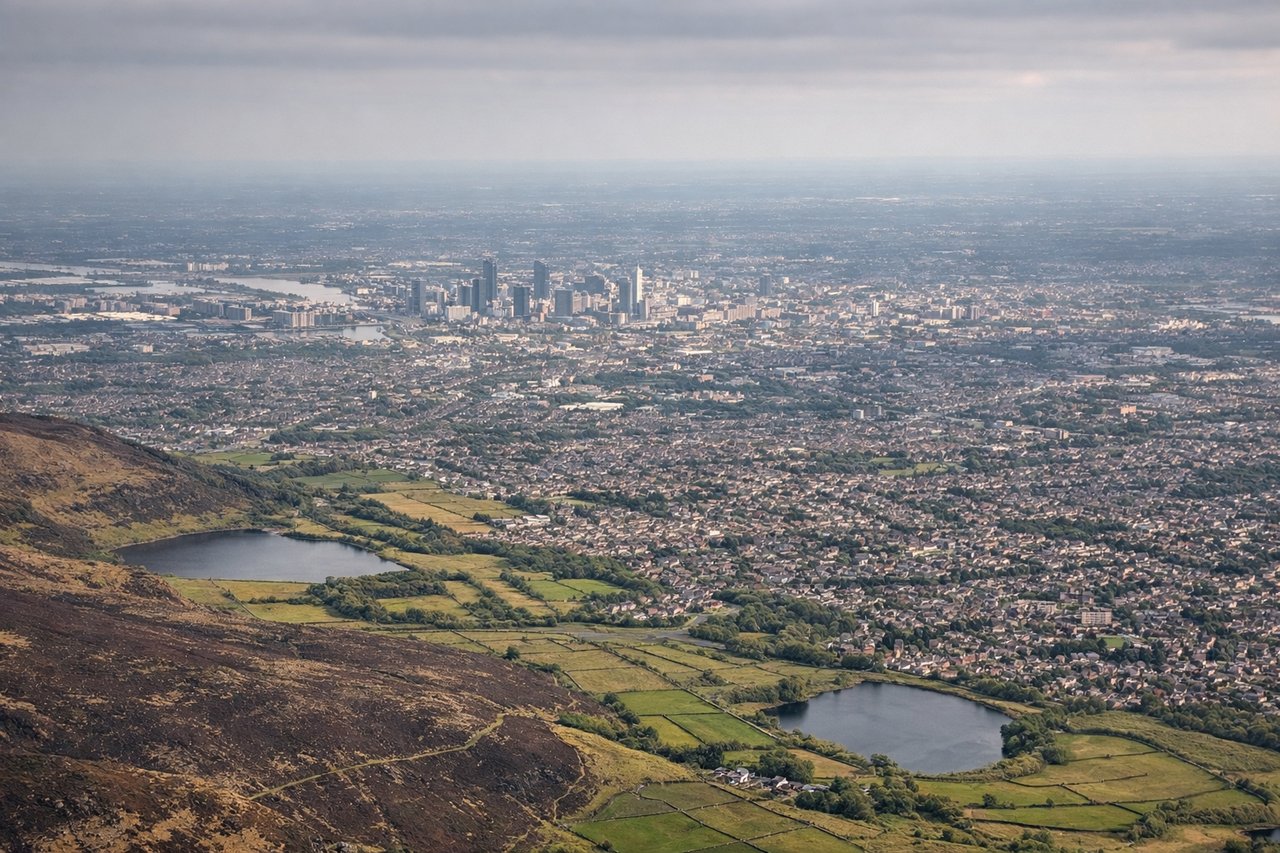
LEFTLeft-side seats provide excellent views during descent into Manchester. The approach typically brings the aircraft over the Pennines and the industrial heartland of northwest England, with the Manchester conurbation and surrounding moorland clearly visible.
Landmarks on this routeAll landmarks →
Will your flight be in sunlight?
See exactly which side of the plane gets sun and shade at your departure time.
About This Route
Which side of the plane should I sit on flying from Sharm El Sheikh International Airport (SSH) to Manchester (MAN)?
Sit on the Right side of the plane for the best views on flights from Sharm El Sheikh to Manchester. The takeoff from Sharm El Sheikh offers more dramatic and visually distinctive scenery—the Red Sea and Sinai escarpment are striking natural features. While the Manchester landing provides urban and moorland interest, the Egyptian departure has greater visual impact.
What can I see during takeoff from Sharm El Sheikh International Airport in Sharm El Sheikh?
During takeoff from Sharm El Sheikh International Airport (SSH), sit on the Right side for the best views. Right-side seats offer views of the Red Sea coastline and the Sinai Peninsula's dramatic terrain as the aircraft climbs out. The western escarpment of the Sinai rises sharply inland, creating a visually striking contrast with the coastal flats. Notable sights include: Red Sea coastline, Sinai Peninsula escarpment, Gulf of Aqaba (northern horizon), Sharm El Sheikh city and marina.
What can I see when landing at Manchester in Manchester?
When landing at Manchester (MAN), sit on the Left side for the best views. Left-side seats provide excellent views during descent into Manchester. The approach typically brings the aircraft over the Pennines and the industrial heartland of northwest England, with the Manchester conurbation and surrounding moorland clearly visible. Notable sights include: Pennine Hills, Manchester city center and sprawl, Cheshire Plain, Mersey River valley.
How long is the flight from Sharm El Sheikh to Manchester?
The flight from Sharm El Sheikh International Airport (SSH) to Manchester (MAN) takes 5h 15m.
What does the Sharm El Sheikh to Manchester flight path pass over?
The flight path crosses the Mediterranean Sea north of Libya and Tunisia, then continues over southern Italy (Sicily visible on the right), the Tyrrhenian Sea, and the Italian peninsula. The Alps appear as a distant ridge on the right during the northern Mediterranean crossing. Southern France and the Bay of Biscay follow before reaching the UK.