While the takeoff offers exceptional Lofoten scenery on the right, the landing approach provides more sustained and varied views of Norway's populated heartland—the Oslofjord system, capital city, and surrounding forests. Left-side seats capture the more geographically significant portion of the flight's conclusion.
Flown SVJ to OSL? Did we get it right?
Flight Path
Svolvær to Oslo is 566 miles (911 km), a flight of about 1 hour 15 minutes.
Trøndelag coastline and fjords (Trondheimsfjord region), Dovre Mountains to the east, transition from coastal Norway to inland valleys, Gudbrandsdalsågen valley system, forested lowlands approaching Oslo region
Great circle distance and headings ›

Phase by phase
Takeoff from SVJ
RIGHTRight-side seats offer views of the Lofoten Islands' dramatic peaks immediately after departure. The aircraft climbs southwestward from Svolvær, and right-side windows capture the jagged Lofoten wall and surrounding fjords as they recede beneath the aircraft.
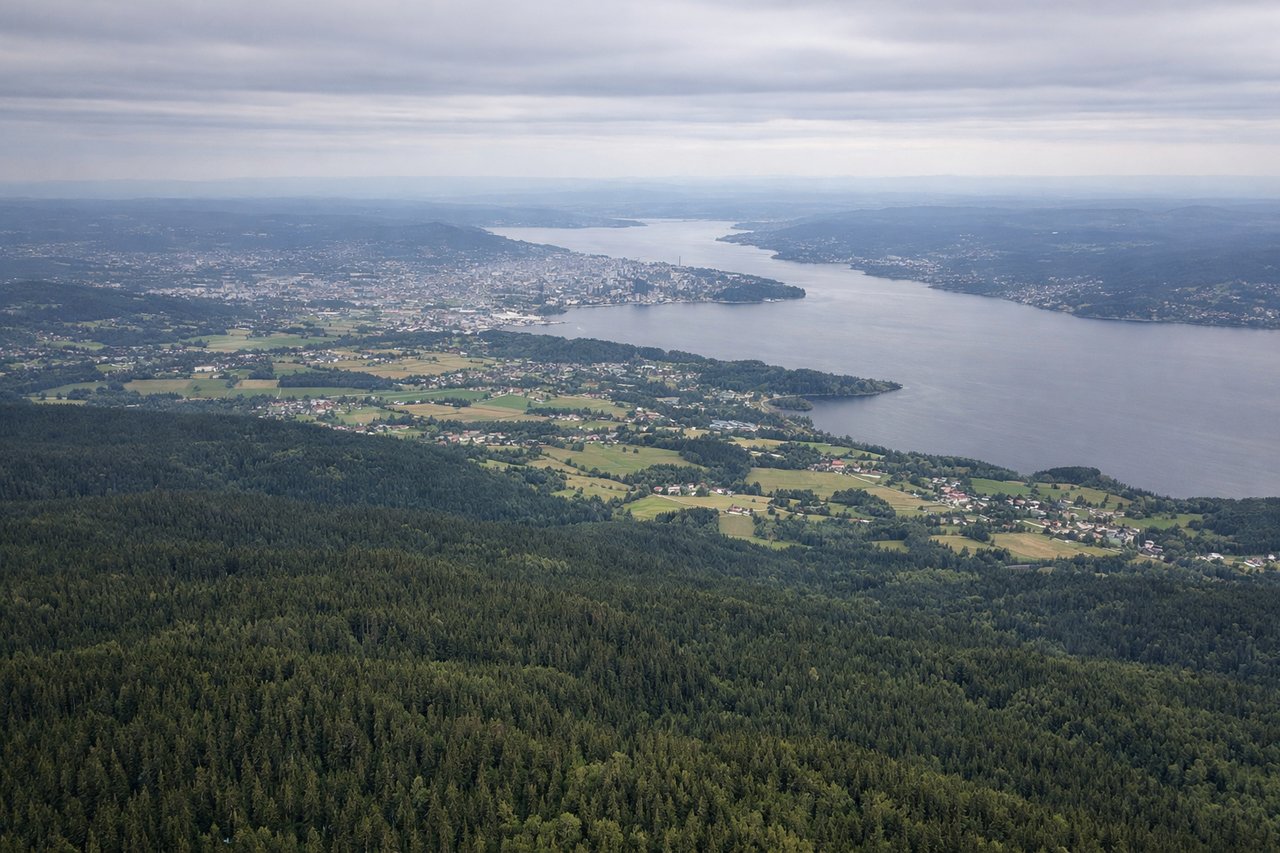
Landing at OSL
LEFTLeft-side seats provide the best views during descent into Oslo. The aircraft approaches from the north, and left windows frame the Oslofjord's eastern shore, the city's waterfront districts, and the forested hills surrounding the capital as the approach path descends toward Gardermoen.
Will your flight be in sunlight?
Pick a date and time in the Sun Map to watch the sun move across your whole flight.
About This Route
Which side of the plane should I sit on flying from Svolvær Airport, Helle (SVJ) to Oslo Gardermoen (OSL)?
Sit on the Left side of the plane for the best views on flights from Svolvær to Oslo. While the takeoff offers exceptional Lofoten scenery on the right, the landing approach provides more sustained and varied views of Norway's populated heartland—the Oslofjord system, capital city, and surrounding forests. Left-side seats capture the more geographically significant portion of the flight's conclusion.
What can I see during takeoff from Svolvær Airport, Helle in Svolvær?
During takeoff from Svolvær Airport, Helle (SVJ), sit on the Right side for the best views. Right-side seats offer views of the Lofoten Islands' dramatic peaks immediately after departure. The aircraft climbs southwestward from Svolvær, and right-side windows capture the jagged Lofoten wall and surrounding fjords as they recede beneath the aircraft. Notable sights include: Lofoten Islands peaks (Reinebringen, Himmeltindan), Vest-Fjorden, Austvågøy island.
What can I see when landing at Oslo Gardermoen in Oslo?
When landing at Oslo Gardermoen (OSL), sit on the Left side for the best views. Left-side seats provide the best views during descent into Oslo. The aircraft approaches from the north, and left windows frame the Oslofjord's eastern shore, the city's waterfront districts, and the forested hills surrounding the capital as the approach path descends toward Gardermoen. Notable sights include: Oslofjord, Oslo city center and harbor, Marka forest belt, Gardermoen plain.
How long is the flight from Svolvær to Oslo?
The flight from Svolvær Airport, Helle (SVJ) to Oslo Gardermoen (OSL) takes about 1 hour 15 minutes. The shortest flight path between them is 566 miles (911 km); winds and air traffic control usually add a few percent.
What does the Svolvær to Oslo flight path pass over?
Trøndelag coastline and fjords (Trondheimsfjord region), Dovre Mountains to the east, transition from coastal Norway to inland valleys, Gudbrandsdalsågen valley system, forested lowlands approaching Oslo region