While takeoff favors the left for Sydney's iconic harbour views, the landing approach into Sapporo on the right side offers more sustained visual interest across the flight's second half. The right side captures Hokkaido's distinctive geography—coastal features, urban layout, and mountain ranges—making it the better overall choice for the full journey.
Flown SYD to CTS? Did we get it right?
Flight Path
Sydney to Sapporo is 5,335 miles (8,585 km), a flight of about 10 hours.
The flight crosses the Tasman Sea and Coral Sea, passing east of the Australian continent. Over the Pacific Ocean, the aircraft will pass north of New Zealand (visible only if significantly south of the direct great-circle route). The flight then crosses open ocean for the majority of the journey. As it approaches Japan, the Izu Islands and Bonin Islands may be visible in clear conditions, followed by the Japanese mainland. The approach to Hokkaido brings views of Honshu's northern coast and the transition into Hokkaido's geography.
Great circle distance and headings ›


Phase by phase

Takeoff from SYD
LEFTLeft side offers views of Sydney Harbour, the Blue Mountains to the west, and the Tasman Sea. The aircraft climbs westward initially, making the left side optimal for seeing the harbour's distinctive geography and the escarpment of the Great Dividing Range.
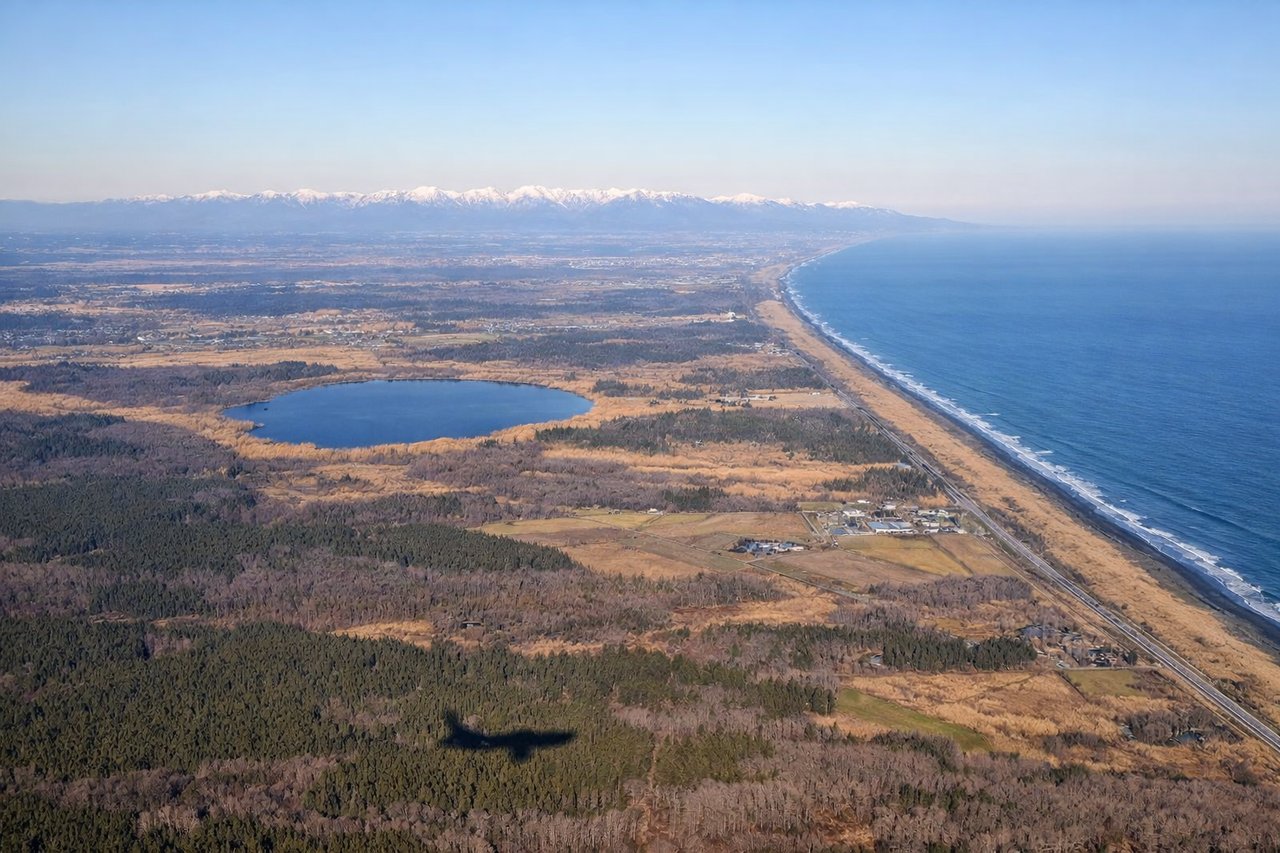
Landing at CTS
RIGHTRight side provides views during descent into Sapporo. The approach typically comes from the south or southeast, and the right side will show Ishikari Bay, the coastal plains, and the urban sprawl of Sapporo itself. Hokkaido's interior mountains are also visible to the right during final approach.
Will your flight be in sunlight?
Pick a date and time in the Sun Map to watch the sun move across your whole flight.
About This Route
Which side of the plane should I sit on flying from Kingsford Smith International Airport (SYD) to Chitose International Airport (CTS)?
Sit on the Right side of the plane for the best views on flights from Sydney to Sapporo. While takeoff favors the left for Sydney's iconic harbour views, the landing approach into Sapporo on the right side offers more sustained visual interest across the flight's second half. The right side captures Hokkaido's distinctive geography—coastal features, urban layout, and mountain ranges—making it the better overall choice for the full journey.
What can I see during takeoff from Kingsford Smith International Airport in Sydney?
During takeoff from Kingsford Smith International Airport (SYD), sit on the Left side for the best views. Left side offers views of Sydney Harbour, the Blue Mountains to the west, and the Tasman Sea. The aircraft climbs westward initially, making the left side optimal for seeing the harbour's distinctive geography and the escarpment of the Great Dividing Range. Notable sights include: Sydney Harbour (with recognizable headlands and bays), Blue Mountains (Great Dividing Range escarpment), Tasman Sea coastline, Parramatta River valley.
What can I see when landing at Chitose International Airport in Sapporo?
When landing at Chitose International Airport (CTS), sit on the Right side for the best views. Right side provides views during descent into Sapporo. The approach typically comes from the south or southeast, and the right side will show Ishikari Bay, the coastal plains, and the urban sprawl of Sapporo itself. Hokkaido's interior mountains are also visible to the right during final approach. Notable sights include: Ishikari Bay (coastal water body), Sapporo urban area and grid layout, Hokkaido interior mountains (Daisetsu range to the east), agricultural plains of central Hokkaido.
How long is the flight from Sydney to Sapporo?
The flight from Kingsford Smith International Airport (SYD) to Chitose International Airport (CTS) takes about 10 hours. The shortest flight path between them is 5,335 miles (8,585 km); winds and air traffic control usually add a few percent.
What does the Sydney to Sapporo flight path pass over?
The flight crosses the Tasman Sea and Coral Sea, passing east of the Australian continent. Over the Pacific Ocean, the aircraft will pass north of New Zealand (visible only if significantly south of the direct great-circle route). The flight then crosses open ocean for the majority of the journey. As it approaches Japan, the Izu Islands and Bonin Islands may be visible in clear conditions, followed by the Japanese mainland. The approach to Hokkaido brings views of Honshu's northern coast and the transition into Hokkaido's geography.